

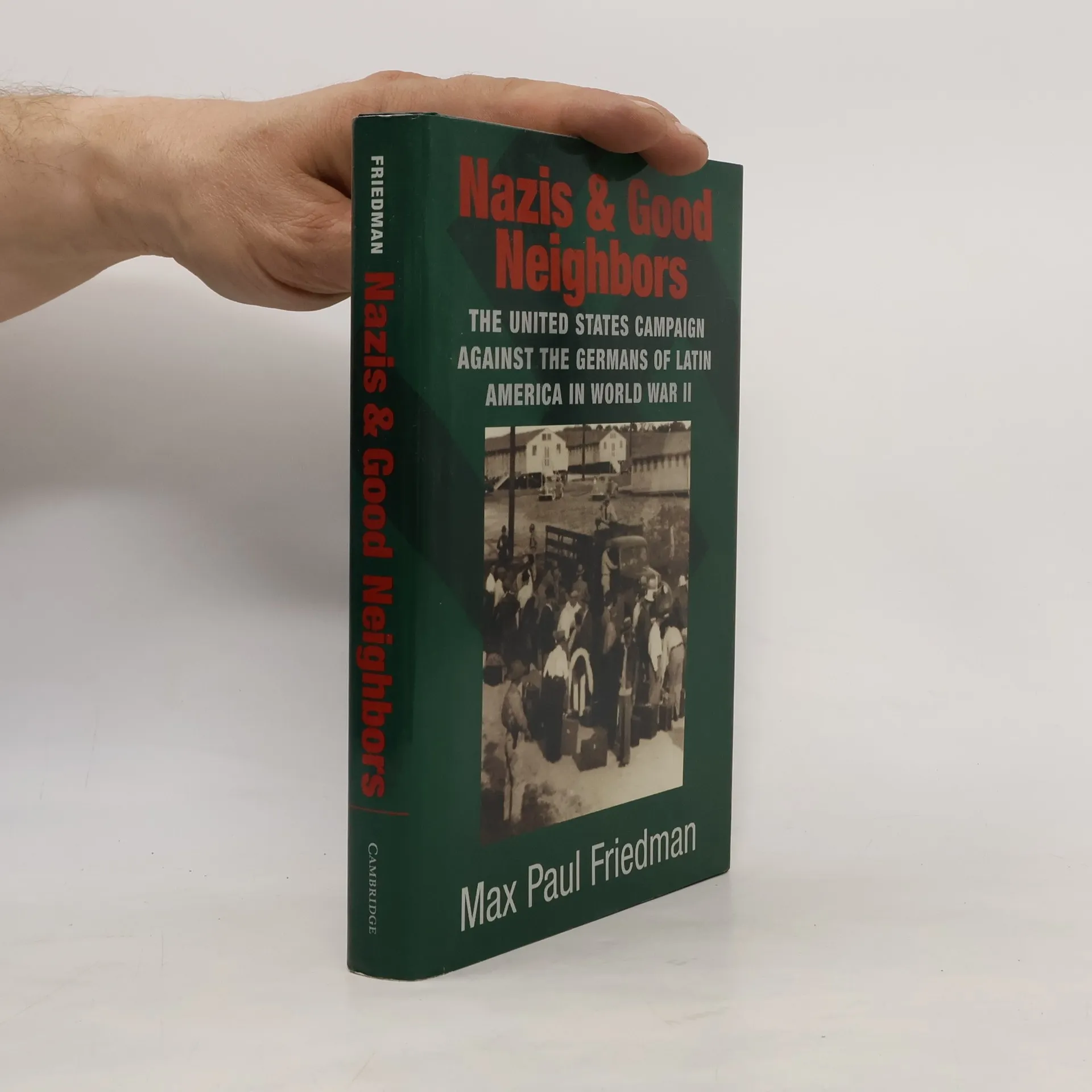
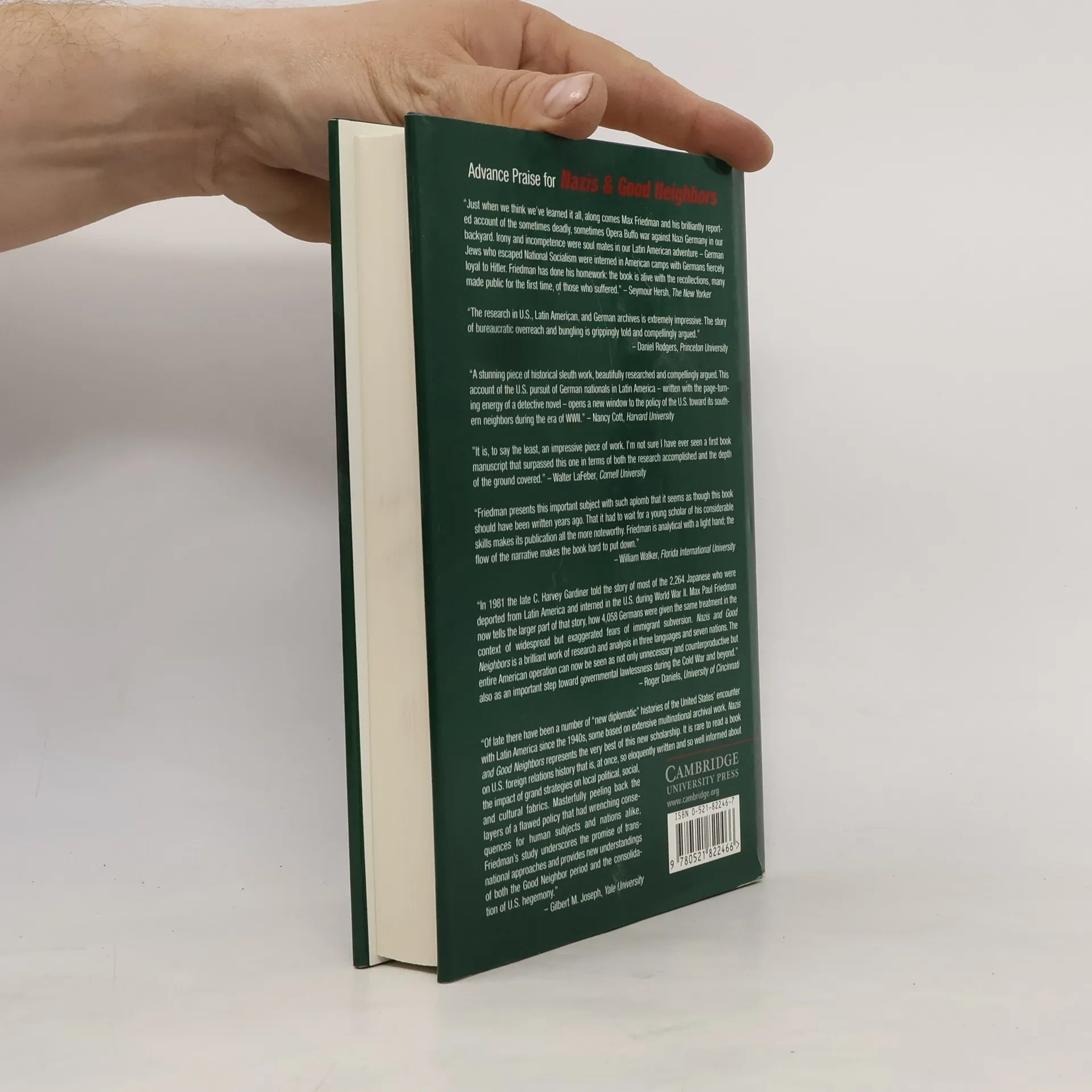
Nazis and Good Neighbors
The United States Campaign Against the Germans of Latin America in World War II
Autores
Valoración del libro
Más información sobre el libro
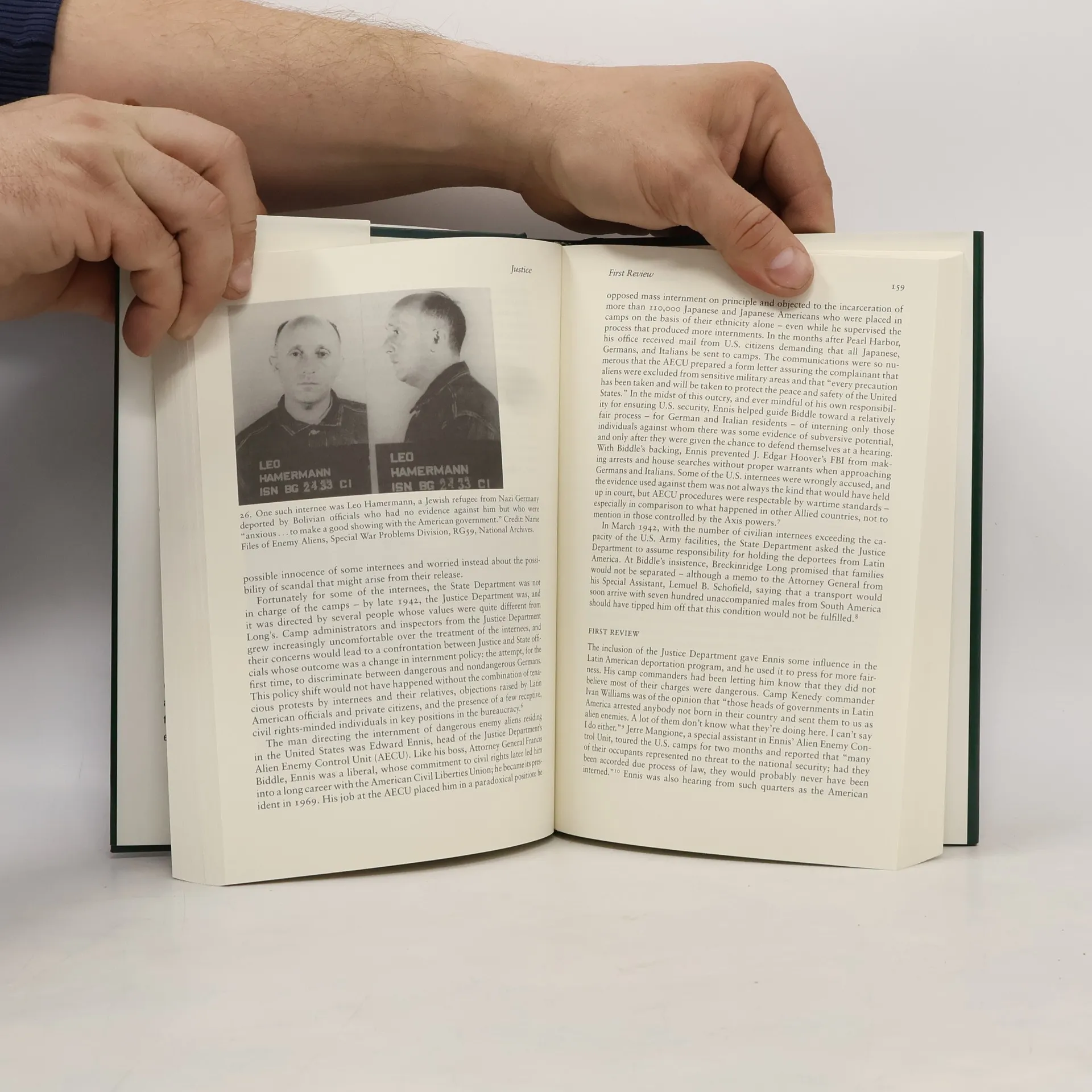
This international history uncovers an American security program in which Washington reached into fifteen Latin American countries to seize more than 4,000 German expatriates and intern them in the Texas desert. The crowd of Nazi Party members, antifascist exiles, and even Jewish refugees were lumped together in camps riven by strife. The book, first published in 2003, examines the evolution of governmental policy, its impact on individuals and emigrant communities, and the ideological assumptions that blinded officials in both Washington and Berlin to Latin American realities. Franklin Roosevelt's vaunted Good Neighbor policy was a victim of this effort to force reluctant Latin American governments to hand over their German residents, while the operation ruined an opportunity to rescue victims of the Holocaust. This study makes a very contemporary argument: that security measures based on group affiliation rather than individual actions are as unjust and ineffective in foreign policy as they are in law enforcement.
Compra de libros
Nazis and Good Neighbors, Max Paul Friedman
- Idioma

- Publicado en
- 2003
- Encuadernación
- (Tapa dura)
Métodos de pago
Nos falta tu reseña aquí
- Título
- Nazis and Good Neighbors
- Subtítulo
- The United States Campaign Against the Germans of Latin America in World War II
- Idioma
- Inglés
- Autores
- Max Paul Friedman
- Editorial
- Cambridge University Press
- Publicado en
- 2003
- Formato
- Tapa dura
- Páginas
- 376
- ISBN10
- 0521822467
- ISBN13
- 9780521822466
- Serie
- Etiquetas
- Tema histórico, Segunda Guerra Mundial, Nazismo, América Latina
- Calificación
- 3,9 de 5
- Descripción
- This international history uncovers an American security program in which Washington reached into fifteen Latin American countries to seize more than 4,000 German expatriates and intern them in the Texas desert. The crowd of Nazi Party members, antifascist exiles, and even Jewish refugees were lumped together in camps riven by strife. The book, first published in 2003, examines the evolution of governmental policy, its impact on individuals and emigrant communities, and the ideological assumptions that blinded officials in both Washington and Berlin to Latin American realities. Franklin Roosevelt's vaunted Good Neighbor policy was a victim of this effort to force reluctant Latin American governments to hand over their German residents, while the operation ruined an opportunity to rescue victims of the Holocaust. This study makes a very contemporary argument: that security measures based on group affiliation rather than individual actions are as unjust and ineffective in foreign policy as they are in law enforcement.