

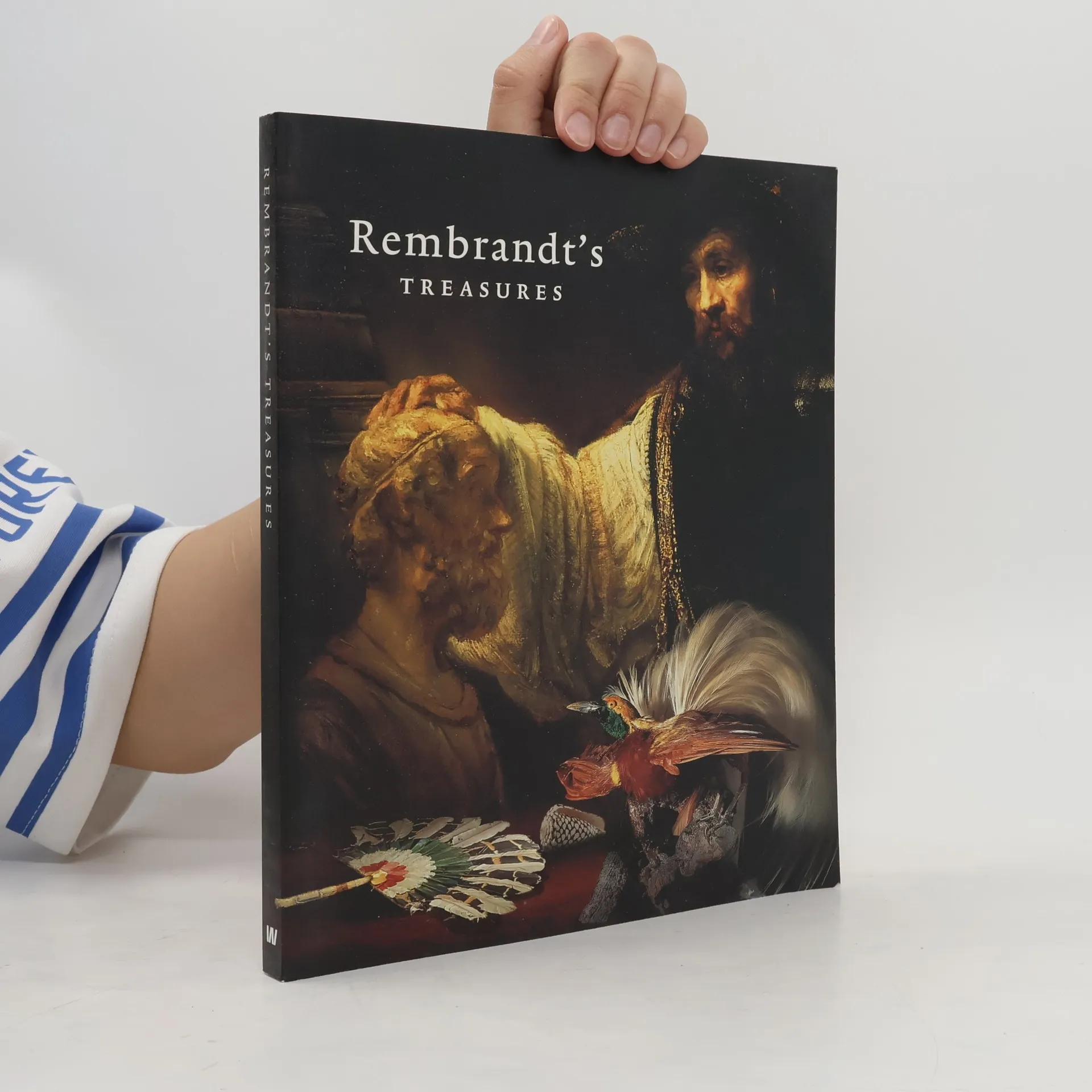
Rembrandt's Treasures
Parámetros
- 159 páginas
- 6 horas de lectura
Más información sobre el libro
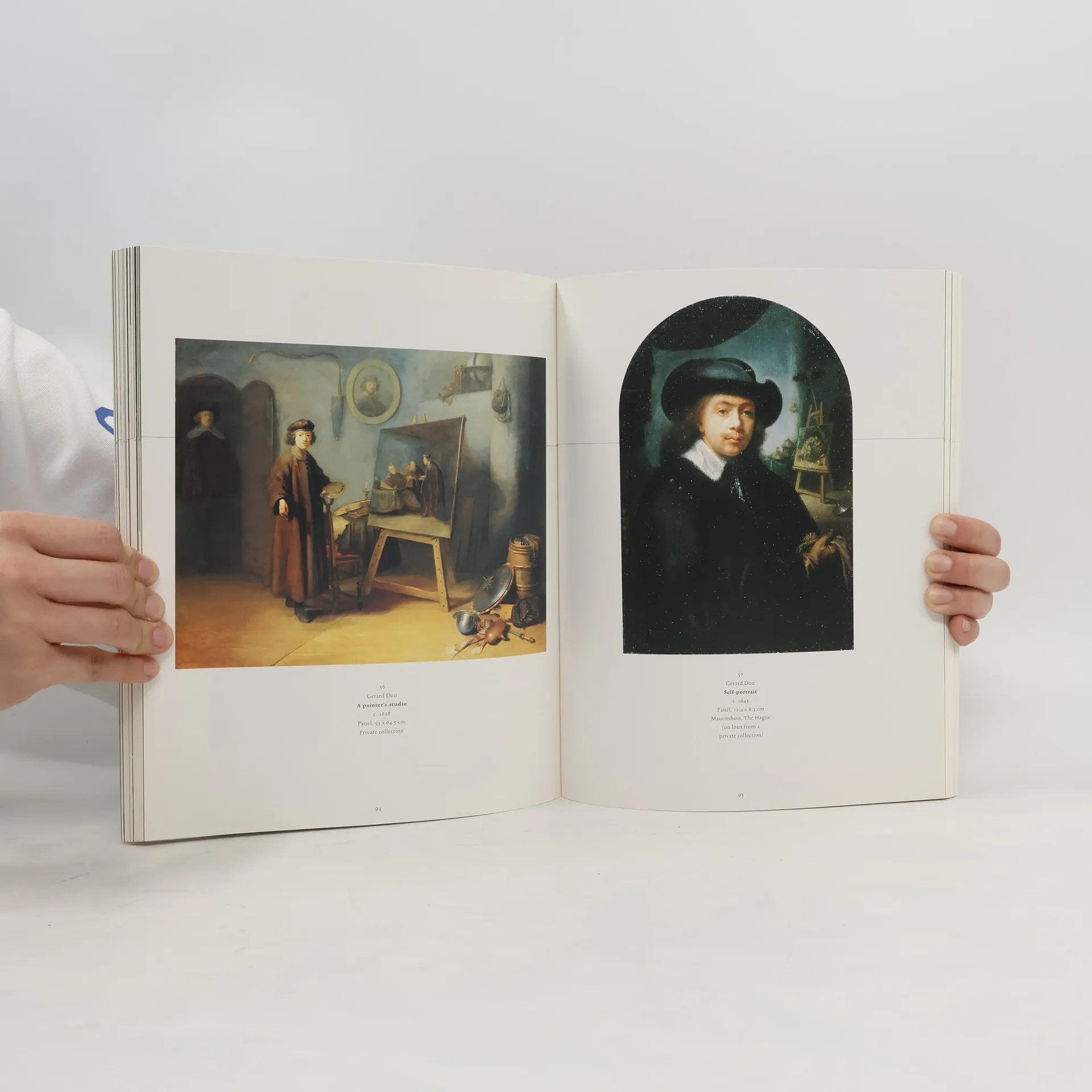
In 1639, Rembrandt paid an enormous sum for a grand, patrician residence in Amsterdam, today's Rembrandthuis. Rembrandt van Rijn was a fanatical he spent thousands of guilders on a unique array of art and curiosities. Eventually, his passion brought him to the brink of financial disaster. By 1656 he was bankrupt and forced to sell his house and his collections. For the auction of his property an inventory was drawn up from which it is now possible to reconstruct his collection and the way he arranged it in his house. In this richly illustrated publication, Rembrandt's activities as a collector are presented to a broad public for the first time. His shop and his parlor were full of paintings, including work by Pieter Lastman, Jan Lievens, Hercules Seghers, and by Rembrandt himself. One room was set apart as a cabinet. It was here that he kept his costly rarities, including curiosities such as stuffed animals, shells, pieces of coral, exotic plants, oriental lacquer and porcelain, Venetian glass, coins and medals, globes, unusual weapons and casts of ancient sculptures. The cabinet also contained Rembrandt's greatest 8,000 drawings and prints by the principal Dutch, German, and Italian masters. Rembrandt's studio contained other parts of his collection. All these objects were a constant source of inspiration for Rembrandt, as his work testifies.
Compra de libros
Rembrandt's Treasures, Bob van den Boogert, Museum Het Rembrandthuis (Amsterdam, Netherlands)
- Idioma

- Publicado en
- 1999
- Encuadernación
- (Tapa blanda)
Métodos de pago
Nadie lo ha calificado todavía.
- Título
- Rembrandt's Treasures
- Idioma
- Inglés
- Editorial
- W Books
- Publicado en
- 1999
- Formato
- Tapa blanda
- Páginas
- 159
- ISBN10
- 9040093814
- ISBN13
- 9789040093814
- Serie
- Etiquetas
- Tema histórico, Arte, Catálogos de exposiciones, Europa Occidental, Países Bajos, Siglo XVII, Ámsterdam, Colecciones artísticas, Rembrandt
- Descripción
- In 1639, Rembrandt paid an enormous sum for a grand, patrician residence in Amsterdam, today's Rembrandthuis. Rembrandt van Rijn was a fanatical he spent thousands of guilders on a unique array of art and curiosities. Eventually, his passion brought him to the brink of financial disaster. By 1656 he was bankrupt and forced to sell his house and his collections. For the auction of his property an inventory was drawn up from which it is now possible to reconstruct his collection and the way he arranged it in his house. In this richly illustrated publication, Rembrandt's activities as a collector are presented to a broad public for the first time. His shop and his parlor were full of paintings, including work by Pieter Lastman, Jan Lievens, Hercules Seghers, and by Rembrandt himself. One room was set apart as a cabinet. It was here that he kept his costly rarities, including curiosities such as stuffed animals, shells, pieces of coral, exotic plants, oriental lacquer and porcelain, Venetian glass, coins and medals, globes, unusual weapons and casts of ancient sculptures. The cabinet also contained Rembrandt's greatest 8,000 drawings and prints by the principal Dutch, German, and Italian masters. Rembrandt's studio contained other parts of his collection. All these objects were a constant source of inspiration for Rembrandt, as his work testifies.