

Más información sobre el libro
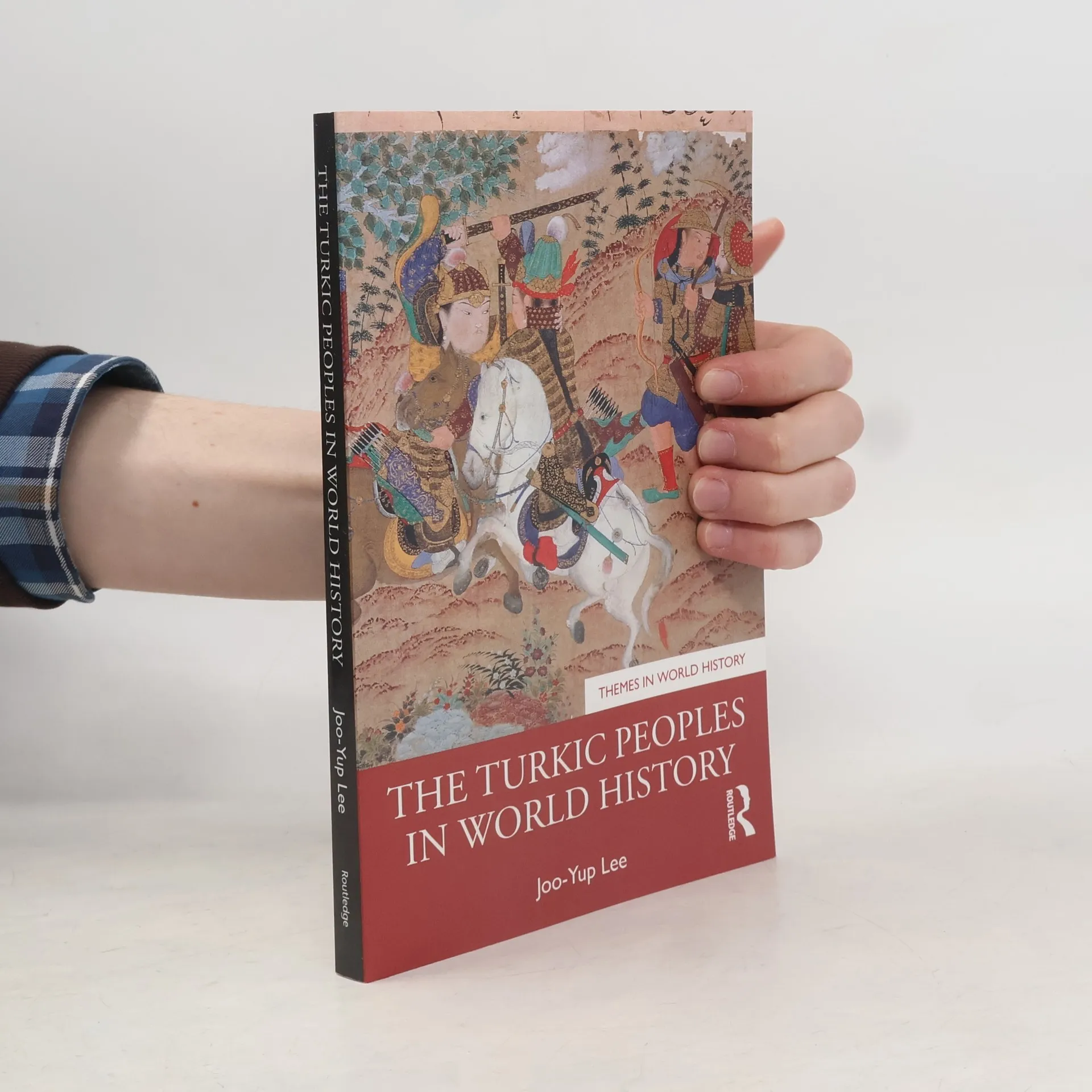
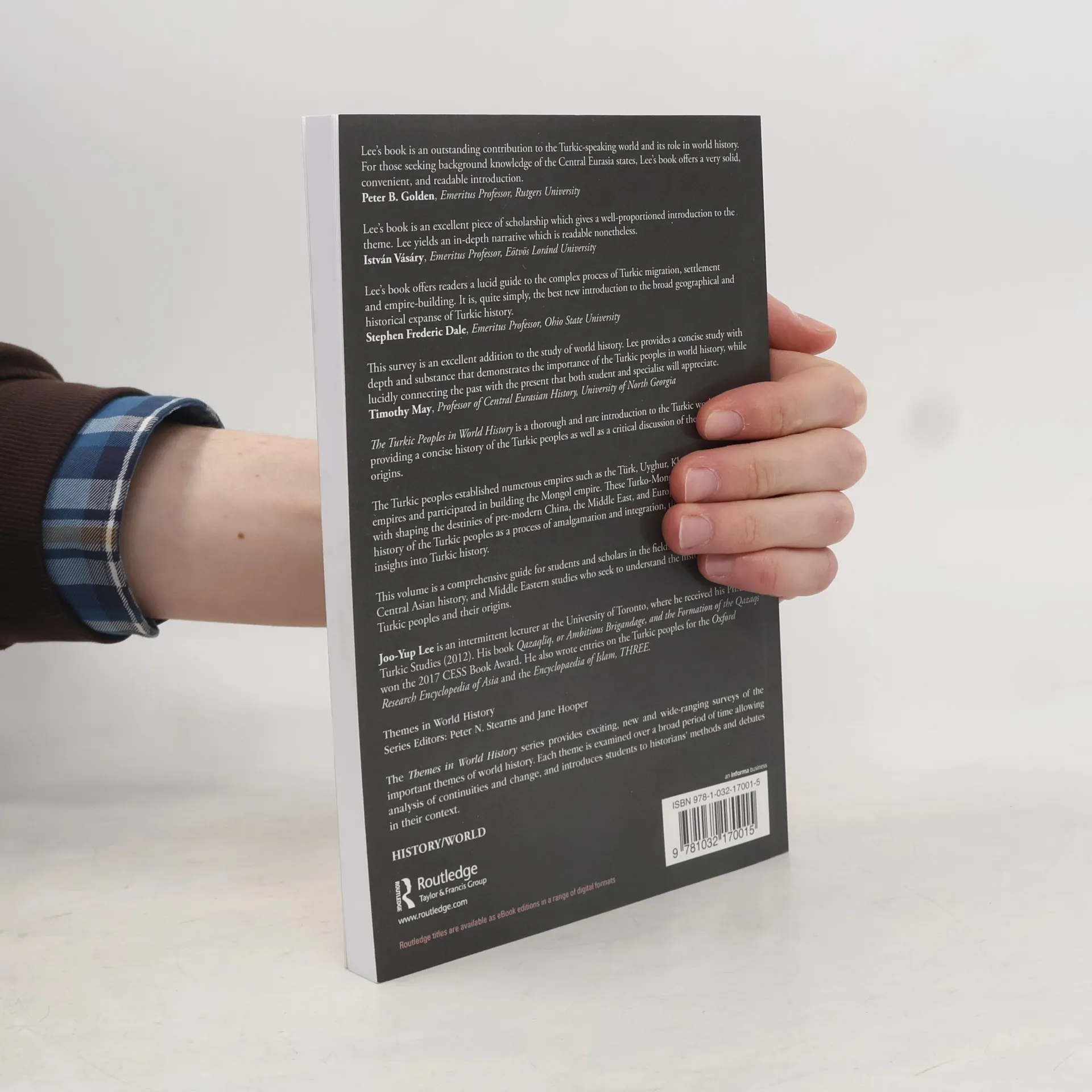
The Turkic Peoples in World History is a thorough and rare introduction to the Turkic world and its role in world history, providing a concise history of the Turkic peoples as well as a critical discussion of their identities and origins. The "Turks" stepped on to the stage of history by establishing the Türk Qaghanate, the first trans-Eurasian empire in history, in 552 CE. In the following millennium, they went on to create empires that had a profound impact on world history such as the Uyghur, Khazar, and Ottoman empires. They also participated in building the Mongol empire, and these Turko-Mongol empires are credited with shaping the destinies of pre-modern China, the Middle East, and Europe. By treating the history of the Turkic peoples as a process of amalgamation and integration, rather than simply categorizing the Turkic peoples chronologically or geographically, this book offers new insights into Turkic history. This volume is a comprehensive guide for students and scholars in the fields of world history, Central Asian history, and Middle Eastern studies who are seeking to understand the historical roles of Turkic peoples and their origins.
Compra de libros
The Turkic Peoples in World History, Joo-Yup Lee
- Idioma

- Publicado en
- 2023
- Encuadernación
- (Tapa blanda)
Métodos de pago
Nos falta tu reseña aquí
- Título
- The Turkic Peoples in World History
- Idioma
- Inglés
- Autores
- Joo-Yup Lee
- Editorial
- Routledge
- Publicado en
- 2023
- Formato
- Tapa blanda
- Páginas
- 206
- ISBN10
- 1032170018
- ISBN13
- 9781032170015
- Serie
- Etiquetas
- Tema histórico, Historia Cultural
- Calificación
- 3,15 de 5
- Descripción
- The Turkic Peoples in World History is a thorough and rare introduction to the Turkic world and its role in world history, providing a concise history of the Turkic peoples as well as a critical discussion of their identities and origins. The "Turks" stepped on to the stage of history by establishing the Türk Qaghanate, the first trans-Eurasian empire in history, in 552 CE. In the following millennium, they went on to create empires that had a profound impact on world history such as the Uyghur, Khazar, and Ottoman empires. They also participated in building the Mongol empire, and these Turko-Mongol empires are credited with shaping the destinies of pre-modern China, the Middle East, and Europe. By treating the history of the Turkic peoples as a process of amalgamation and integration, rather than simply categorizing the Turkic peoples chronologically or geographically, this book offers new insights into Turkic history. This volume is a comprehensive guide for students and scholars in the fields of world history, Central Asian history, and Middle Eastern studies who are seeking to understand the historical roles of Turkic peoples and their origins.