

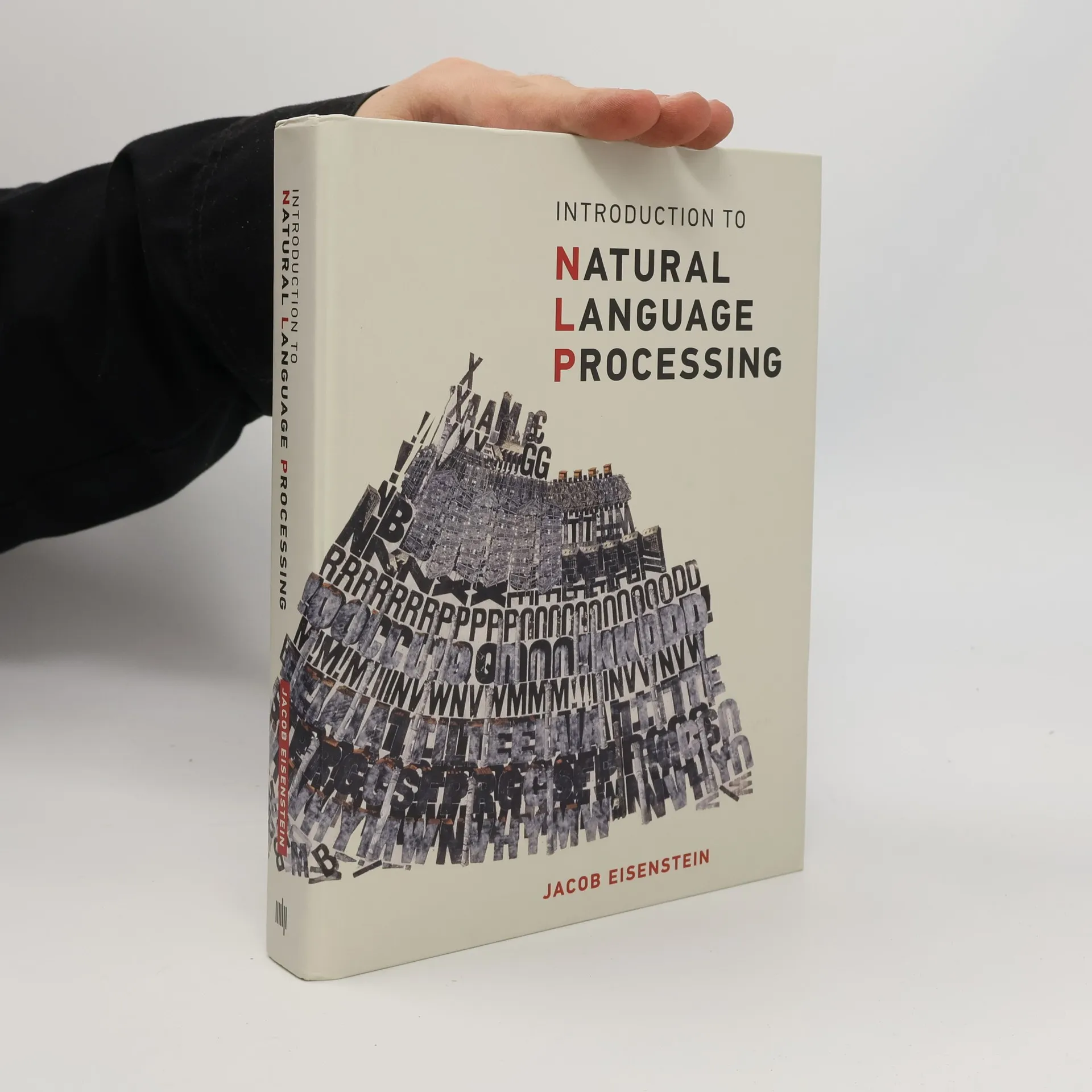
Parámetros
- 536 páginas
- 19 horas de lectura
Más información sobre el libro
This textbook surveys computational methods for understanding, generating, and manipulating human language, combining classical representations and algorithms with modern machine learning techniques. It provides a technical perspective on natural language processing, emphasizing data-driven approaches through supervised and unsupervised machine learning. The first section lays a foundation in machine learning, equipping readers with tools for word-based textual analysis. The second section covers structured representations of language, including sequences, trees, and graphs. The third section delves into linguistic meaning representation and analysis, exploring formal logic and neural word embeddings. The final section presents in-depth treatments of three key applications: information extraction, machine translation, and text generation. End-of-chapter exercises encourage both theoretical analysis and software implementation. The text synthesizes a wide range of research, connecting contemporary machine learning techniques with linguistic and computational foundations. It is suitable for advanced undergraduate and graduate courses, as well as a reference for software engineers and data scientists. Readers should have a background in computer programming and college-level mathematics. Mastery of the material will enable students to build and analyze novel natural language processing systems and comprehend the latest research i
Compra de libros
Introduction to Natural Language Processing, Jacob Eisenstein
- Idioma

- Publicado en
- 2019
- Encuadernación
- (Tapa dura)
Métodos de pago
Nadie lo ha calificado todavía.
- Título
- Introduction to Natural Language Processing
- Idioma
- Inglés
- Autores
- Jacob Eisenstein
- Editorial
- MIT Press
- Publicado en
- 2019
- Formato
- Tapa dura
- Páginas
- 536
- ISBN10
- 0262042843
- ISBN13
- 9780262042840
- Serie
- Categorías
- Etiquetas
- Inteligencia Artificial
- Descripción
- This textbook surveys computational methods for understanding, generating, and manipulating human language, combining classical representations and algorithms with modern machine learning techniques. It provides a technical perspective on natural language processing, emphasizing data-driven approaches through supervised and unsupervised machine learning. The first section lays a foundation in machine learning, equipping readers with tools for word-based textual analysis. The second section covers structured representations of language, including sequences, trees, and graphs. The third section delves into linguistic meaning representation and analysis, exploring formal logic and neural word embeddings. The final section presents in-depth treatments of three key applications: information extraction, machine translation, and text generation. End-of-chapter exercises encourage both theoretical analysis and software implementation. The text synthesizes a wide range of research, connecting contemporary machine learning techniques with linguistic and computational foundations. It is suitable for advanced undergraduate and graduate courses, as well as a reference for software engineers and data scientists. Readers should have a background in computer programming and college-level mathematics. Mastery of the material will enable students to build and analyze novel natural language processing systems and comprehend the latest research i