

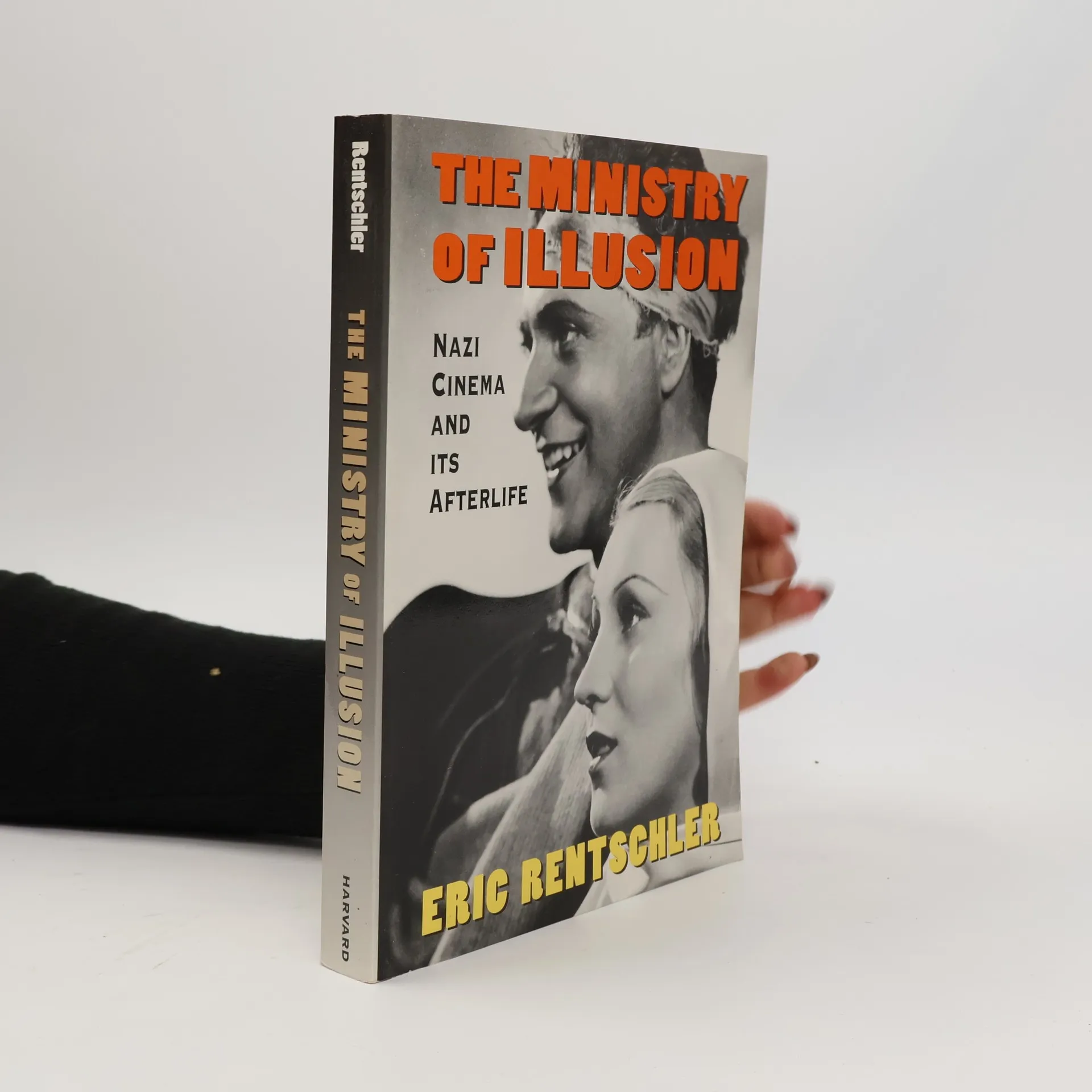


The Ministry of Illusion
Nazi Cinema and Its Afterlife
Autores
Más información sobre el libro
German cinema during the Third Reich elicits strong reactions even decades after Hitler's fall. Director Wim Wenders notes the unprecedented abuse of images and language in this context, where over a thousand feature films serve as reminders of film history's darkest period. Eric Rentschler contends that the cinema of this era emerged from a "Ministry of Illusion," rather than a "Ministry of Fear." While films like Hitler Youth Quex and the anti-Semitic Jew Süss are labeled "Nazi propaganda," they represent only a small fraction of the era's output. Most films were seemingly "unpolitical," consisting of melodramas, biopics, and light-hearted entertainment set in familiar urban settings, often devoid of overt Nazi symbols or slogans. Rentschler illustrates how Joseph Goebbels, the Minister of Propaganda, sought to harness film's allure to mask party agendas in captivating narratives. Hitler and Goebbels, as master showmen, transformed the Third Reich into a grand spectacle, with the Second World War resembling an ongoing cinematic production. Rentschler's exploration of this sophisticated media culture reveals the potent and destructive influence of fascination and fantasy, highlighting that Nazi feature films—both from the regime and those that continue to attract attention today—demonstrate that entertainment often transcends mere innocent pleasure.
Compra de libros
The Ministry of Illusion, Eric Rentschler
- Idioma

- Publicado en
- 1996
- Encuadernación
- (Tapa blanda)
Métodos de pago
Nadie lo ha calificado todavía.
- Título
- The Ministry of Illusion
- Subtítulo
- Nazi Cinema and Its Afterlife
- Idioma
- Inglés
- Autores
- Eric Rentschler
- Editorial
- Harvard University Press
- Publicado en
- 1996
- Formato
- Tapa blanda
- Páginas
- 480
- ISBN10
- 0674576403
- ISBN13
- 9780674576407
- Serie
- Categorías
- Etiquetas
- Descripción
- German cinema during the Third Reich elicits strong reactions even decades after Hitler's fall. Director Wim Wenders notes the unprecedented abuse of images and language in this context, where over a thousand feature films serve as reminders of film history's darkest period. Eric Rentschler contends that the cinema of this era emerged from a "Ministry of Illusion," rather than a "Ministry of Fear." While films like Hitler Youth Quex and the anti-Semitic Jew Süss are labeled "Nazi propaganda," they represent only a small fraction of the era's output. Most films were seemingly "unpolitical," consisting of melodramas, biopics, and light-hearted entertainment set in familiar urban settings, often devoid of overt Nazi symbols or slogans. Rentschler illustrates how Joseph Goebbels, the Minister of Propaganda, sought to harness film's allure to mask party agendas in captivating narratives. Hitler and Goebbels, as master showmen, transformed the Third Reich into a grand spectacle, with the Second World War resembling an ongoing cinematic production. Rentschler's exploration of this sophisticated media culture reveals the potent and destructive influence of fascination and fantasy, highlighting that Nazi feature films—both from the regime and those that continue to attract attention today—demonstrate that entertainment often transcends mere innocent pleasure.