

Más información sobre el libro
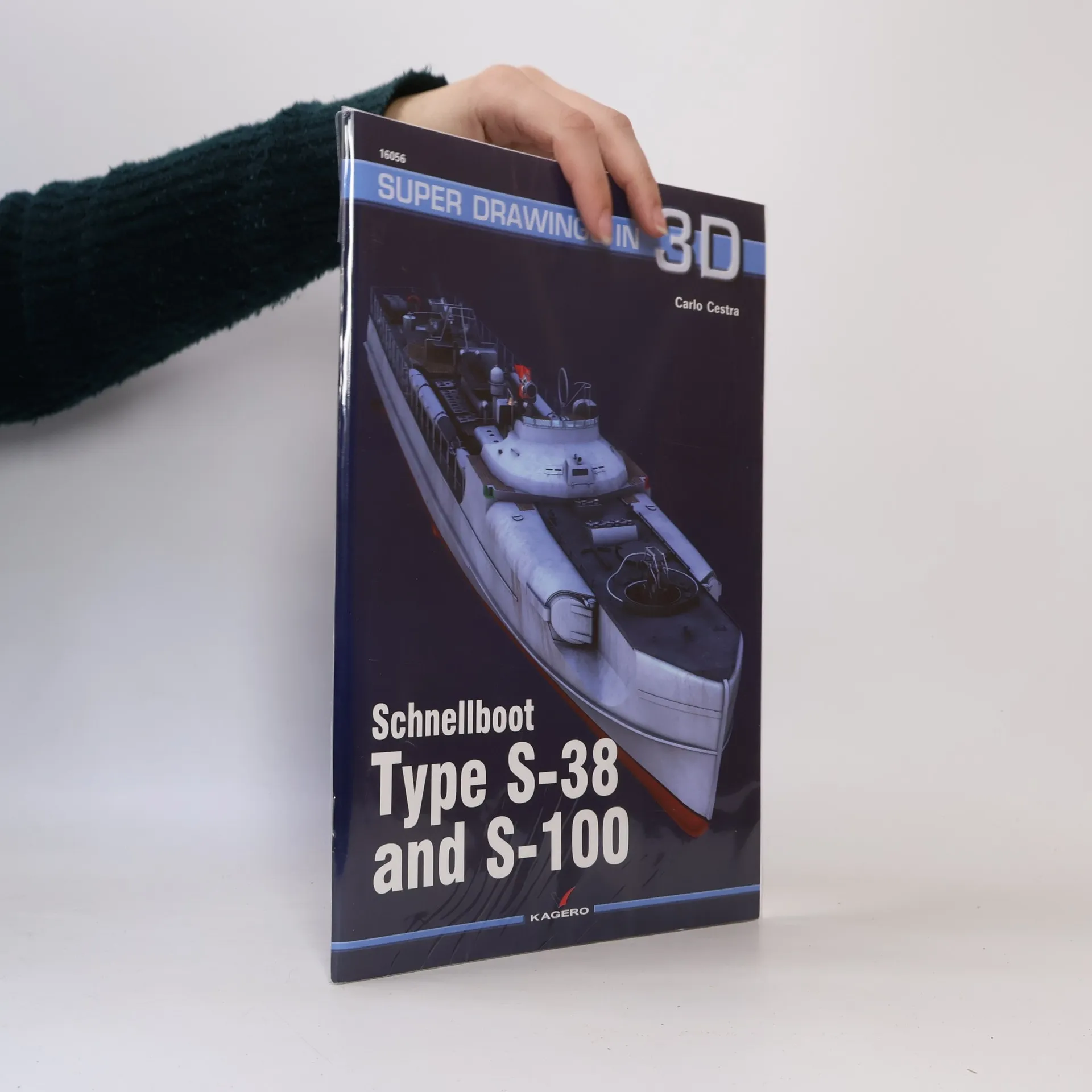
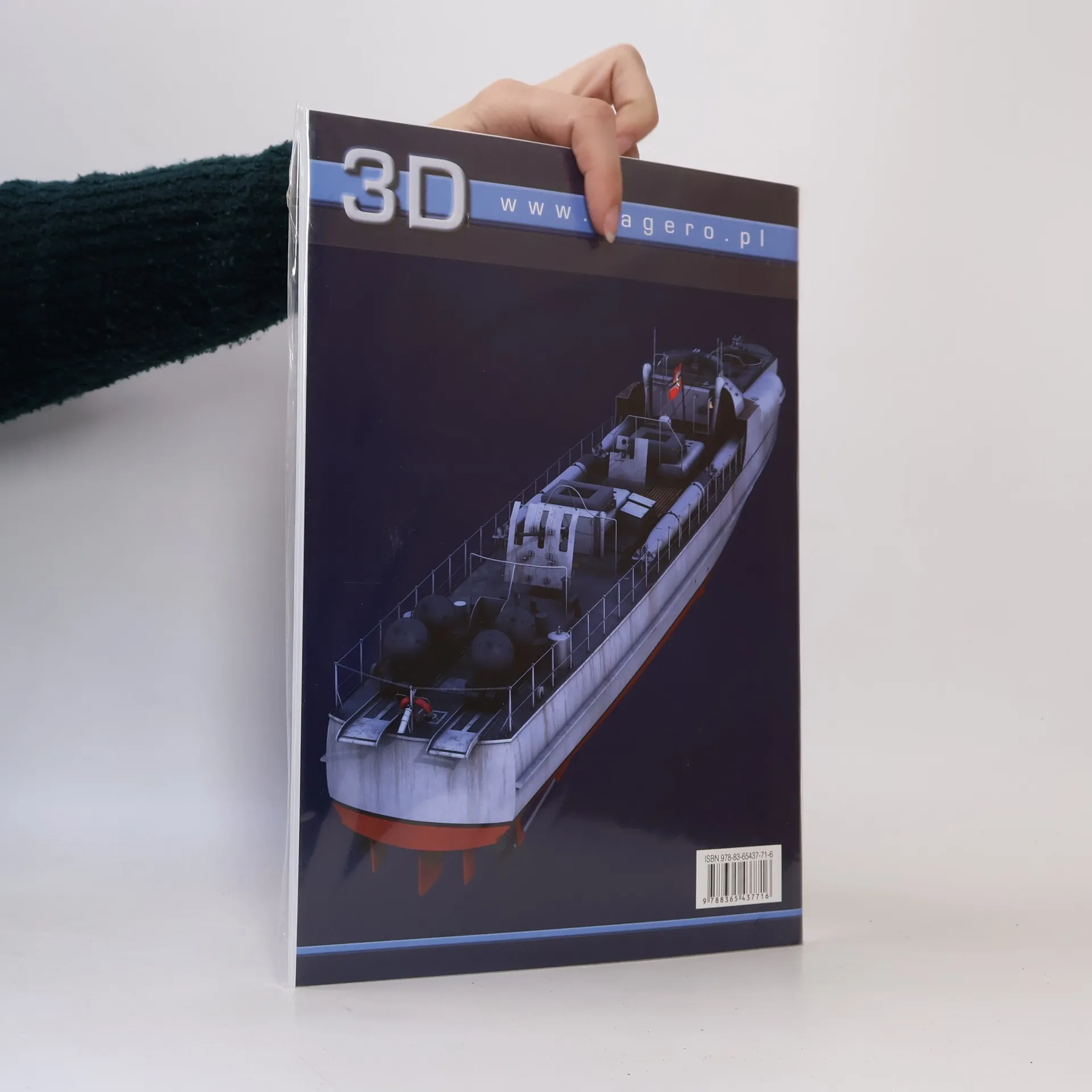
S38b and S100 E-boats class were German fast attack craft (Schnellboot in German) built for the Kriegsmarine during World War Two. The E-boats (a British designation using the letter E for Enemy) were defined by many naval experts as the best carrying out of their category. Initially these units were called Unterseebot Zerstörer (Hunting Submarine) and Anti-Submmarine Motorboats or Armored Motorboats, as they had an important anti-submarine mission. Later the Kaiserliche Marine (imperial german navy) adopted the designation of Luftschiffmotorenboot (boat with an airship engine) or L-Boote and, therefore, from November 1917, the units became LM-Boote, with the same meaning, but their use, especially in the Baltic Sea and the North Sea, was not particularly successful.
Compra de libros
Super Drawings In 3D - 16056: Schnellboot Type S-38 and S-100, Carlo Cestra
- Idioma

- Publicado en
- 2018
- Encuadernación
- (Tapa blanda)
Métodos de pago
Nadie lo ha calificado todavía.
- Título
- Super Drawings In 3D - 16056: Schnellboot Type S-38 and S-100
- Idioma
- Inglés
- Autores
- Carlo Cestra
- Publicado en
- 2018
- Formato
- Tapa blanda
- Páginas
- 90
- ISBN10
- 8365437716
- ISBN13
- 9788365437716
- Serie
- Etiquetas
- Tema histórico, EE.UU.
- Descripción
- S38b and S100 E-boats class were German fast attack craft (Schnellboot in German) built for the Kriegsmarine during World War Two. The E-boats (a British designation using the letter E for Enemy) were defined by many naval experts as the best carrying out of their category. Initially these units were called Unterseebot Zerstörer (Hunting Submarine) and Anti-Submmarine Motorboats or Armored Motorboats, as they had an important anti-submarine mission. Later the Kaiserliche Marine (imperial german navy) adopted the designation of Luftschiffmotorenboot (boat with an airship engine) or L-Boote and, therefore, from November 1917, the units became LM-Boote, with the same meaning, but their use, especially in the Baltic Sea and the North Sea, was not particularly successful.