

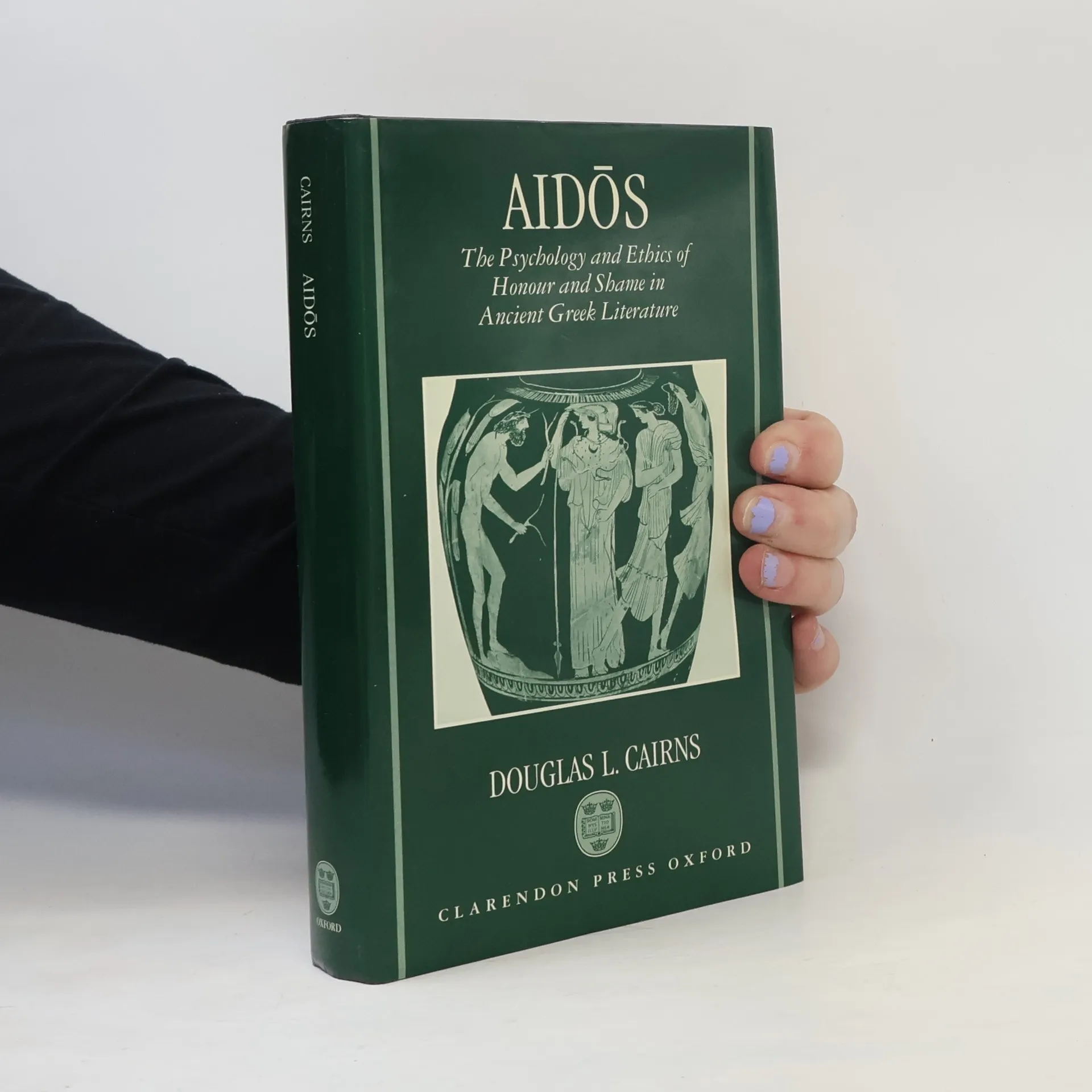


Aidos
The Psychology and Ethics of Honour and Shame in Ancient Greek Literature
Autores
Más información sobre el libro
This is the first study in English to examine one of the most crucial terms in Greek ethical and social discourse, aidos , within a wide range of Greek literature. Commonly rendered "shame," "modesty," or "respect," aidos is one of the most elusive and difficult Greek words to translate. Dr. Cairns discusses the nature and application of aidos and other relevant terms in a number of authors; with particular emphasis on their manifestations in epic, tragedy, and philosophy. He shows that the essence of the concept is to be found in its relationship with Greek values of honor, in which context it can recognize and respond to the honor of both the self and others. It thus involves both self- and other- regarding behavior, competitive and cooperative values.
Compra de libros
Aidos, Douglas L. Cairns
- Idioma

- Publicado en
- 1993
- Encuadernación
- (Tapa dura)
Métodos de pago
Nadie lo ha calificado todavía.
- Título
- Aidos
- Subtítulo
- The Psychology and Ethics of Honour and Shame in Ancient Greek Literature
- Idioma
- Inglés
- Autores
- Douglas L. Cairns
- Editorial
- Clarendon Press
- Publicado en
- 1993
- Formato
- Tapa dura
- Páginas
- 490
- ISBN10
- 0198146841
- ISBN13
- 9780198146841
- Serie
- Categorías
- Etiquetas
- Tema histórico, Temas psicológicos, Ética
- Descripción
- This is the first study in English to examine one of the most crucial terms in Greek ethical and social discourse, aidos , within a wide range of Greek literature. Commonly rendered "shame," "modesty," or "respect," aidos is one of the most elusive and difficult Greek words to translate. Dr. Cairns discusses the nature and application of aidos and other relevant terms in a number of authors; with particular emphasis on their manifestations in epic, tragedy, and philosophy. He shows that the essence of the concept is to be found in its relationship with Greek values of honor, in which context it can recognize and respond to the honor of both the self and others. It thus involves both self- and other- regarding behavior, competitive and cooperative values.