

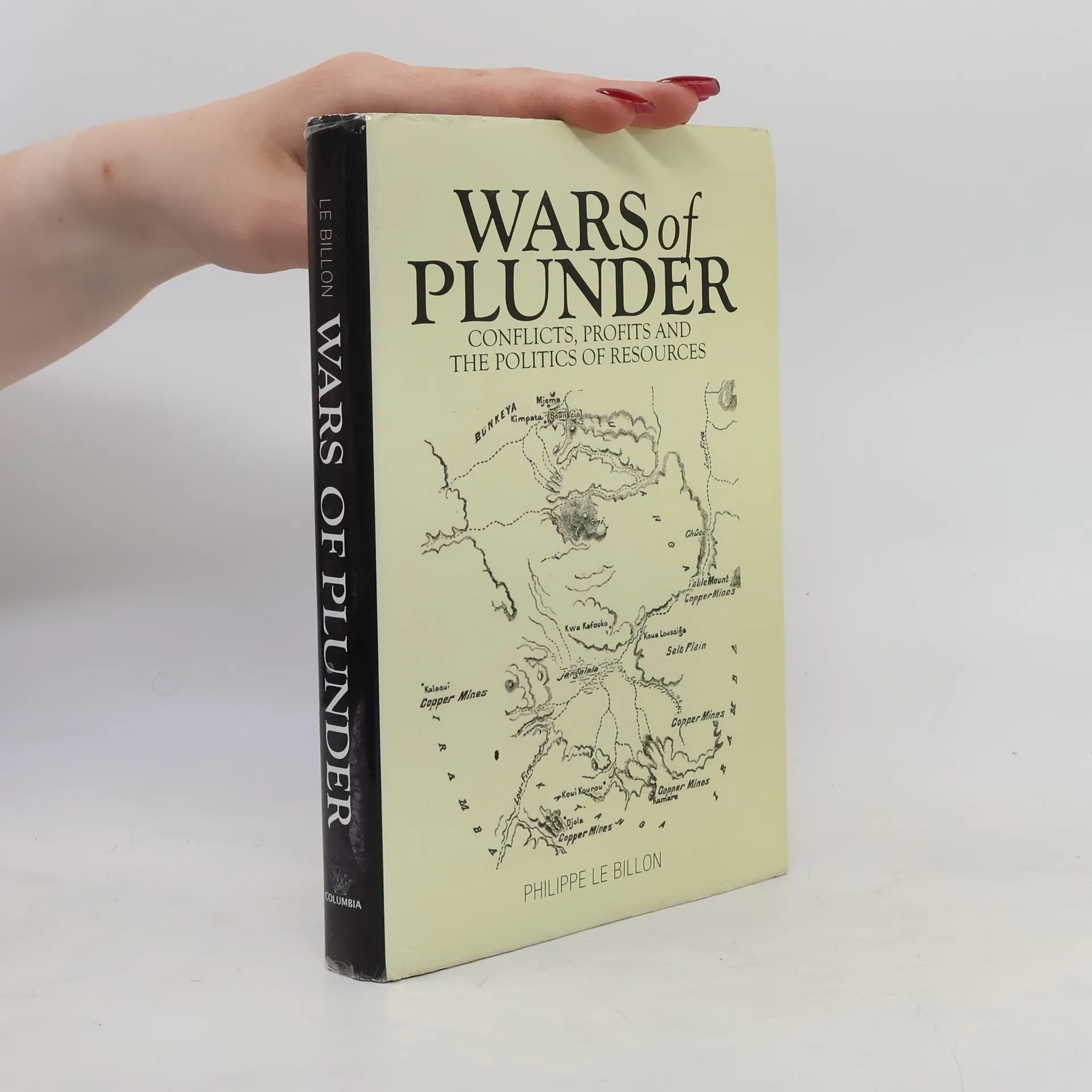
Wars of Plunder
Conflicts, Profits and the Politics of Resources
Autores
Parámetros
- 240 páginas
- 9 horas de lectura
Más información sobre el libro
From Angola and Iraq to Liberia and the Democratic Republic of Congo, resource-rich countries with high incidences of poverty are prone to devastating outbreaks of war. The character of these conflicts is highly idiosyncratic, and the response of the international community is fascinatingly complex. Philippe Le Billon traces the specific burden of owning the world's most precious resources and the effect of resource politics on the development of war. He also takes a frank look at the international context surrounding such conflicts and its possible underlying motives. Le Billon focuses on three key resources----oil, diamonds, and timber----and the circumstances that link their abundance to war. He discusses the role of resource revenue in financing belligerent forces, a trend that has grown more conspicuous with the withdrawal of Cold War foreign sponsorship. While the War on Terror has altered the terms of military assistance and the nature of war's internationalization, many belligerent actors continue to rely on the profits of conflict resources to survive. Le Billon also examines the exploitation of resources and its creation of unrest.
Compra de libros
Wars of Plunder, Philippe Le Billon
- Idioma

- Publicado en
- 2012
- Encuadernación
- (Tapa dura)
Métodos de pago
Nadie lo ha calificado todavía.
- Título
- Wars of Plunder
- Subtítulo
- Conflicts, Profits and the Politics of Resources
- Idioma
- Inglés
- Autores
- Philippe Le Billon
- Editorial
- Columbia University Press
- Publicado en
- 2012
- Formato
- Tapa dura
- Páginas
- 240
- ISBN10
- 023170268X
- ISBN13
- 9780231702683
- Serie
- Etiquetas
- Tema histórico, Política, EE.UU., Guerras, Recursos Naturales, Aspectos políticos
- Descripción
- From Angola and Iraq to Liberia and the Democratic Republic of Congo, resource-rich countries with high incidences of poverty are prone to devastating outbreaks of war. The character of these conflicts is highly idiosyncratic, and the response of the international community is fascinatingly complex. Philippe Le Billon traces the specific burden of owning the world's most precious resources and the effect of resource politics on the development of war. He also takes a frank look at the international context surrounding such conflicts and its possible underlying motives. Le Billon focuses on three key resources----oil, diamonds, and timber----and the circumstances that link their abundance to war. He discusses the role of resource revenue in financing belligerent forces, a trend that has grown more conspicuous with the withdrawal of Cold War foreign sponsorship. While the War on Terror has altered the terms of military assistance and the nature of war's internationalization, many belligerent actors continue to rely on the profits of conflict resources to survive. Le Billon also examines the exploitation of resources and its creation of unrest.