

Más información sobre el libro
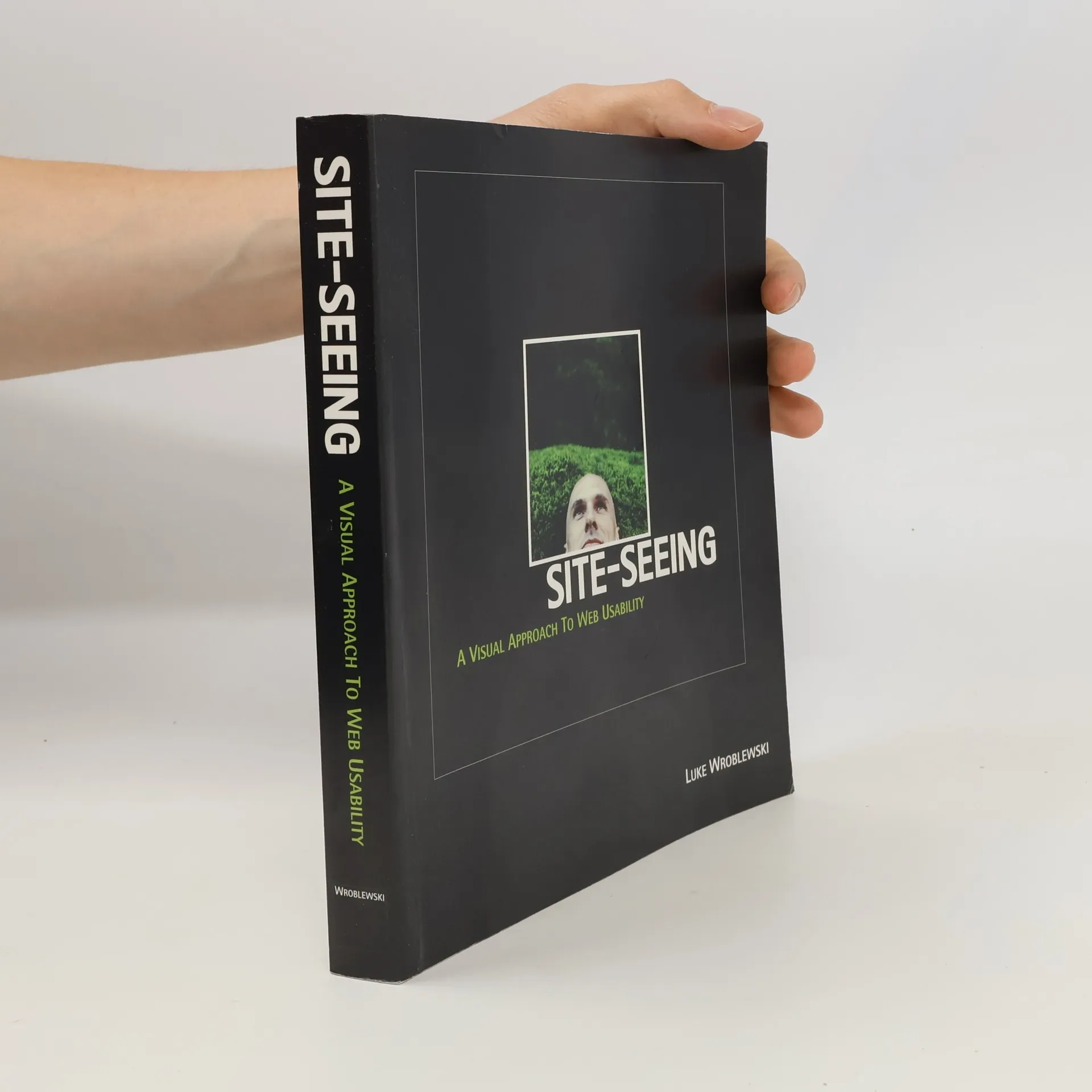
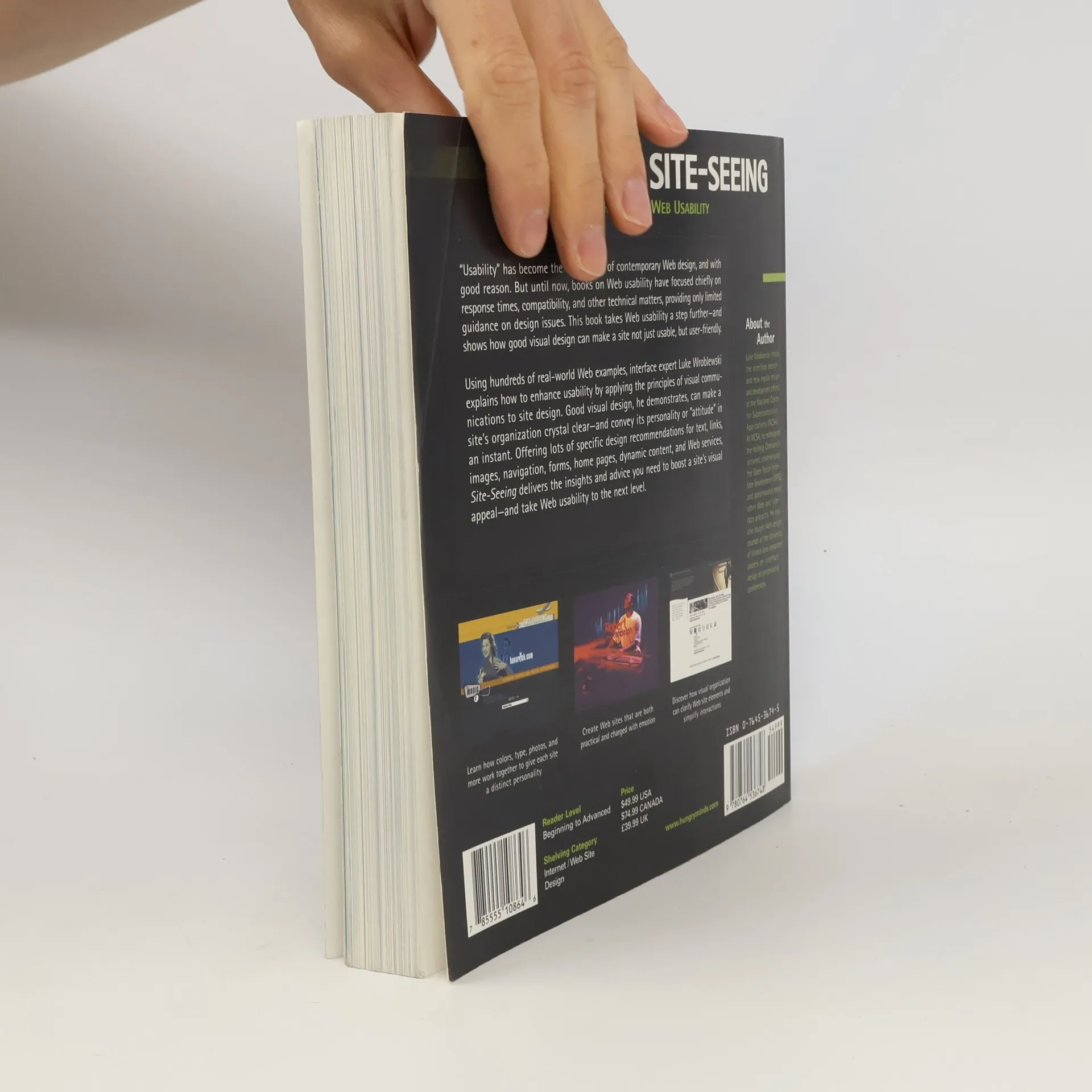
Web usability has often been discussed in terms of technical issues, particularly during the dot-com era, with experts warning against pitfalls like frames and excessive images. They emphasize editing out unnecessary words and adopting a non-linear writing style, which is certainly valuable advice. However, the significance of visual presentation on Web pages is less frequently addressed. The Web primarily communicates visually, with the appearance of a page indicating what information is available, how to navigate it, and its potential interest, all of which evoke instinctive emotional responses that shape the user experience. Thus, usability is fundamentally a communication issue, and effective sites are those that convey information swiftly and clearly. This work offers a novel perspective on Web usability by integrating visual communication principles into Web design. Readers will explore essential concepts such as visual organization, aesthetics, technical factors, and strategic planning based on audience awareness. Through a variety of full-color examples, the author examines the strengths and weaknesses of Web design. The visual aspects of a site do more than enhance its beauty; they organize information functionally, establish distinct personalities, and create emotional connections, ultimately engaging the audience and encouraging return visits.
Compra de libros
Site-Seeing, Luke Wroblewski
- Idioma

- Publicado en
- 2002
- Encuadernación
- (Tapa blanda),
- Estado del libro
- Bueno
- Precio
- 1,99 €
Métodos de pago
Nadie lo ha calificado todavía.
- Título
- Site-Seeing
- Subtítulo
- A Visual Approach to Web Usability
- Idioma
- Inglés
- Autores
- Luke Wroblewski
- Editorial
- John Wiley & Sons Inc
- Publicado en
- 2002
- Formato
- Tapa blanda
- Páginas
- 368
- ISBN10
- 0764536745
- ISBN13
- 9780764536748
- Serie
- Etiquetas
- Guías y Manuales, Internet, Desarrollo web
- Descripción
- Web usability has often been discussed in terms of technical issues, particularly during the dot-com era, with experts warning against pitfalls like frames and excessive images. They emphasize editing out unnecessary words and adopting a non-linear writing style, which is certainly valuable advice. However, the significance of visual presentation on Web pages is less frequently addressed. The Web primarily communicates visually, with the appearance of a page indicating what information is available, how to navigate it, and its potential interest, all of which evoke instinctive emotional responses that shape the user experience. Thus, usability is fundamentally a communication issue, and effective sites are those that convey information swiftly and clearly. This work offers a novel perspective on Web usability by integrating visual communication principles into Web design. Readers will explore essential concepts such as visual organization, aesthetics, technical factors, and strategic planning based on audience awareness. Through a variety of full-color examples, the author examines the strengths and weaknesses of Web design. The visual aspects of a site do more than enhance its beauty; they organize information functionally, establish distinct personalities, and create emotional connections, ultimately engaging the audience and encouraging return visits.