

Parámetros
- 368 páginas
- 13 horas de lectura
Más información sobre el libro
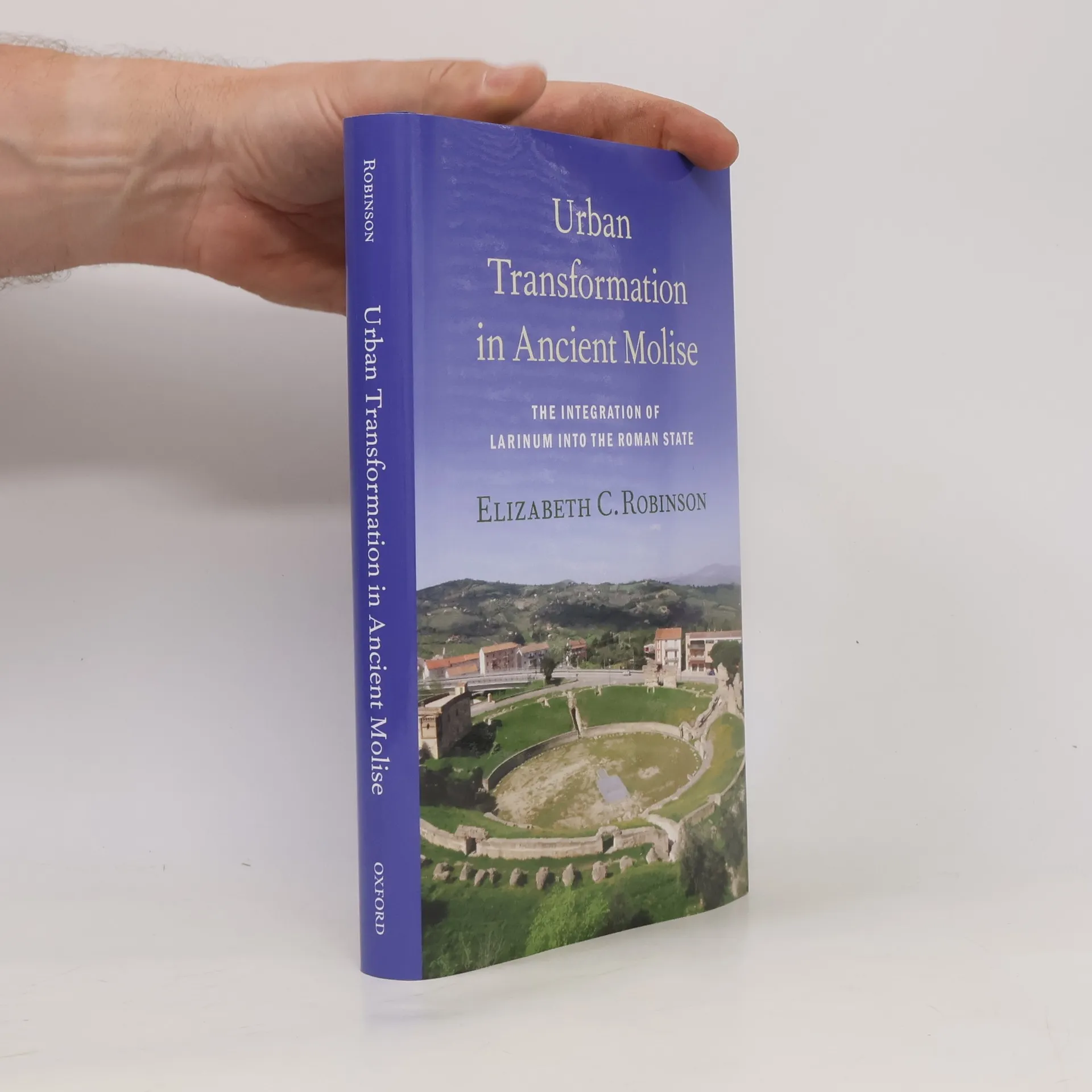
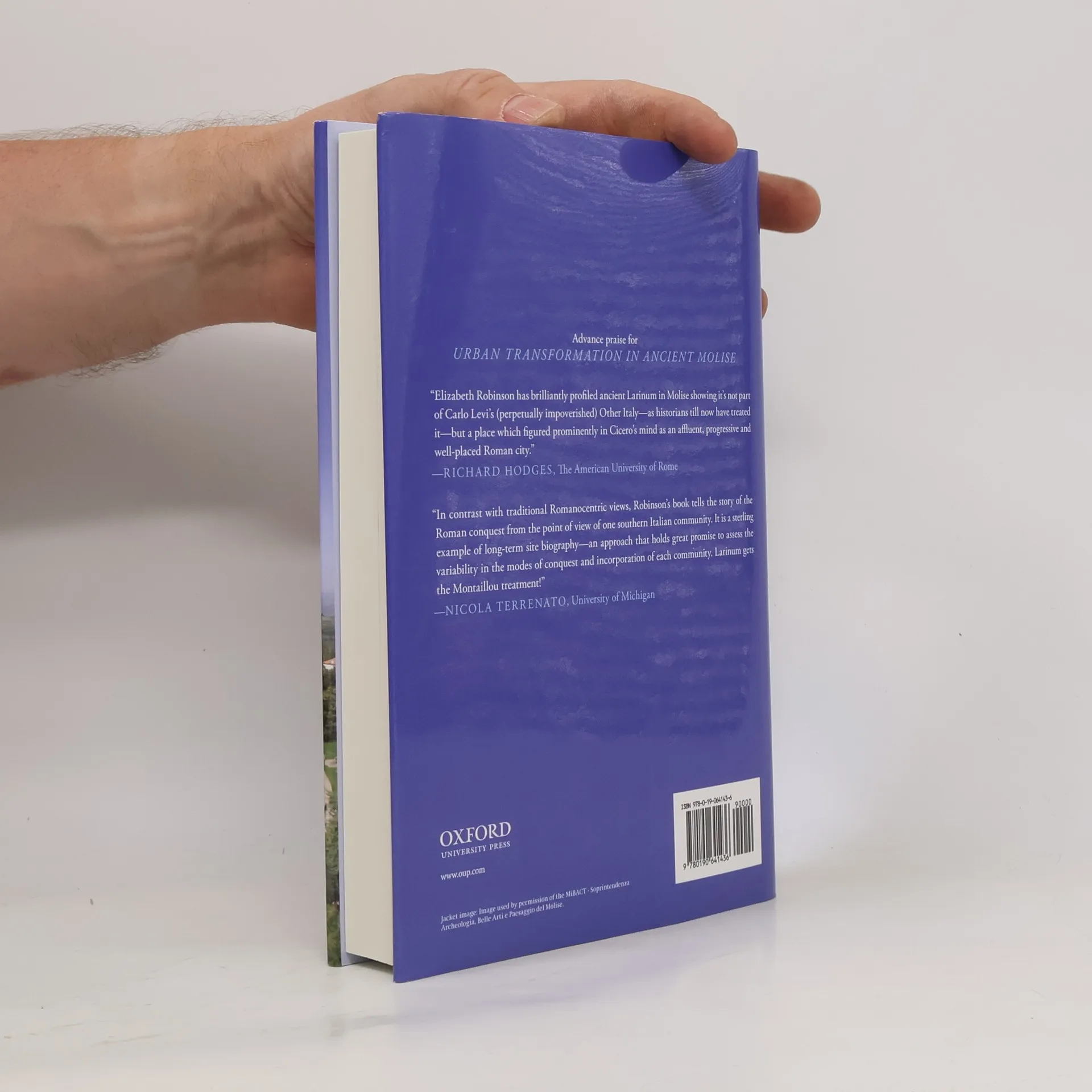
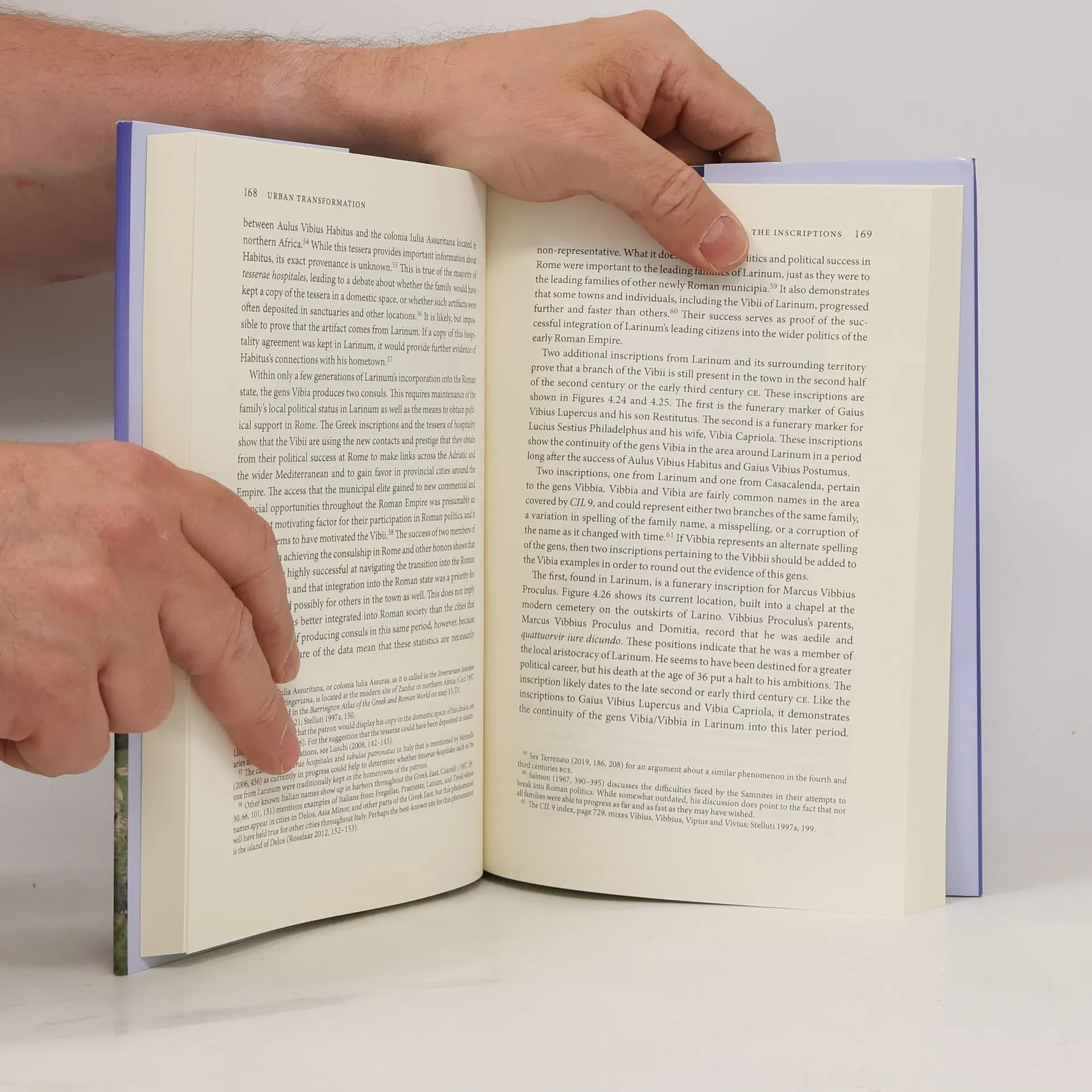
Larinum, a pre-Roman town in the modern region of Molise, underwent a unique transition from independence to municipal status when it received Roman citizenship in the 80s BCE shortly after the Social War. Its trajectory during this period illuminates complex processes of cultural, social, and political change associated with the Roman conquest throughout the Italian peninsula in the first millennium BCE. This book uses all the available evidence to create a site biography of Larinum from 400 BCE to 100 CE, with a focus on the urban transformation that occurred there during the Roman conquest. This study is distinctive in utilizing many different types of evidence: literary sources (including the pro Cluentio ), settlement patterns, inscriptions, monuments and artifacts. It highlights the importance of local isolated variability in studies of Roman conquest, and provides a narrative that supplements larger works on this theme.
Compra de libros
Urban Transformation in Ancient Molise, Elizabeth C. Robinson
- Idioma

- Publicado en
- 2021
- Encuadernación
- (Tapa dura)
Métodos de pago
Nadie lo ha calificado todavía.
- Título
- Urban Transformation in Ancient Molise
- Subtítulo
- The Integration of Larinum into the Roman State
- Idioma
- Inglés
- Autores
- Elizabeth C. Robinson
- Editorial
- Oxford University Press
- Publicado en
- 2021
- Formato
- Tapa dura
- Páginas
- 368
- ISBN10
- 0190641436
- ISBN13
- 9780190641436
- Serie
- Categorías
- Etiquetas
- Tema histórico, Arte, Política, Historia del arte, Antigüedad, Teorías Políticas, Arqueología, Derecho Civil
- Descripción
- Larinum, a pre-Roman town in the modern region of Molise, underwent a unique transition from independence to municipal status when it received Roman citizenship in the 80s BCE shortly after the Social War. Its trajectory during this period illuminates complex processes of cultural, social, and political change associated with the Roman conquest throughout the Italian peninsula in the first millennium BCE. This book uses all the available evidence to create a site biography of Larinum from 400 BCE to 100 CE, with a focus on the urban transformation that occurred there during the Roman conquest. This study is distinctive in utilizing many different types of evidence: literary sources (including the pro Cluentio ), settlement patterns, inscriptions, monuments and artifacts. It highlights the importance of local isolated variability in studies of Roman conquest, and provides a narrative that supplements larger works on this theme.