




Parámetros
- 312 páginas
- 11 horas de lectura
Más información sobre el libro
The stars held significant importance in Rome, serving as symbols of a universe founded on "intelligent design," rather than merely functioning as a time-reckoning device. Their literary presence reflects a divine plan in the cosmos, a concept that gained traction from Plato's era. In the Roman context, the connection between divine and human governance is evident, particularly in the emperors' anticipated celestial afterlife. Aratus' Phaenomena, a didactic poem composed around 270 BC, elegantly describes the heavens and their influence on human lives, making it an ideal text for expressing these relationships. Despite its modest size and obscure subject, the poem's impact on literature from the late Roman Republic to the age of Christian humanism was substantial. It was translated into Latin numerous times from the first century BC through the Renaissance, extending its influence beyond its genre. The exploration of Aratus' popularity reveals that the Phaenomena effectively integrates astronomical data into abstract cosmology, a hallmark of the Western tradition. This book examines the poem's textual interactions from its inception to the sixteenth century, including its dialogue with Copernicus. It highlights the dynamic nature of the text, which engaged with ongoing debates about the stars' role in the world, ultimately situating Aratus' work within its cultural contexts and establishing a foundation for further research.
Compra de libros
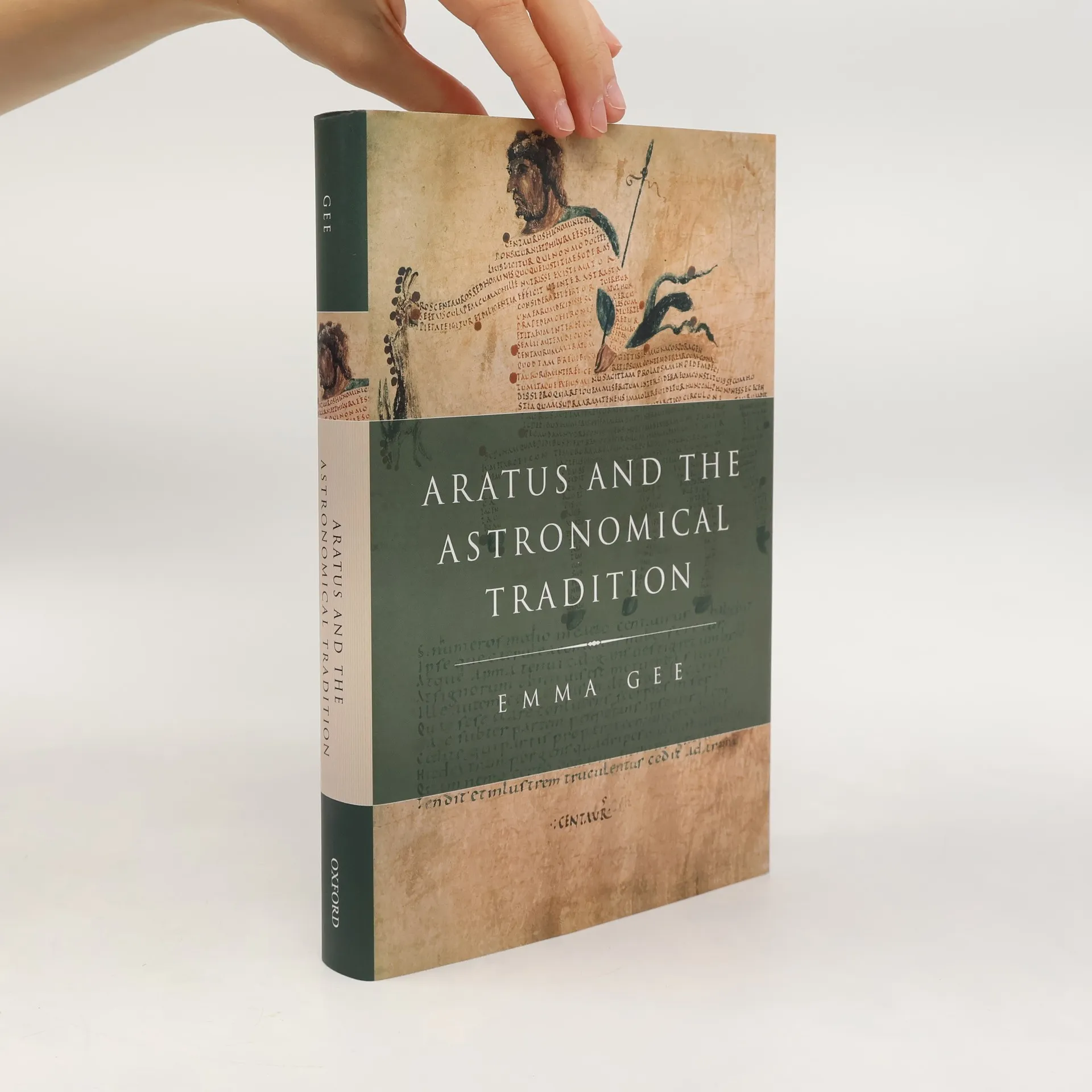
Classical Culture and Society: Aratus and the Astronomical Tradition, Emma Gee
- Idioma

- Publicado en
- 2013
- Encuadernación
- (Tapa dura)
Métodos de pago
Nadie lo ha calificado todavía.
- Título
- Classical Culture and Society: Aratus and the Astronomical Tradition
- Idioma
- Inglés
- Autores
- Emma Gee
- Editorial
- Oxford University Press
- Publicado en
- 2013
- Formato
- Tapa dura
- Páginas
- 312
- ISBN10
- 0199781680
- ISBN13
- 9780199781683
- Serie
- Etiquetas
- Tema histórico, Temática filosófica, Ciencia, EE.UU., Antigüedad, Crítica literaria, Europa Occidental, Historia de la Ciencia
- Descripción
- The stars held significant importance in Rome, serving as symbols of a universe founded on "intelligent design," rather than merely functioning as a time-reckoning device. Their literary presence reflects a divine plan in the cosmos, a concept that gained traction from Plato's era. In the Roman context, the connection between divine and human governance is evident, particularly in the emperors' anticipated celestial afterlife. Aratus' Phaenomena, a didactic poem composed around 270 BC, elegantly describes the heavens and their influence on human lives, making it an ideal text for expressing these relationships. Despite its modest size and obscure subject, the poem's impact on literature from the late Roman Republic to the age of Christian humanism was substantial. It was translated into Latin numerous times from the first century BC through the Renaissance, extending its influence beyond its genre. The exploration of Aratus' popularity reveals that the Phaenomena effectively integrates astronomical data into abstract cosmology, a hallmark of the Western tradition. This book examines the poem's textual interactions from its inception to the sixteenth century, including its dialogue with Copernicus. It highlights the dynamic nature of the text, which engaged with ongoing debates about the stars' role in the world, ultimately situating Aratus' work within its cultural contexts and establishing a foundation for further research.