


Parámetros
- 300 páginas
- 11 horas de lectura
Más información sobre el libro
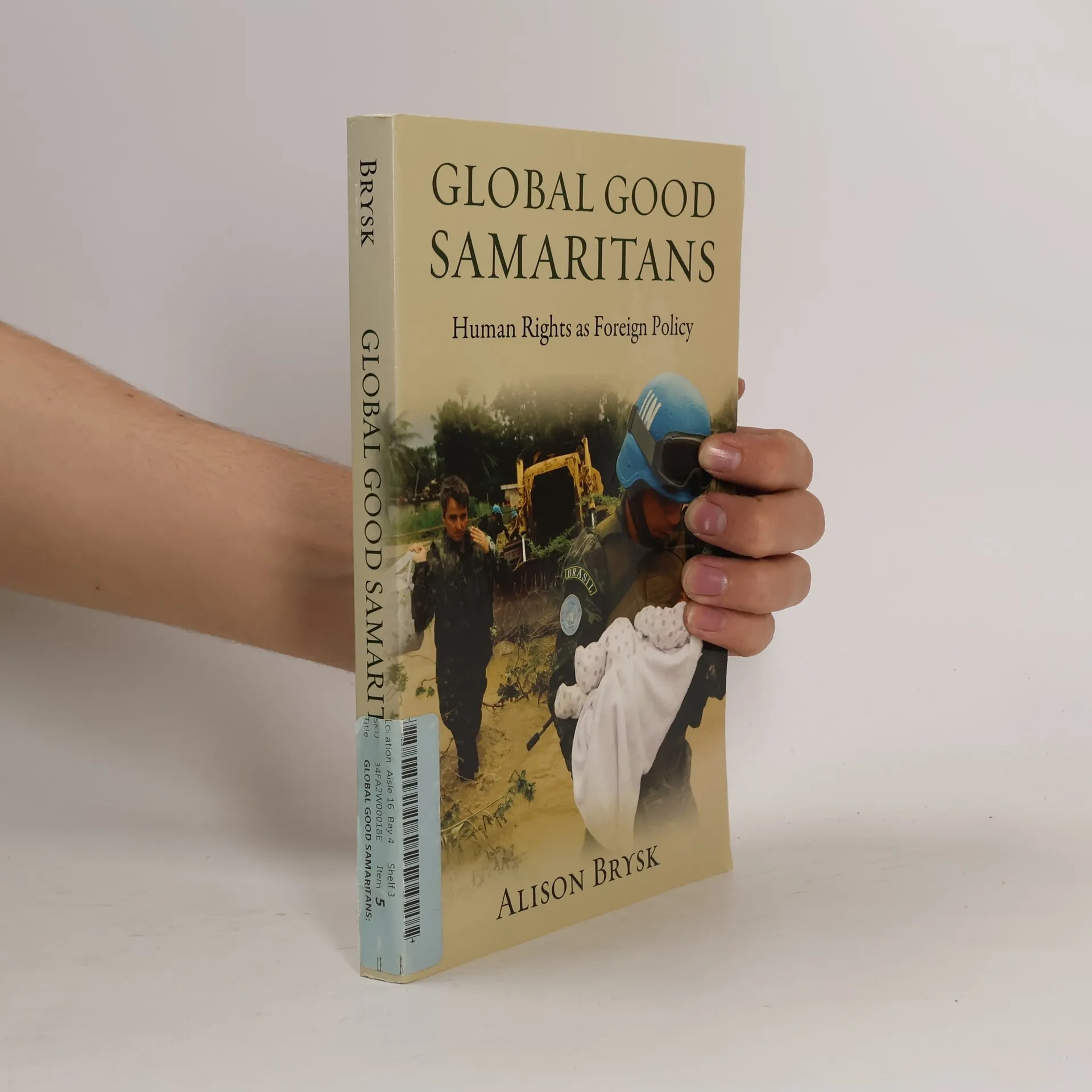
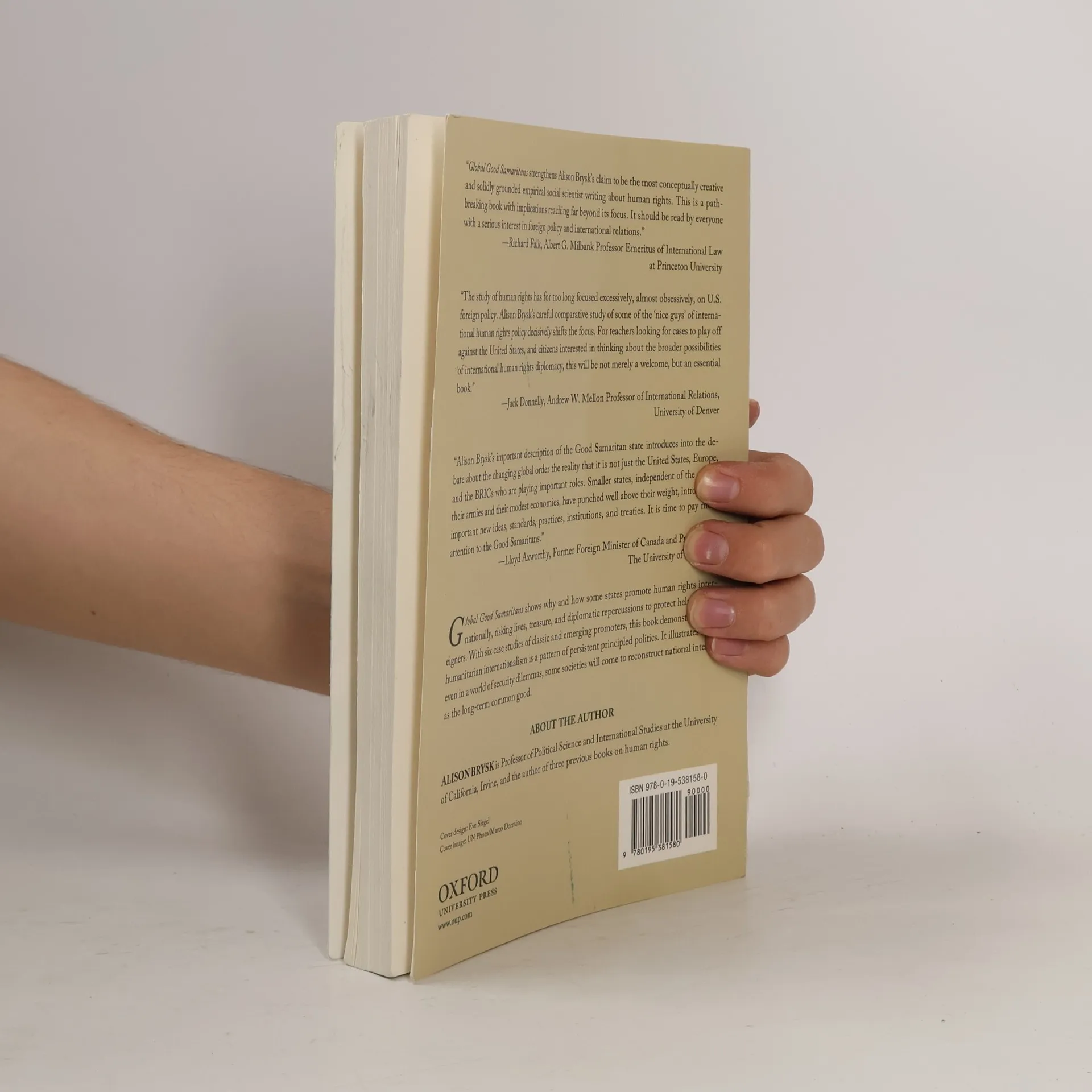
In a world where governments often harm their own citizens, some states prioritize the protection of vulnerable foreigners, risking lives and resources. Canadian peacekeepers have sacrificed their lives in Afghanistan for humanitarian efforts, while Sweden contributes over $3 billion annually to aid the poorest and struggling democracies without expecting anything in return. Costa Rica once defied U.S. influence to broker peace in Central America and now collaborates with countries like South Africa to support the International Criminal Court, despite facing U.S. pressure and aid cuts. These actions have saved countless refugees, showcasing a commitment to global human rights. The book examines why certain states actively promote human rights, arguing that humanitarian internationalism is a consistent political approach rather than mere altruism. It challenges the realist perspective that prioritizes national interest, suggesting that constructivist frameworks can shed light on how ideas and identities shape state behavior. Brysk illustrates how democratic middle powers, motivated by visionary leaders and robust civil societies, recognize the connection between their long-term interests and the global good. She posits that promoting human rights could be a viable option for more states, enhancing the international human rights regime alongside grassroots movements and efforts to democratize global governance.
Compra de libros
Global Good Samaritans, Alison Brysk
- Idioma

- Publicado en
- 2009
- Encuadernación
- (Tapa blanda),
- Estado del libro
- Bueno
- Precio
- 5,19 €
Métodos de pago
Nadie lo ha calificado todavía.
- Título
- Global Good Samaritans
- Subtítulo
- Human Rights as Foreign Policy
- Idioma
- Inglés
- Autores
- Alison Brysk
- Editorial
- Oxford University Press
- Publicado en
- 2009
- Formato
- Tapa blanda
- Páginas
- 300
- ISBN10
- 0195381580
- ISBN13
- 9780195381580
- Serie
- Etiquetas
- EE.UU., Teorías Políticas, Relaciones Internacionales, Derechos Humanos, Paz
- Descripción
- In a world where governments often harm their own citizens, some states prioritize the protection of vulnerable foreigners, risking lives and resources. Canadian peacekeepers have sacrificed their lives in Afghanistan for humanitarian efforts, while Sweden contributes over $3 billion annually to aid the poorest and struggling democracies without expecting anything in return. Costa Rica once defied U.S. influence to broker peace in Central America and now collaborates with countries like South Africa to support the International Criminal Court, despite facing U.S. pressure and aid cuts. These actions have saved countless refugees, showcasing a commitment to global human rights. The book examines why certain states actively promote human rights, arguing that humanitarian internationalism is a consistent political approach rather than mere altruism. It challenges the realist perspective that prioritizes national interest, suggesting that constructivist frameworks can shed light on how ideas and identities shape state behavior. Brysk illustrates how democratic middle powers, motivated by visionary leaders and robust civil societies, recognize the connection between their long-term interests and the global good. She posits that promoting human rights could be a viable option for more states, enhancing the international human rights regime alongside grassroots movements and efforts to democratize global governance.