



Parámetros
- 414 páginas
- 15 horas de lectura
Más información sobre el libro
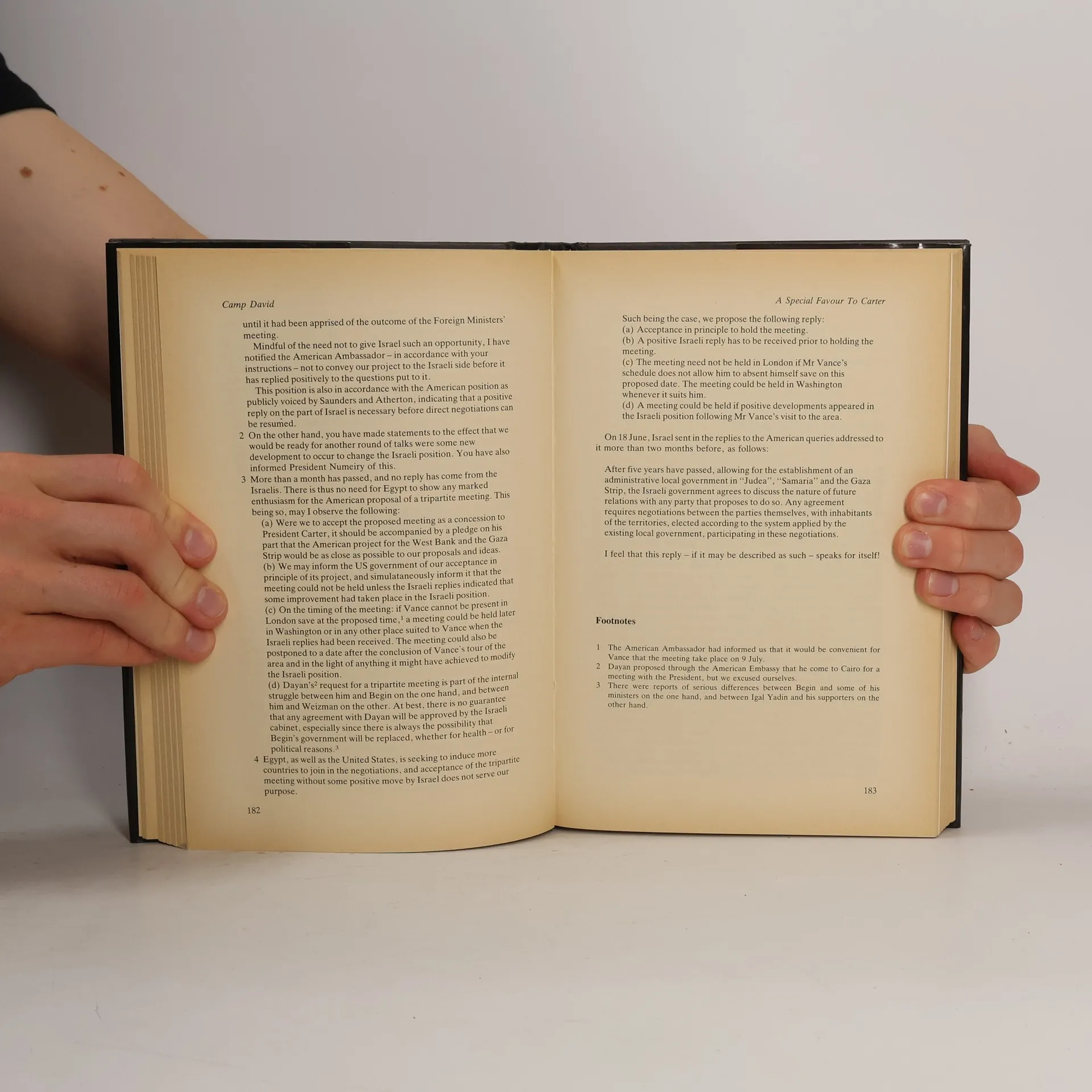
PMohamed Ibrahim Kamel's forthright reporting of a crucial time for the Middle East is distinguished above all else by his unwavering integrity. PThe man whom Anwar Sadat 'could trust, and who could speak his own mind' covers the negotiations initiated by Sadat in 1977 to the signing of the Camp David Accords a year later. Kamel describes Begin's success in manipulating both Carter and Sadat into substituting for houourable objectives a separate and partial peace containing the seeds of new tensions and conflicts which afflict the area today. He offers a fascinating and intimate look into Sadat's personality and its effects on the negotiations. We learn of the reasons for Kamel's final resignation, when he ultimately found it impossible to work with a brilliant but vain and unpredictable statesman who lost sight of a strategic goal in succumbing to the temptation of media stardom. Kamel's ITestimony/I is an essential historical document; it is central to our understanding of the continuing stalemate in Middle Eastern Affairs.P
Compra de libros
Camp David Accords, Mohamed Ibrahim Kamel
- Idioma

- Publicado en
- 1986
- Encuadernación
- (Tapa dura)
Métodos de pago
Nadie lo ha calificado todavía.
- Título
- Camp David Accords
- Subtítulo
- A Testimony by Sadat's Foreign Minister
- Idioma
- Inglés
- Autores
- Mohamed Ibrahim Kamel
- Editorial
- KPI
- Publicado en
- 1986
- Formato
- Tapa dura
- Páginas
- 414
- ISBN10
- 0710301502
- ISBN13
- 9780710301505
- Serie
- Categorías
- Etiquetas
- Relaciones Internacionales
- Descripción
- PMohamed Ibrahim Kamel's forthright reporting of a crucial time for the Middle East is distinguished above all else by his unwavering integrity. PThe man whom Anwar Sadat 'could trust, and who could speak his own mind' covers the negotiations initiated by Sadat in 1977 to the signing of the Camp David Accords a year later. Kamel describes Begin's success in manipulating both Carter and Sadat into substituting for houourable objectives a separate and partial peace containing the seeds of new tensions and conflicts which afflict the area today. He offers a fascinating and intimate look into Sadat's personality and its effects on the negotiations. We learn of the reasons for Kamel's final resignation, when he ultimately found it impossible to work with a brilliant but vain and unpredictable statesman who lost sight of a strategic goal in succumbing to the temptation of media stardom. Kamel's ITestimony/I is an essential historical document; it is central to our understanding of the continuing stalemate in Middle Eastern Affairs.P