

Más información sobre el libro
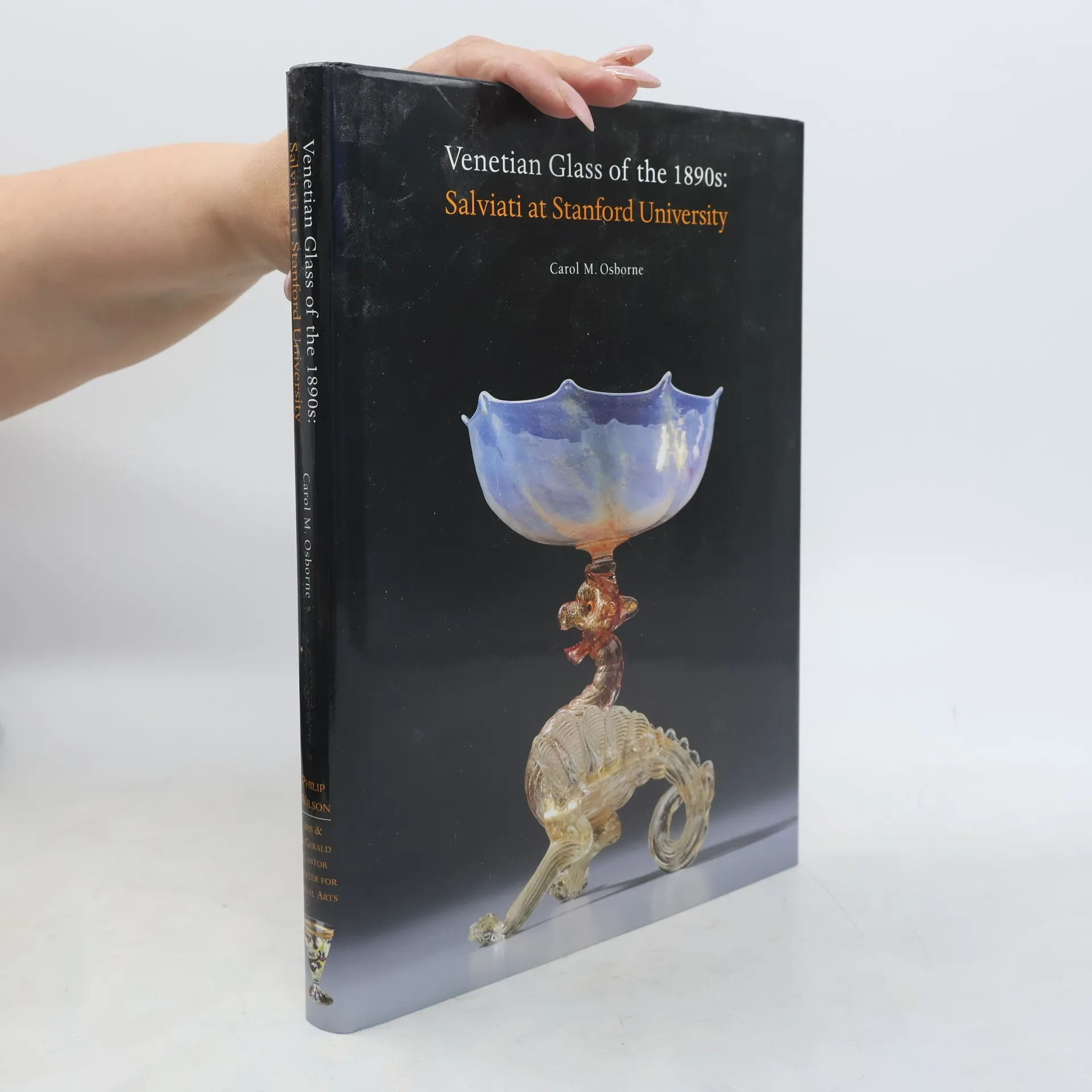
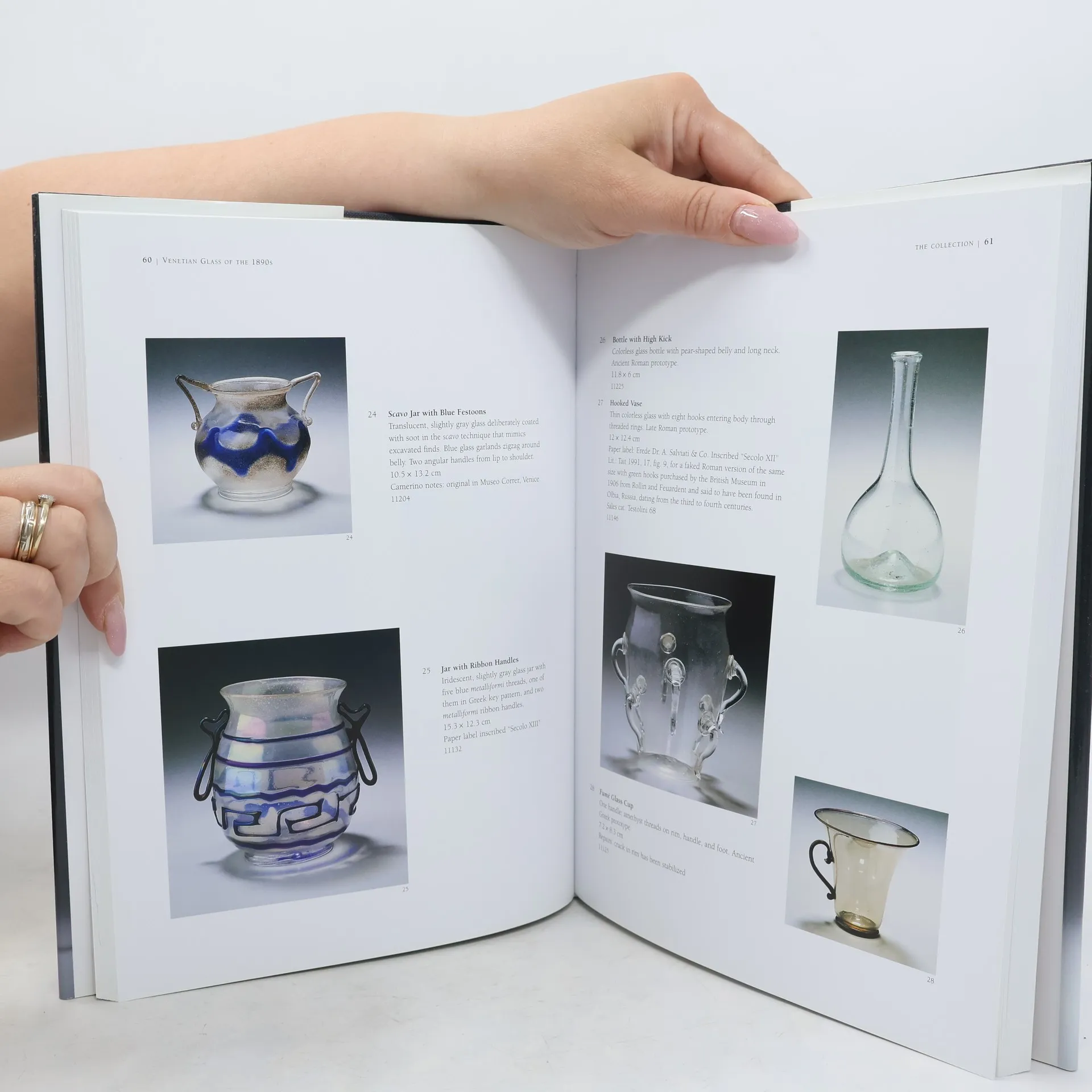
An introductoy essay explore the art of Venetian glass blowing, a tradition that goes back more than a thousand years. This art fell into decline during the eighteenth century and collapsed with the fall of the Venetian Republic. in 1797. The revival of glass making in the middle of the nineteenth century was largely due to Antonio Salviati (1816-1890), a lawyer from Vicenza. As production increased, Salviati glass could be found in London, Paris, and New York. The Stanford family first became involved with the Salviati firm in 1883, and the collection was eventually donated to the University as an expression of gratitude for the extensive mosaic commissions from its co-founder, Jane Lathrop Stanford.This sumptuously illustrated book illustrates and describes the 245 pieces of Salviati glass that were presented the Leland Stanford Junior Museum at the end of the nineteenth century. It accompanies an exhibition at the Iris & B. Gerard Cantor Center for Visual Arts at Stanford University, California.
Compra de libros
Venetian Glass of the 1890s, Carol M. Osborne, Iris & B Gerald Cantor Center for Visual Arts
- Idioma

- Publicado en
- 2003
- Encuadernación
- (Tapa dura)
Métodos de pago
Nadie lo ha calificado todavía.
- Título
- Venetian Glass of the 1890s
- Subtítulo
- Salviati at Stanford University
- Idioma
- Inglés
- Editorial
- Philip Wilson Publishers
- Publicado en
- 2003
- Formato
- Tapa dura
- Páginas
- 208
- ISBN10
- 0856675458
- ISBN13
- 9780856675454
- Serie
- Etiquetas
- Bellas artes, Otra historia, Exposiciones y ferias
- Descripción
- An introductoy essay explore the art of Venetian glass blowing, a tradition that goes back more than a thousand years. This art fell into decline during the eighteenth century and collapsed with the fall of the Venetian Republic. in 1797. The revival of glass making in the middle of the nineteenth century was largely due to Antonio Salviati (1816-1890), a lawyer from Vicenza. As production increased, Salviati glass could be found in London, Paris, and New York. The Stanford family first became involved with the Salviati firm in 1883, and the collection was eventually donated to the University as an expression of gratitude for the extensive mosaic commissions from its co-founder, Jane Lathrop Stanford.This sumptuously illustrated book illustrates and describes the 245 pieces of Salviati glass that were presented the Leland Stanford Junior Museum at the end of the nineteenth century. It accompanies an exhibition at the Iris & B. Gerard Cantor Center for Visual Arts at Stanford University, California.