




Más información sobre el libro
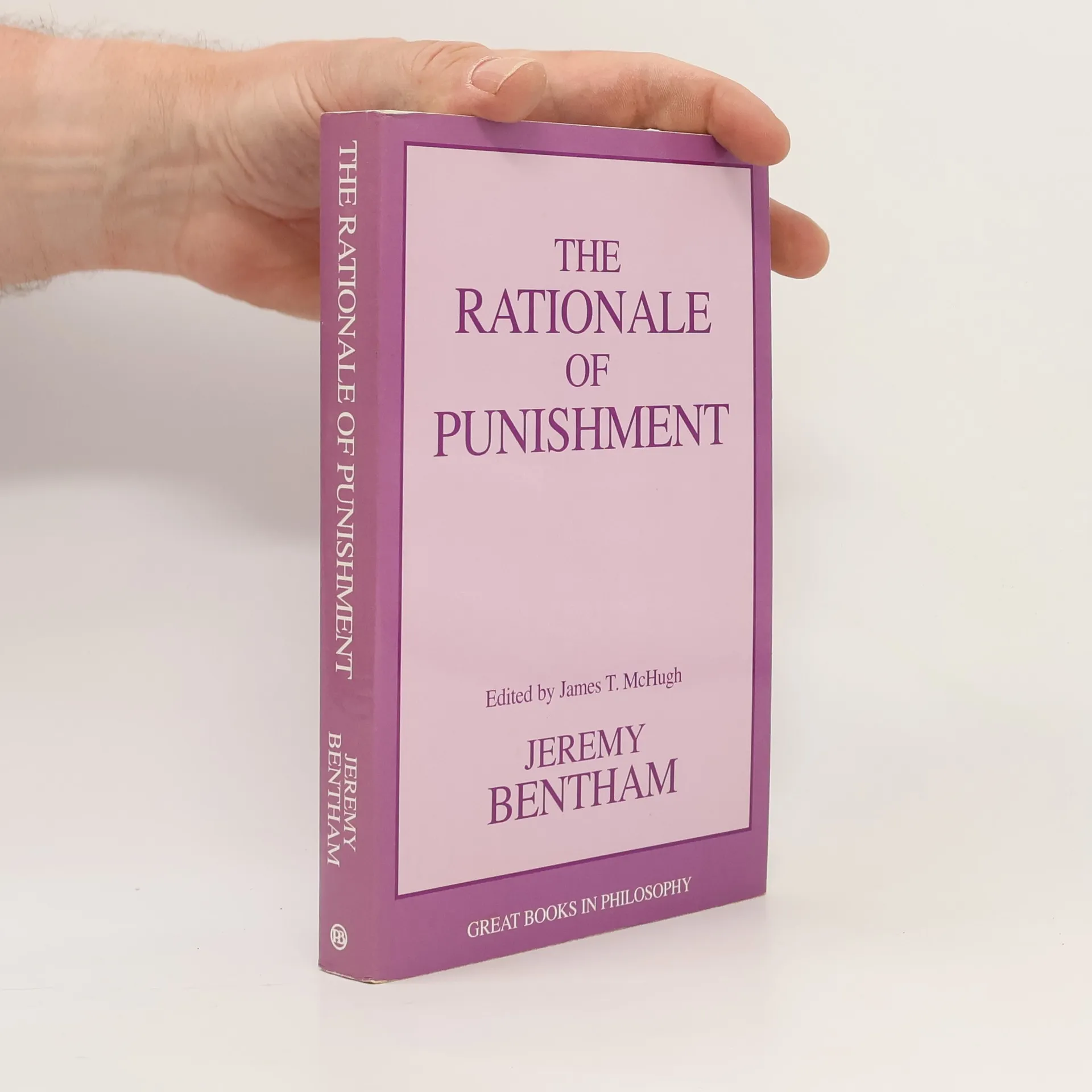
This edition of Jeremy Bentham’s The Rationale of Punishment is the first comprehensive version since 1830, edited by James T. McHugh. McHugh examines original manuscripts alongside the 1818 French edition by Étienne Dumont and the 1830 edition by Richard Smith, revealing that these editors were significant contributors rather than mere translators. Their augmentations reflect a more idealized and practically applicable understanding of utilitarian proportionality and justice in penal law. Punishment, according to Bentham, should be proportional to the crime, alleviating the pain caused by the initial act while avoiding unnecessary suffering. The ultimate goal of the state is to maximize pleasure for the greatest number of people. McHugh provides a substantial introduction that presents a new thesis on the relevance of this work to contemporary debates on punishment. He argues that The Rationale of Punishment exemplifies applied philosophy that should be revisited in discussions about crime prevention, victim compensation, and the dangers of human vindictiveness. This edition situates Bentham's ideas within a broader scholarly context, drawing on a wealth of primary and secondary sources, emphasizing the ongoing significance of utilitarian thought in shaping a just society.
Compra de libros
Great Books in Philosophy: The Rationale of Punishment, Jeremy Bentham, James T. McHugh
- Idioma

- Publicado en
- 2009
- Encuadernación
- (Tapa blanda)
Métodos de pago
Nadie lo ha calificado todavía.
- Título
- Great Books in Philosophy: The Rationale of Punishment
- Idioma
- Inglés
- Autores
- Jeremy Bentham, James T. McHugh
- Editorial
- Prometheus Books
- Publicado en
- 2009
- Formato
- Tapa blanda
- Páginas
- 434
- ISBN10
- 159102627X
- ISBN13
- 9781591026273
- Serie
- Categorías
- Etiquetas
- Temática filosófica, Gran Bretaña
- Descripción
- This edition of Jeremy Bentham’s The Rationale of Punishment is the first comprehensive version since 1830, edited by James T. McHugh. McHugh examines original manuscripts alongside the 1818 French edition by Étienne Dumont and the 1830 edition by Richard Smith, revealing that these editors were significant contributors rather than mere translators. Their augmentations reflect a more idealized and practically applicable understanding of utilitarian proportionality and justice in penal law. Punishment, according to Bentham, should be proportional to the crime, alleviating the pain caused by the initial act while avoiding unnecessary suffering. The ultimate goal of the state is to maximize pleasure for the greatest number of people. McHugh provides a substantial introduction that presents a new thesis on the relevance of this work to contemporary debates on punishment. He argues that The Rationale of Punishment exemplifies applied philosophy that should be revisited in discussions about crime prevention, victim compensation, and the dangers of human vindictiveness. This edition situates Bentham's ideas within a broader scholarly context, drawing on a wealth of primary and secondary sources, emphasizing the ongoing significance of utilitarian thought in shaping a just society.