


Más información sobre el libro
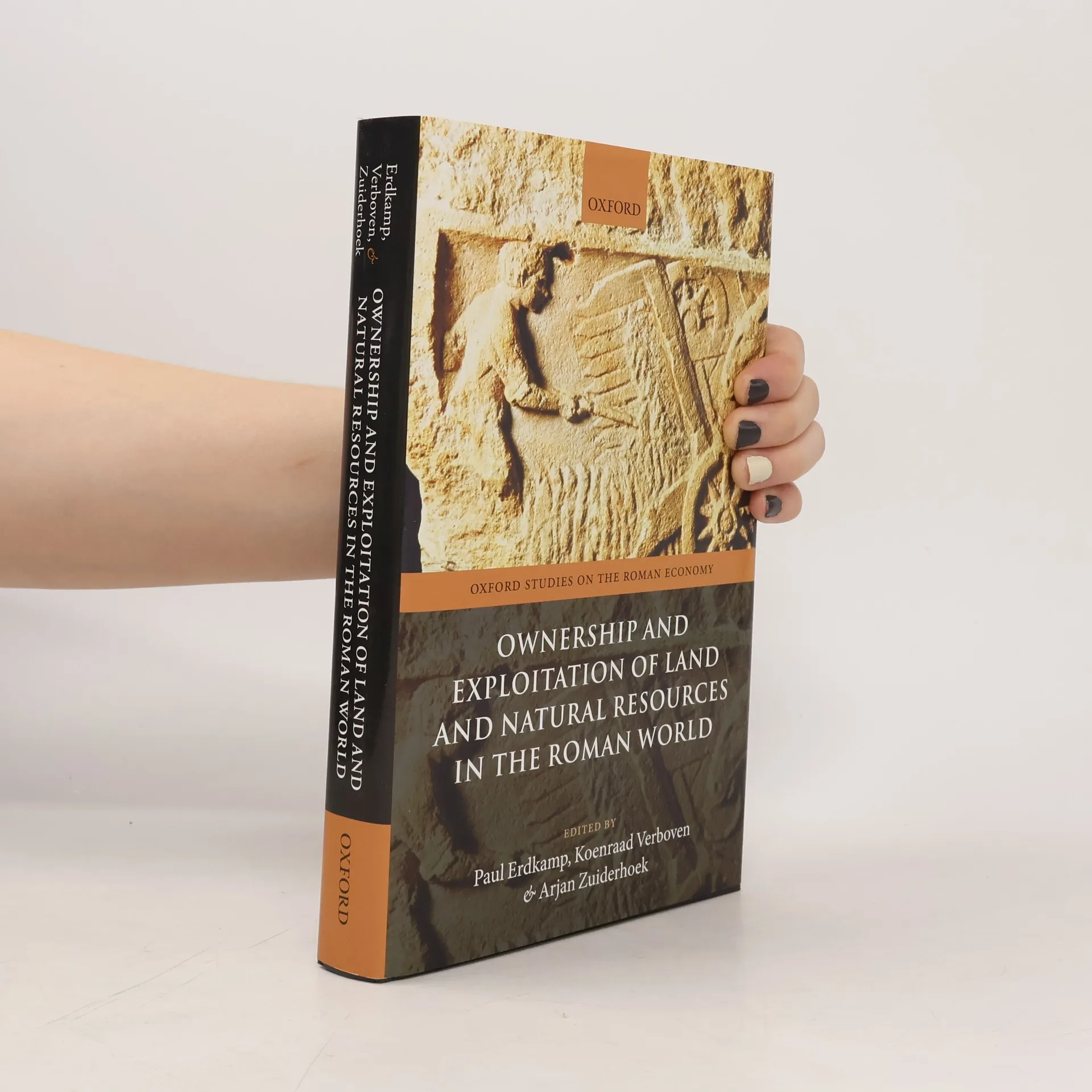
Explanation of the success and failure of the Roman economy is one of the most important problems in economic history. As an economic system capable of sustaining high production and consumption levels, it was unparalleled until the early modern period. This volume focuses on how the institutional structure of the Roman Empire affected economic performance both positively and negatively. An international range of contributors offers a variety of approaches that together enhance our understanding of how different ownership rights and various modes of organization and exploitation facilitated or prevented the use of land and natural resources in the production process. Relying on a large array of resources - literary, legal, epigraphic, papyrological, numismatic, and archaeological - chapters address key questions regarding the foundations of the Roman Empire's economic system. Questions of growth, concentration and legal status of property (private, public, or imperial), the role of the state, content and limitations of rights of ownership, water rights and management, exploitation of indigenous populations, and many more receive new and original analyses that make this book a significant step forward to understanding what made the economic achievements of the Roman empire possible.
Compra de libros
Oxford Studies on the Roman Economy: Ownership and Exploitation of Land and Natural Resources in the Roman World, Paul Erdkamp, Koenraad Verboven, Arjan Zuiderhoek
- Idioma

- Publicado en
- 2015
- Encuadernación
- (Tapa dura)
Métodos de pago
Nadie lo ha calificado todavía.
- Título
- Oxford Studies on the Roman Economy: Ownership and Exploitation of Land and Natural Resources in the Roman World
- Idioma
- Inglés
- Editorial
- Oxford University Press
- Publicado en
- 2015
- Formato
- Tapa dura
- Páginas
- 440
- ISBN10
- 0198728921
- ISBN13
- 9780198728924
- Serie
- Categorías
- Etiquetas
- Tema histórico, Comercio, Otra historia
- Descripción
- Explanation of the success and failure of the Roman economy is one of the most important problems in economic history. As an economic system capable of sustaining high production and consumption levels, it was unparalleled until the early modern period. This volume focuses on how the institutional structure of the Roman Empire affected economic performance both positively and negatively. An international range of contributors offers a variety of approaches that together enhance our understanding of how different ownership rights and various modes of organization and exploitation facilitated or prevented the use of land and natural resources in the production process. Relying on a large array of resources - literary, legal, epigraphic, papyrological, numismatic, and archaeological - chapters address key questions regarding the foundations of the Roman Empire's economic system. Questions of growth, concentration and legal status of property (private, public, or imperial), the role of the state, content and limitations of rights of ownership, water rights and management, exploitation of indigenous populations, and many more receive new and original analyses that make this book a significant step forward to understanding what made the economic achievements of the Roman empire possible.