



Más información sobre el libro
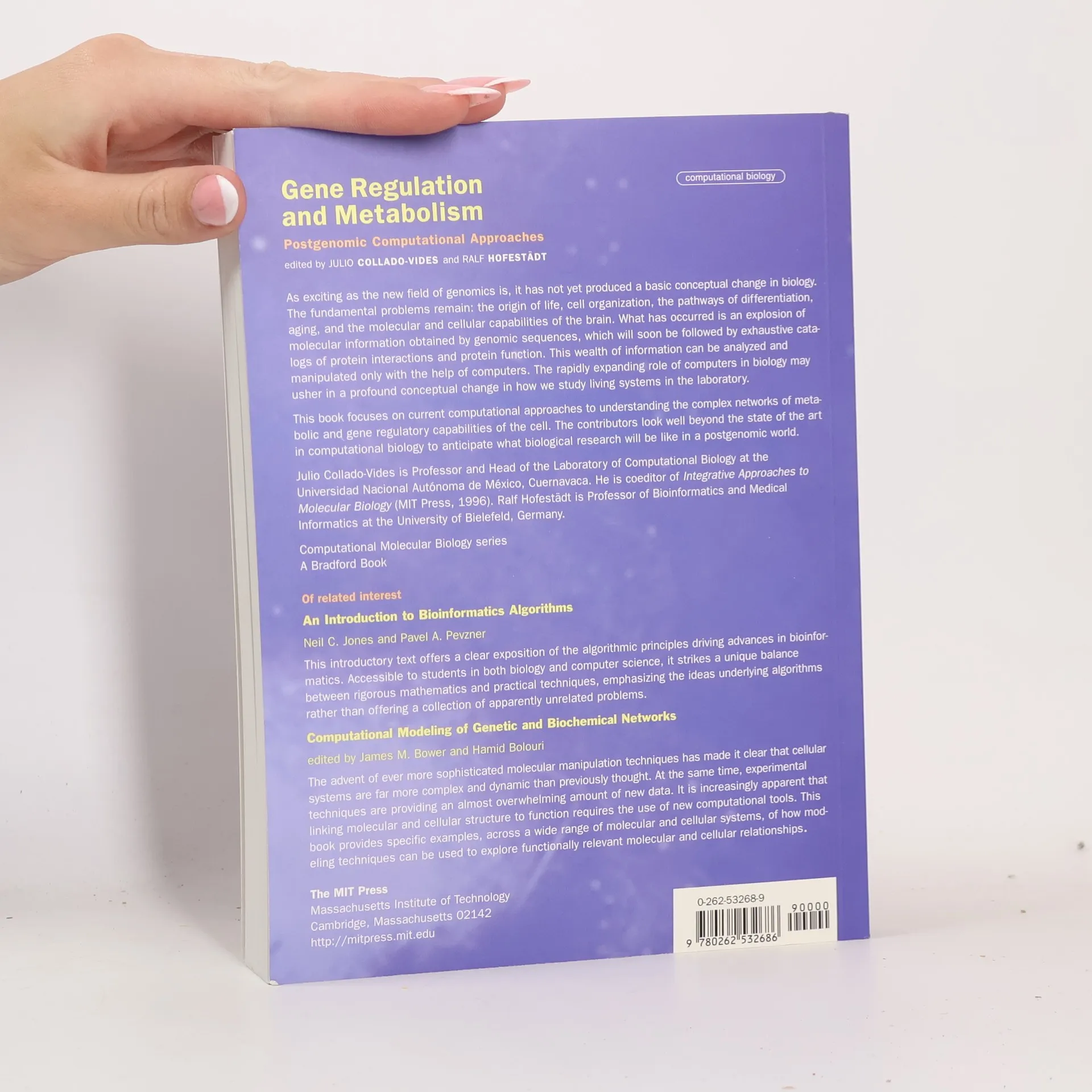
As exciting as the new field of genomics is, it has not yet produced a basic conceptual change in biology. The fundamental problems remain: the origin of life, cell organization, the pathways of differentiation, aging, and the molecular and cellular capabilities of the brain. What has occurred is an explosion of molecular information obtained by genomic sequences, which will soon be followed by exhaustive catalogs of protein interactions and protein function. This wealth of information can be analyzed and manipulated only with the help of computers. The rapidly expanding role of computers in biology may usher in a profound conceptual change in how we study living systems in the laboratory. This book focuses on current computational approaches to understanding the complex networks of metabolic and gene regulatory capabilities of the cell. The contributors look well beyond the state of the art in computational biology to anticipate what biological research will be like in a post-genomic world.
Compra de libros
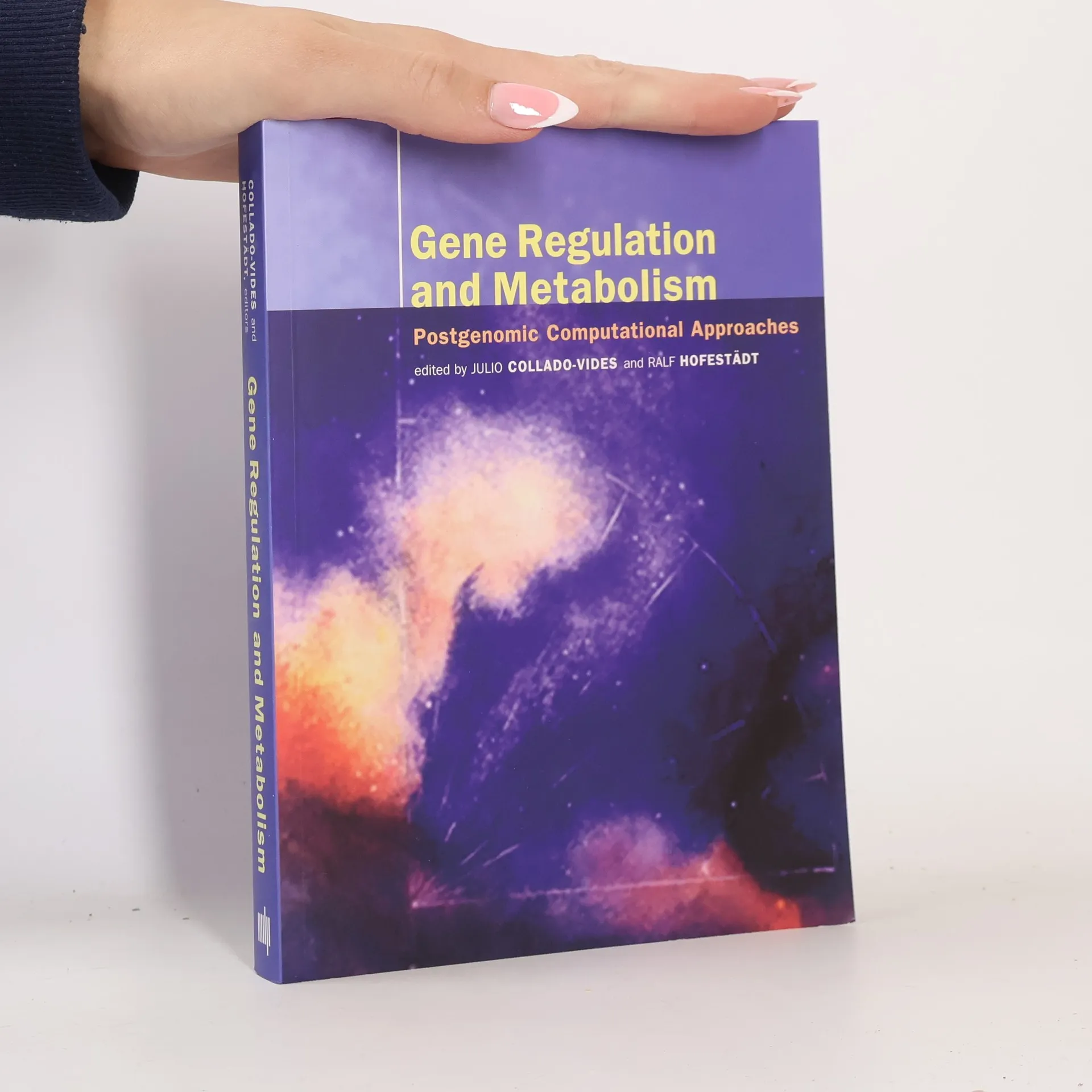
Computational Molecular Biology: Gene Regulation and Metabolism, Julio Collado-Vides, Ralf Hofestädt
- Idioma

- Publicado en
- 2002
- Encuadernación
- (Tapa blanda),
- Estado del libro
- Muy Bueno
- Precio
- 5,59 €
Métodos de pago
Nadie lo ha calificado todavía.
- Título
- Computational Molecular Biology: Gene Regulation and Metabolism
- Subtítulo
- Postgenomic Computational Approaches
- Idioma
- Inglés
- Autores
- Julio Collado-Vides, Ralf Hofestädt
- Editorial
- Bradford Book
- Publicado en
- 2002
- Formato
- Tapa blanda
- Páginas
- 310
- ISBN10
- 0262532689
- ISBN13
- 9780262532686
- Serie
- Etiquetas
- Ciencia, EE.UU., Medicina, Genética, Biología Molecular, Procesamiento de datos, Biotecnología
- Descripción
- As exciting as the new field of genomics is, it has not yet produced a basic conceptual change in biology. The fundamental problems remain: the origin of life, cell organization, the pathways of differentiation, aging, and the molecular and cellular capabilities of the brain. What has occurred is an explosion of molecular information obtained by genomic sequences, which will soon be followed by exhaustive catalogs of protein interactions and protein function. This wealth of information can be analyzed and manipulated only with the help of computers. The rapidly expanding role of computers in biology may usher in a profound conceptual change in how we study living systems in the laboratory. This book focuses on current computational approaches to understanding the complex networks of metabolic and gene regulatory capabilities of the cell. The contributors look well beyond the state of the art in computational biology to anticipate what biological research will be like in a post-genomic world.