

Más información sobre el libro
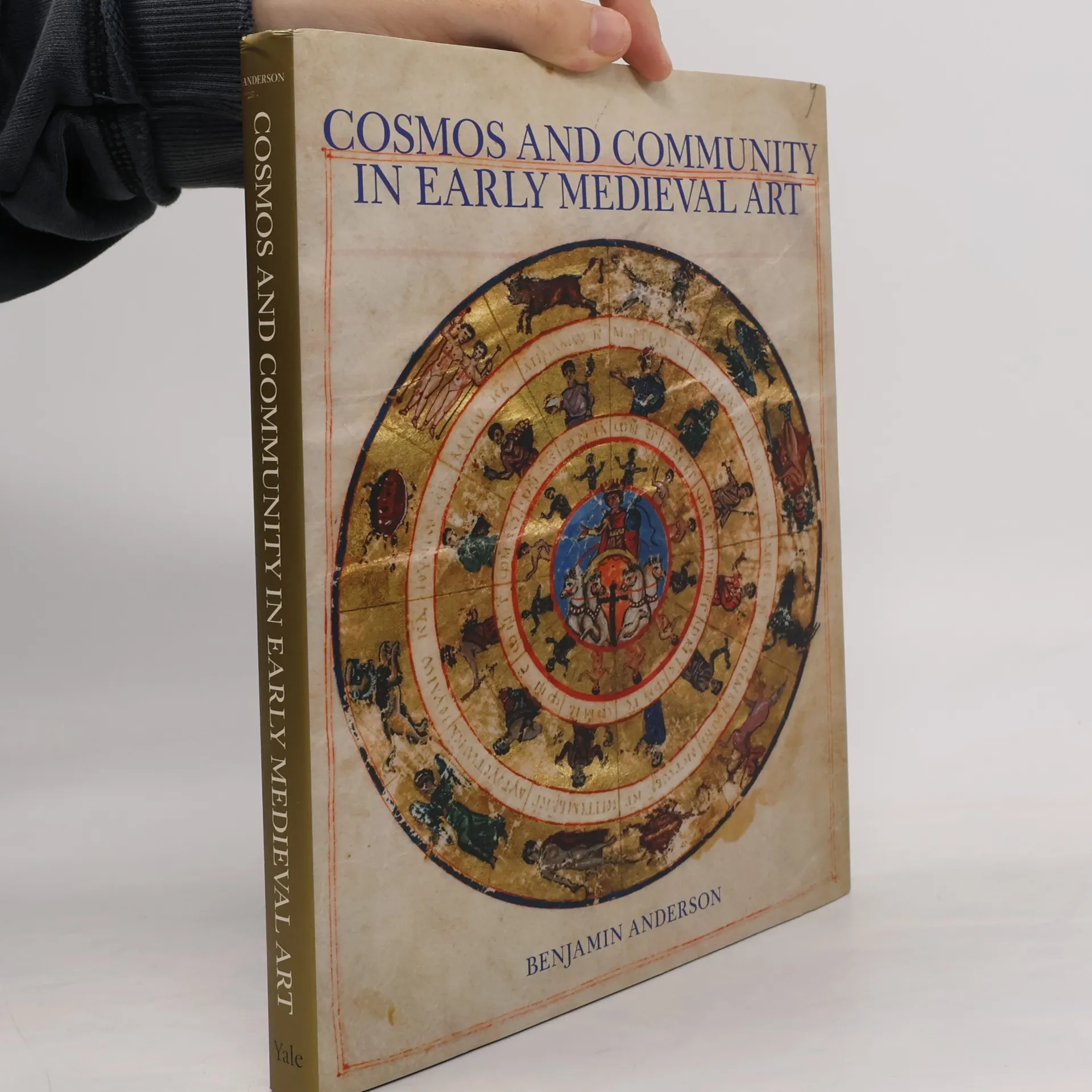
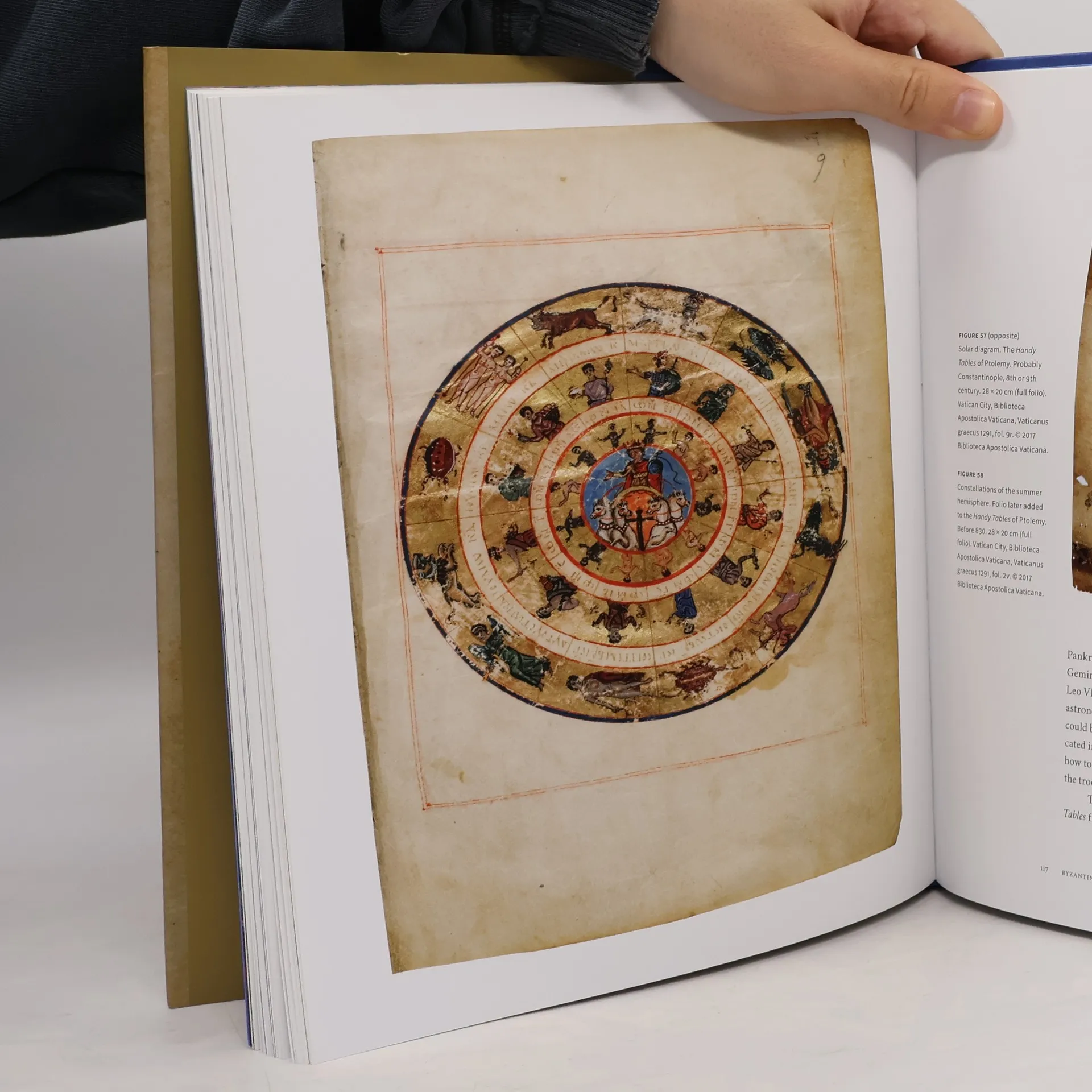
In the rapidly changing world of the early Middle Ages, depictions of the cosmos represented a consistent point of reference across the three dominant states—the Frankish, Byzantine, and Islamic Empires. As these empires diverged from their Greco-Roman roots between 700 and 1000 A.D. and established distinctive medieval artistic traditions, cosmic imagery created a web of visual continuity, though local meanings of these images varied greatly. Benjamin Anderson uses thrones, tables, mantles, frescoes, and manuscripts to show how cosmological motifs informed relationships between individuals, especially the ruling elite, and communities, demonstrating how domestic and global politics informed the production and reception of these depictions. The first book to consider such imagery across the dramatically diverse cultures of Western Europe, Byzantium, and the Islamic Middle East, Cosmos and Community in Early Medieval Art illuminates the distinctions between the cosmological art of these three cultural spheres, and reasserts the centrality of astronomical imagery to the study of art history.
Compra de libros
Cosmos and Community in Early Medieval Art, Benjamin Anderson
- Idioma

- Publicado en
- 2017
- Encuadernación
- (Tapa dura),
- Estado del libro
- Muy Bueno
- Precio
- 25,99 €
Métodos de pago
Nadie lo ha calificado todavía.
- Título
- Cosmos and Community in Early Medieval Art
- Idioma
- Inglés
- Autores
- Benjamin Anderson
- Editorial
- Yale University Press
- Publicado en
- 2017
- Formato
- Tapa dura
- Páginas
- 216
- ISBN10
- 0300219164
- ISBN13
- 9780300219166
- Serie
- Etiquetas
- Tema histórico, Arte, Espacio, Europa, Medieval, Salvaje Oeste, Historia del arte, Historia de Europa, Europa Occidental
- Descripción
- In the rapidly changing world of the early Middle Ages, depictions of the cosmos represented a consistent point of reference across the three dominant states—the Frankish, Byzantine, and Islamic Empires. As these empires diverged from their Greco-Roman roots between 700 and 1000 A.D. and established distinctive medieval artistic traditions, cosmic imagery created a web of visual continuity, though local meanings of these images varied greatly. Benjamin Anderson uses thrones, tables, mantles, frescoes, and manuscripts to show how cosmological motifs informed relationships between individuals, especially the ruling elite, and communities, demonstrating how domestic and global politics informed the production and reception of these depictions. The first book to consider such imagery across the dramatically diverse cultures of Western Europe, Byzantium, and the Islamic Middle East, Cosmos and Community in Early Medieval Art illuminates the distinctions between the cosmological art of these three cultural spheres, and reasserts the centrality of astronomical imagery to the study of art history.