


Más información sobre el libro
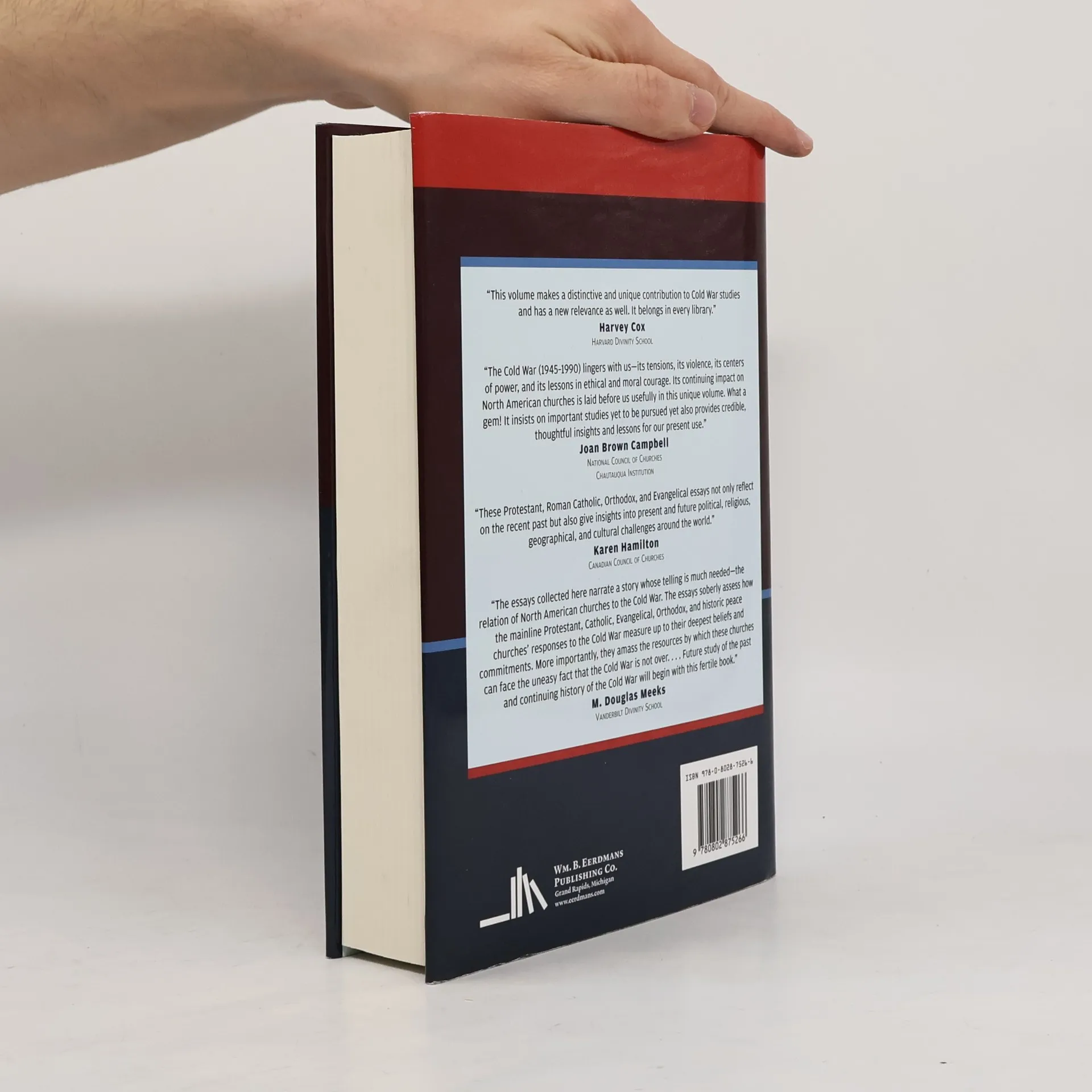
History textbooks often define the Cold War years as 1945–1990, yet the tensions from that era continue to shape global politics today. While much focus has been placed on political and social reactions to nuclear threats, the responses of Christian churches have largely been overlooked. This work presents a comprehensive examination of how Canadian and American churches reacted to the looming threat of nuclear disaster. Contributors, including scholars and church leaders, explore the anxieties, dilemmas, and hopes that emerged as World War II transitioned into the nuclear age. Faced with the possibility of nuclear annihilation or the pursuit of peaceful reconciliation, Christians grappled with critical issues such as war, communism, and their connections with fellow Christians in Eastern Europe. As we navigate the complexities of the nuclear era, this exploration offers valuable insights into the responses of Christian communities to future adversities and conflicts. Through a diverse range of perspectives, the book sheds light on the significant role that faith played in shaping responses to one of the most challenging periods in modern history.
Compra de libros
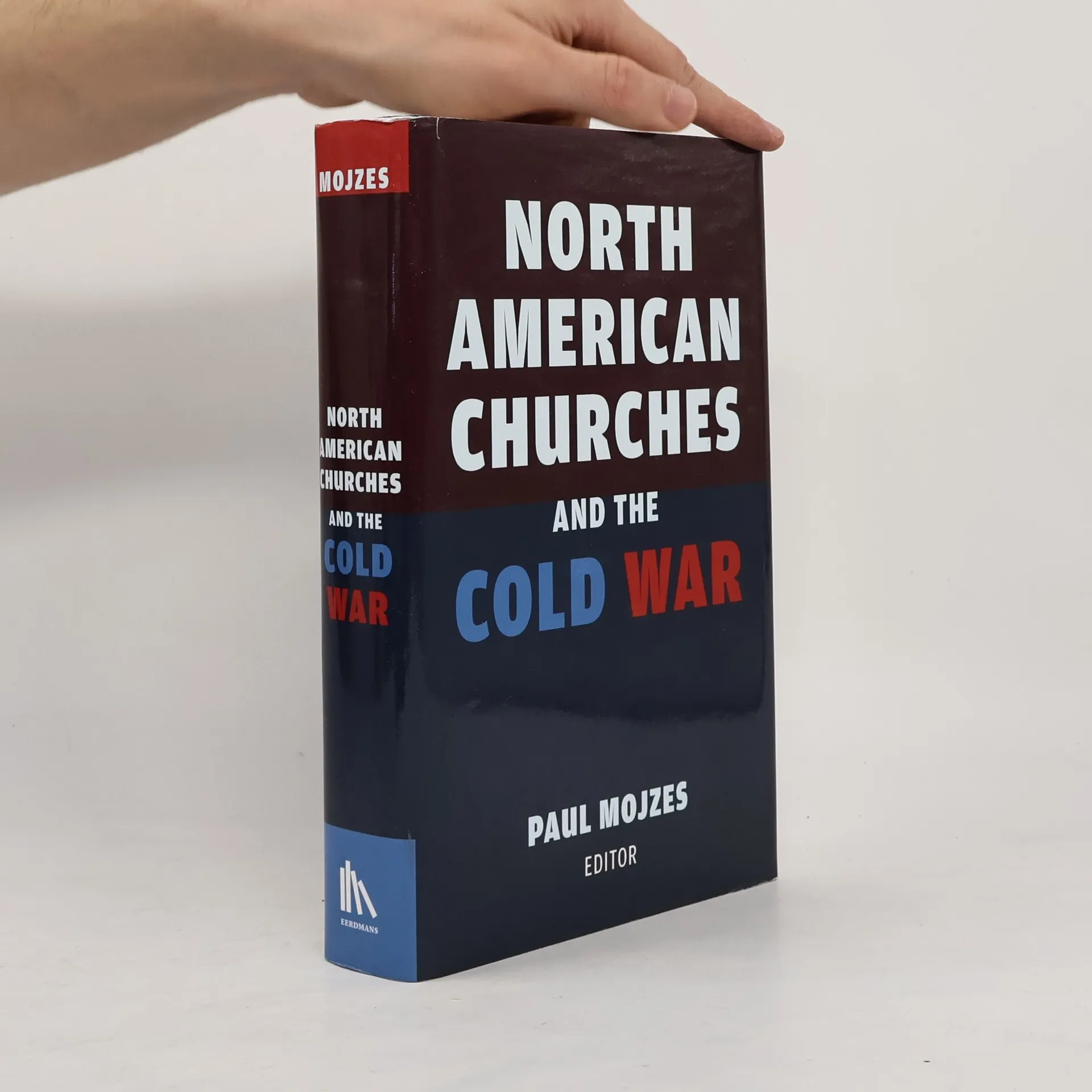
North American Churches and the Cold War, Paul B. Mojzes
- Idioma

- Publicado en
- 2018
- Encuadernación
- (Tapa dura),
- Estado del libro
- Bueno
- Precio
- 6,49 €
Métodos de pago
Nadie lo ha calificado todavía.
- Título
- North American Churches and the Cold War
- Idioma
- Inglés
- Autores
- Paul B. Mojzes
- Editorial
- Wm. B. Eerdmans Publishing Company
- Publicado en
- 2018
- Formato
- Tapa dura
- Páginas
- 560
- ISBN10
- 0802875262
- ISBN13
- 9780802875266
- Serie
- Categorías
- Etiquetas
- Tema histórico, Libros de texto, Cristianismo
- Descripción
- History textbooks often define the Cold War years as 1945–1990, yet the tensions from that era continue to shape global politics today. While much focus has been placed on political and social reactions to nuclear threats, the responses of Christian churches have largely been overlooked. This work presents a comprehensive examination of how Canadian and American churches reacted to the looming threat of nuclear disaster. Contributors, including scholars and church leaders, explore the anxieties, dilemmas, and hopes that emerged as World War II transitioned into the nuclear age. Faced with the possibility of nuclear annihilation or the pursuit of peaceful reconciliation, Christians grappled with critical issues such as war, communism, and their connections with fellow Christians in Eastern Europe. As we navigate the complexities of the nuclear era, this exploration offers valuable insights into the responses of Christian communities to future adversities and conflicts. Through a diverse range of perspectives, the book sheds light on the significant role that faith played in shaping responses to one of the most challenging periods in modern history.