

Parámetros
- 328 páginas
- 12 horas de lectura
Más información sobre el libro
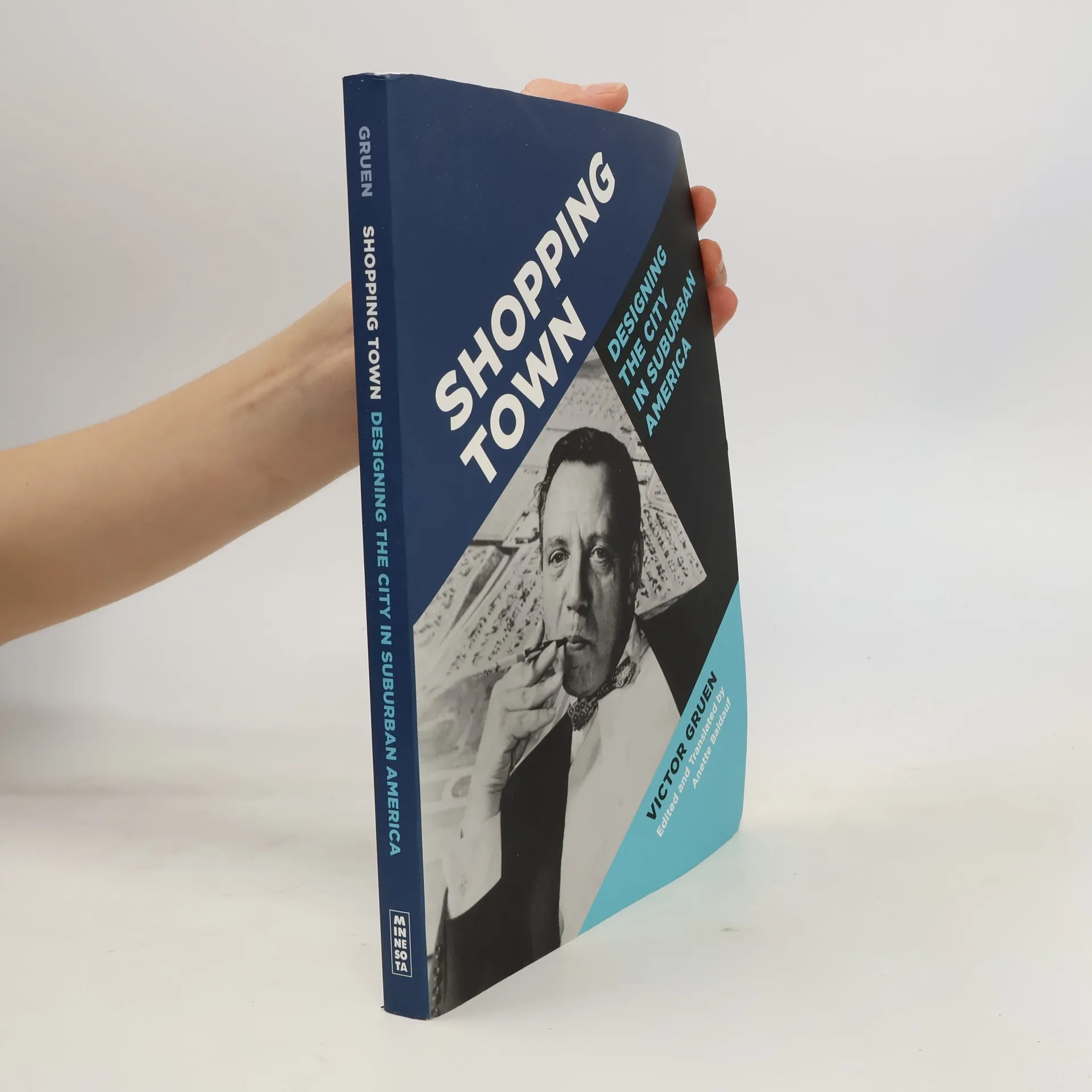
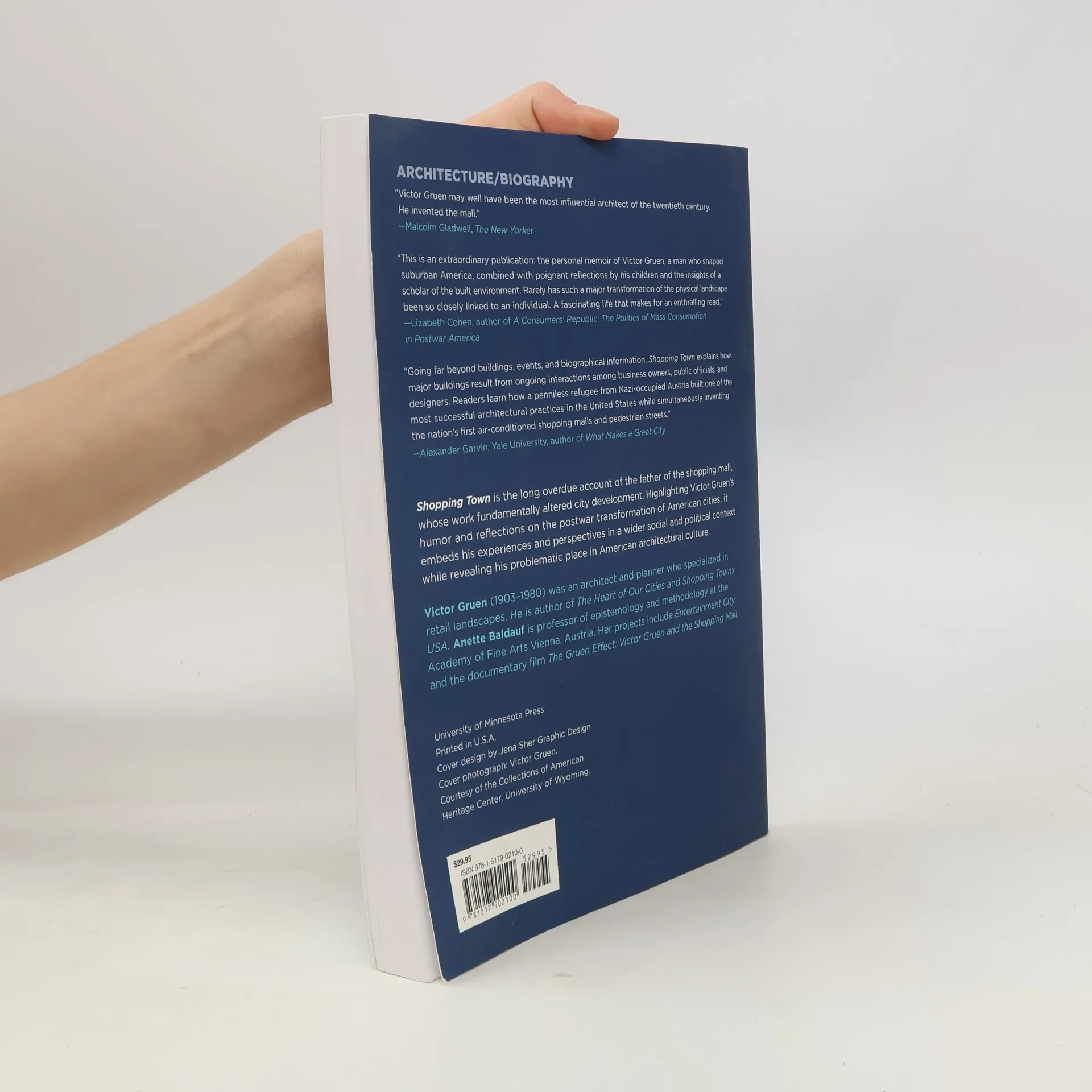
Victor Gruen, a pivotal figure in 20th-century architecture, is recognized as the father of the U.S. shopping mall. In spring 1979, shortly before his death, he began reconstructing his life story, which is now available in English for the first time. The narrative opens in Vienna in 1938, marking the turning point in Gruen’s life as he narrowly escaped the Nazi regime. A few years later, as a Jewish refugee in postwar America, he sought to recreate the vibrancy of Vienna’s city center, ultimately inventing the shopping mall. His Southdale Mall in Edina, Minnesota, became the first fully enclosed shopping center in the U.S. Gruen then adapted this concept for economically neglected urban areas, advocating for pedestrian zones and striving for an uncompromising urban ideal. The account captures Gruen’s humor and reflects on the complex forces shaping the postwar transformation of American cities. It places his experiences in a broader social and political context, revealing his complicated role in American architectural culture. The book concludes with afterwords by his children and an insightful essay by Anette Baldauf on Gruen's enduring legacy.
Compra de libros
Shopping Town, Victor Gruen, Anette Baldauf
- Idioma

- Publicado en
- 2017
- Encuadernación
- (Tapa blanda)
Métodos de pago
Nadie lo ha calificado todavía.
- Título
- Shopping Town
- Subtítulo
- Designing the City in Suburban America
- Idioma
- Inglés
- Autores
- Victor Gruen, Anette Baldauf
- Editorial
- University of Minnesota Press
- Publicado en
- 2017
- Formato
- Tapa blanda
- Páginas
- 328
- ISBN10
- 151790210X
- ISBN13
- 9781517902100
- Serie
- Etiquetas
- Tema histórico, Arquitectura, EE.UU., Historia local, Austria, Arquitectos
- Descripción
- Victor Gruen, a pivotal figure in 20th-century architecture, is recognized as the father of the U.S. shopping mall. In spring 1979, shortly before his death, he began reconstructing his life story, which is now available in English for the first time. The narrative opens in Vienna in 1938, marking the turning point in Gruen’s life as he narrowly escaped the Nazi regime. A few years later, as a Jewish refugee in postwar America, he sought to recreate the vibrancy of Vienna’s city center, ultimately inventing the shopping mall. His Southdale Mall in Edina, Minnesota, became the first fully enclosed shopping center in the U.S. Gruen then adapted this concept for economically neglected urban areas, advocating for pedestrian zones and striving for an uncompromising urban ideal. The account captures Gruen’s humor and reflects on the complex forces shaping the postwar transformation of American cities. It places his experiences in a broader social and political context, revealing his complicated role in American architectural culture. The book concludes with afterwords by his children and an insightful essay by Anette Baldauf on Gruen's enduring legacy.