


Parámetros
- 314 páginas
- 11 horas de lectura
Más información sobre el libro
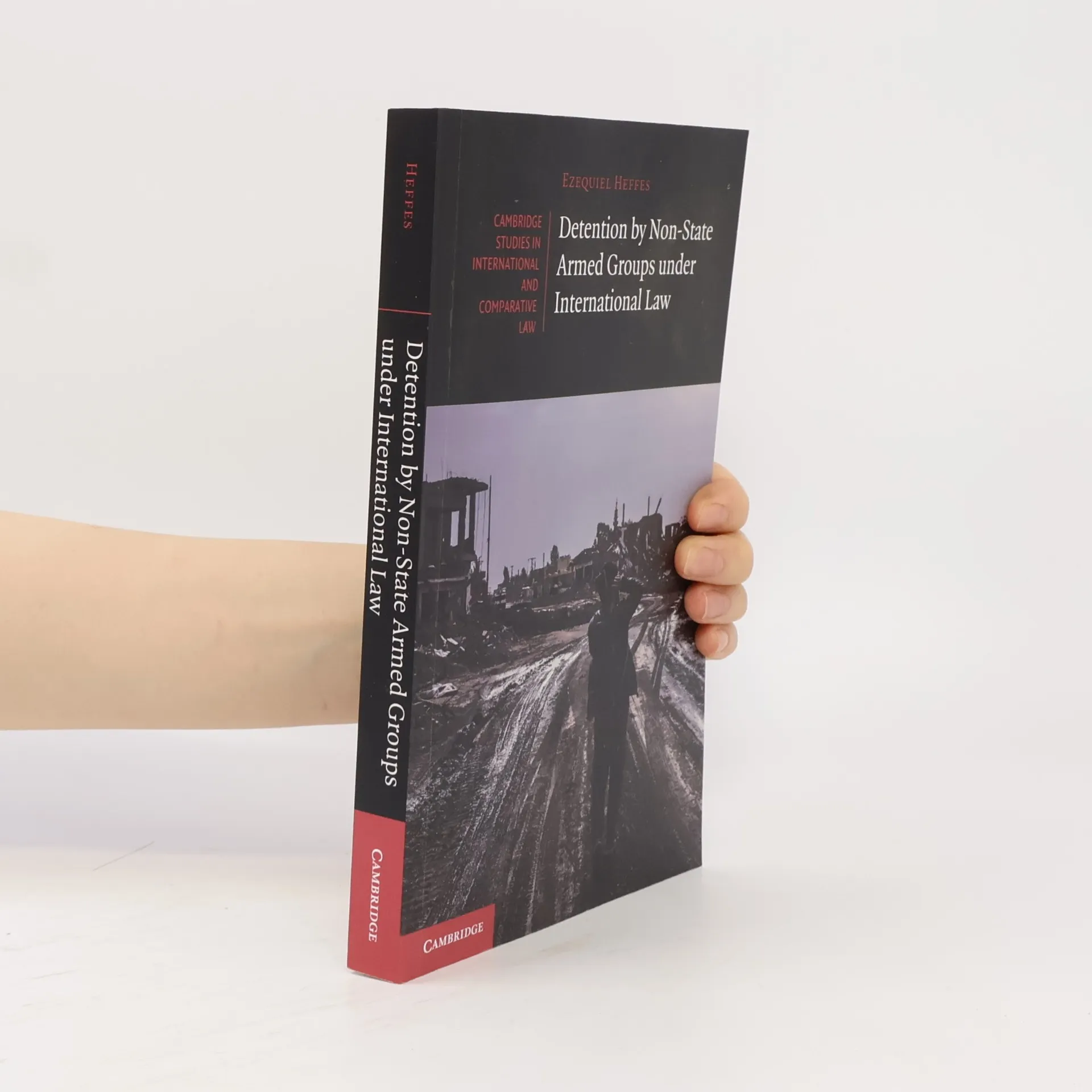
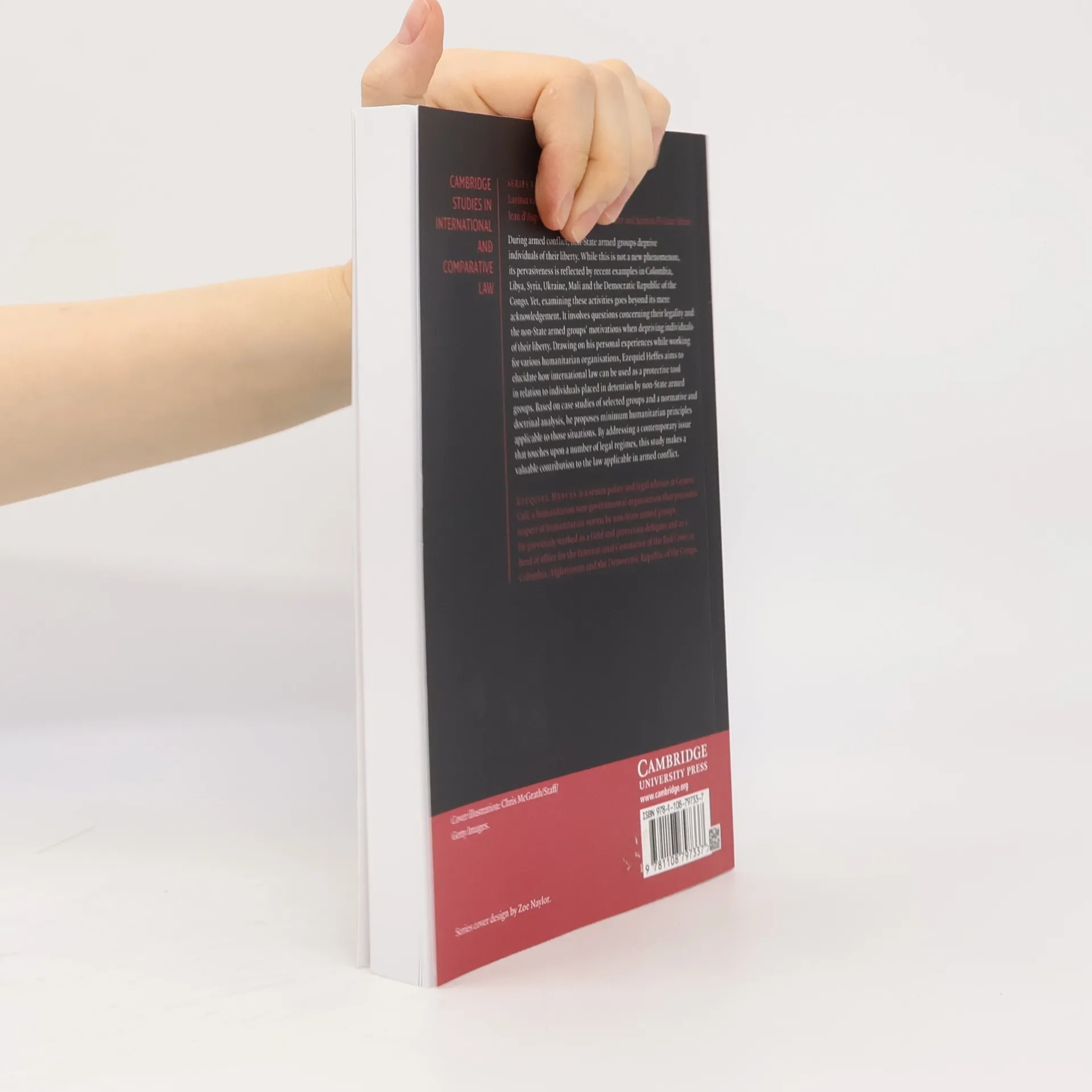
During armed conflict, non-State armed groups deprive individuals of their liberty. While this is not a new phenomenon, its pervasiveness is reflected by recent examples in Colombia, Libya, Syria, Ukraine, Mali and the Democratic Republic of the Congo. Yet, examining these activities goes beyond its mere acknowledgment. It involves questions concerning their legality and the non-State armed groups' motivations when depriving individuals of their liberty. Drawing on his personal experiences while working for various humanitarian organizations, Ezequiel Heffes aims at elucidating how international law can be used as a protective tool in relation to individuals placed in detention by non-State armed groups. Based on case studies of selected groups and a normative and doctrinal analysis, he proposes minimum humanitarian principles applicable to those situations. By addressing a contemporary issue that touches upon a number of legal regimes, this study makes a valuable contribution to the law applicable in armed conflict.
Compra de libros
Cambridge Studies in International and Comparative Law - 166: Detention by Non-State Armed Groups under International Law, Ezequiel Heffes
- Idioma

- Publicado en
- 2024
- Encuadernación
- (Tapa blanda),
- Estado del libro
- Bueno
- Precio
- 8,49 €
Métodos de pago
Nadie lo ha calificado todavía.
- Título
- Cambridge Studies in International and Comparative Law - 166: Detention by Non-State Armed Groups under International Law
- Idioma
- Inglés
- Autores
- Ezequiel Heffes
- Editorial
- Cambridge University Press
- Publicado en
- 2024
- Formato
- Tapa blanda
- Páginas
- 314
- ISBN10
- 1108797334
- ISBN13
- 9781108797337
- Serie
- Descripción
- During armed conflict, non-State armed groups deprive individuals of their liberty. While this is not a new phenomenon, its pervasiveness is reflected by recent examples in Colombia, Libya, Syria, Ukraine, Mali and the Democratic Republic of the Congo. Yet, examining these activities goes beyond its mere acknowledgment. It involves questions concerning their legality and the non-State armed groups' motivations when depriving individuals of their liberty. Drawing on his personal experiences while working for various humanitarian organizations, Ezequiel Heffes aims at elucidating how international law can be used as a protective tool in relation to individuals placed in detention by non-State armed groups. Based on case studies of selected groups and a normative and doctrinal analysis, he proposes minimum humanitarian principles applicable to those situations. By addressing a contemporary issue that touches upon a number of legal regimes, this study makes a valuable contribution to the law applicable in armed conflict.