



Wesselmann
Autores
Más información sobre el libro
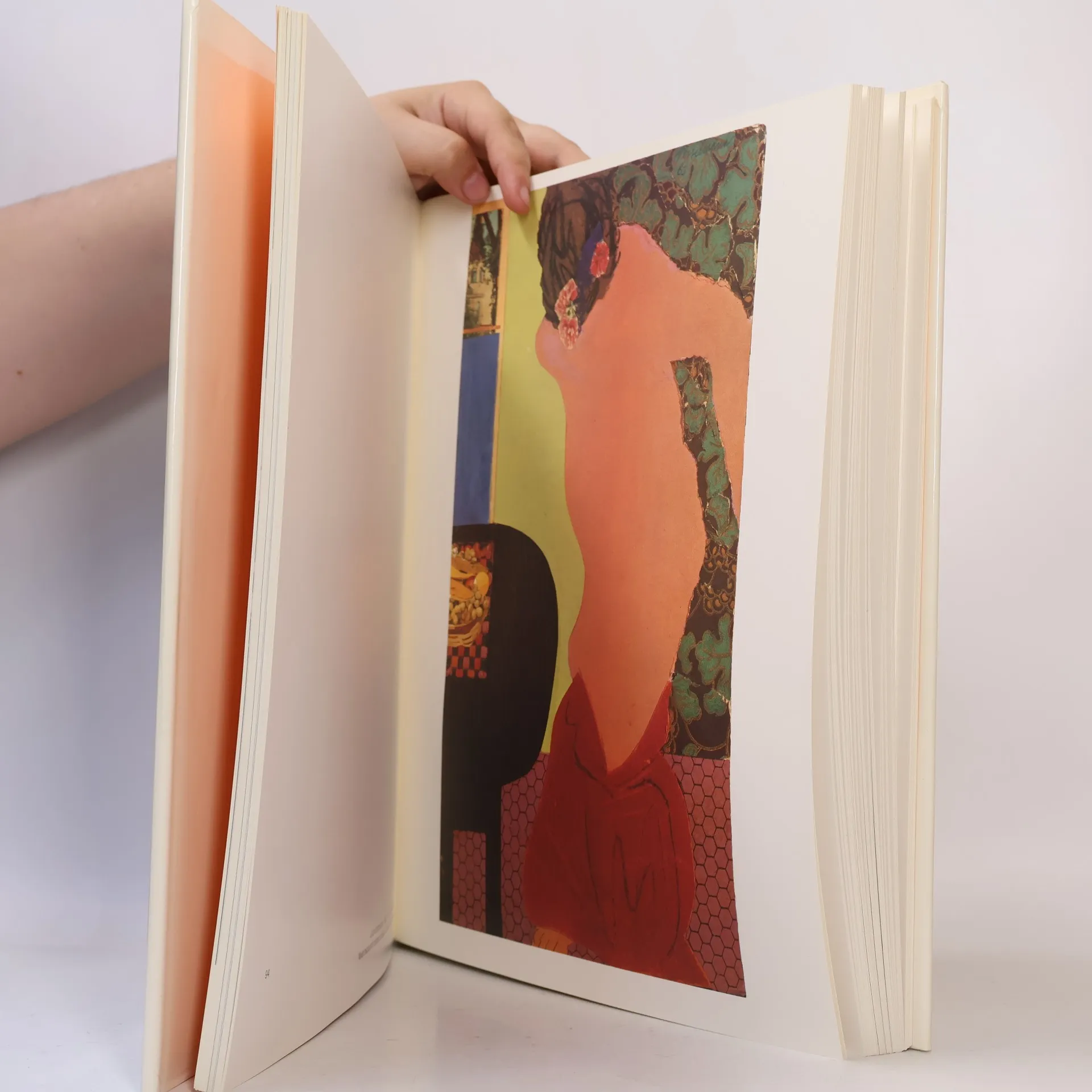
Tom Wesselmann (1931-) was one of the most prominent Pop artists of the 1960s. Whilst in the army he began drawing cartoons and afterward studied art at the Cincinnati Art Academy and then the Cooper Union. It was after his first one-man exhibition at the Tanager Gallery, New York, that he became known as one of the leading figures in American Pop art. He subsequently abandoned abstract expressionism for collages and constructions in mixed media, producing works created from clocks, television sets and air conditioners to ressemble shop windows. He became well known for the overt erotic imagery of his series, Great American Nude, which became progressively more sexual during the 1970s. This monograph is both a visual retrospective and informed critical account of Tom Wesselmann's work.
Compra de libros
Wesselmann, Tom Wesselmann
- Idioma

- Publicado en
- 1980
- Encuadernación
- (Tapa dura)
Métodos de pago
Nadie lo ha calificado todavía.
- Título
- Wesselmann
- Idioma
- Inglés
- Autores
- Tom Wesselmann
- Editorial
- Abbeville Press
- Publicado en
- 1980
- Formato
- Tapa dura
- Páginas
- 320
- ISBN10
- 0896590720
- ISBN13
- 9780896590724
- Serie
- Etiquetas
- Bellas artes, Arte Visual, Arte Pop
- Descripción
- Tom Wesselmann (1931-) was one of the most prominent Pop artists of the 1960s. Whilst in the army he began drawing cartoons and afterward studied art at the Cincinnati Art Academy and then the Cooper Union. It was after his first one-man exhibition at the Tanager Gallery, New York, that he became known as one of the leading figures in American Pop art. He subsequently abandoned abstract expressionism for collages and constructions in mixed media, producing works created from clocks, television sets and air conditioners to ressemble shop windows. He became well known for the overt erotic imagery of his series, Great American Nude, which became progressively more sexual during the 1970s. This monograph is both a visual retrospective and informed critical account of Tom Wesselmann's work.