

Más información sobre el libro
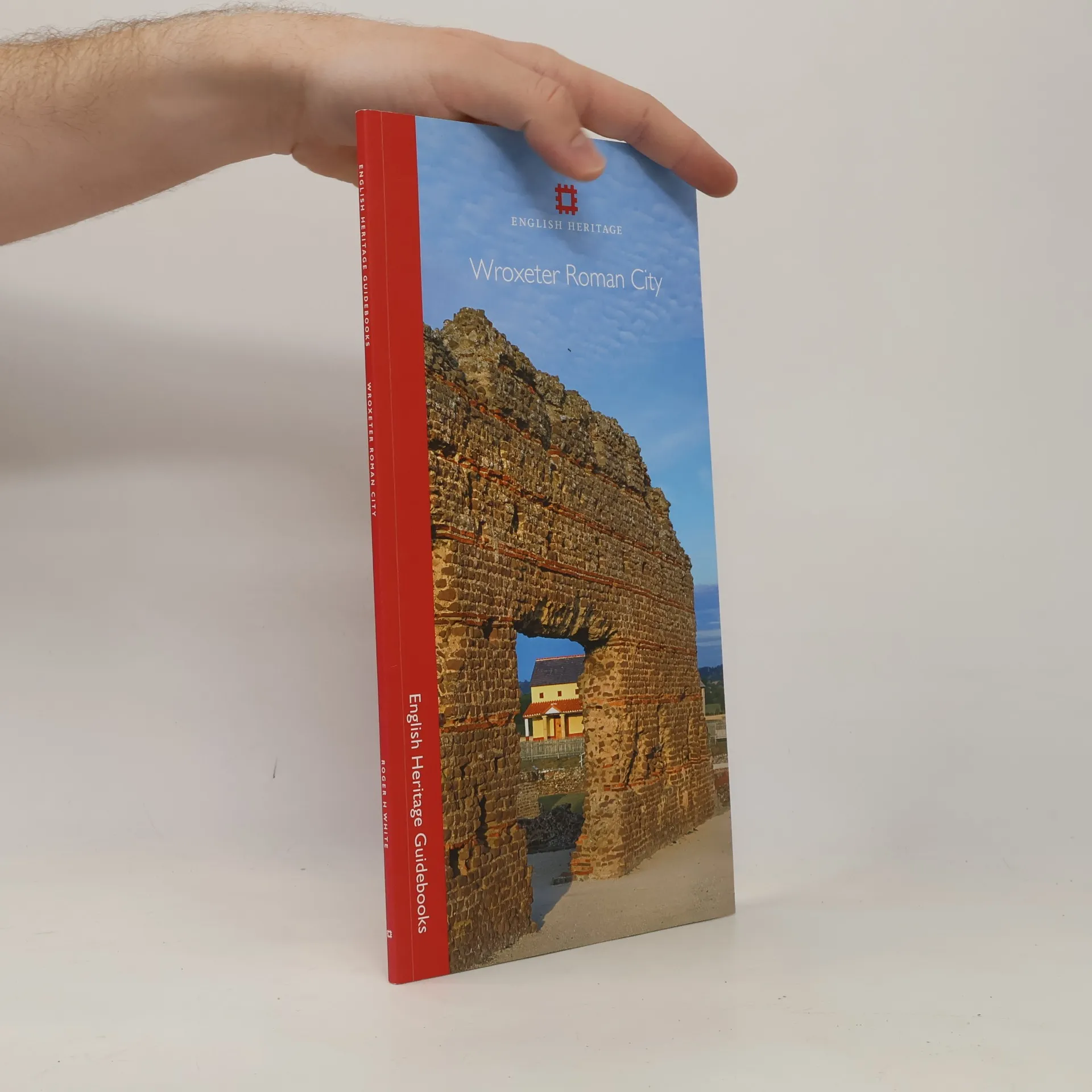
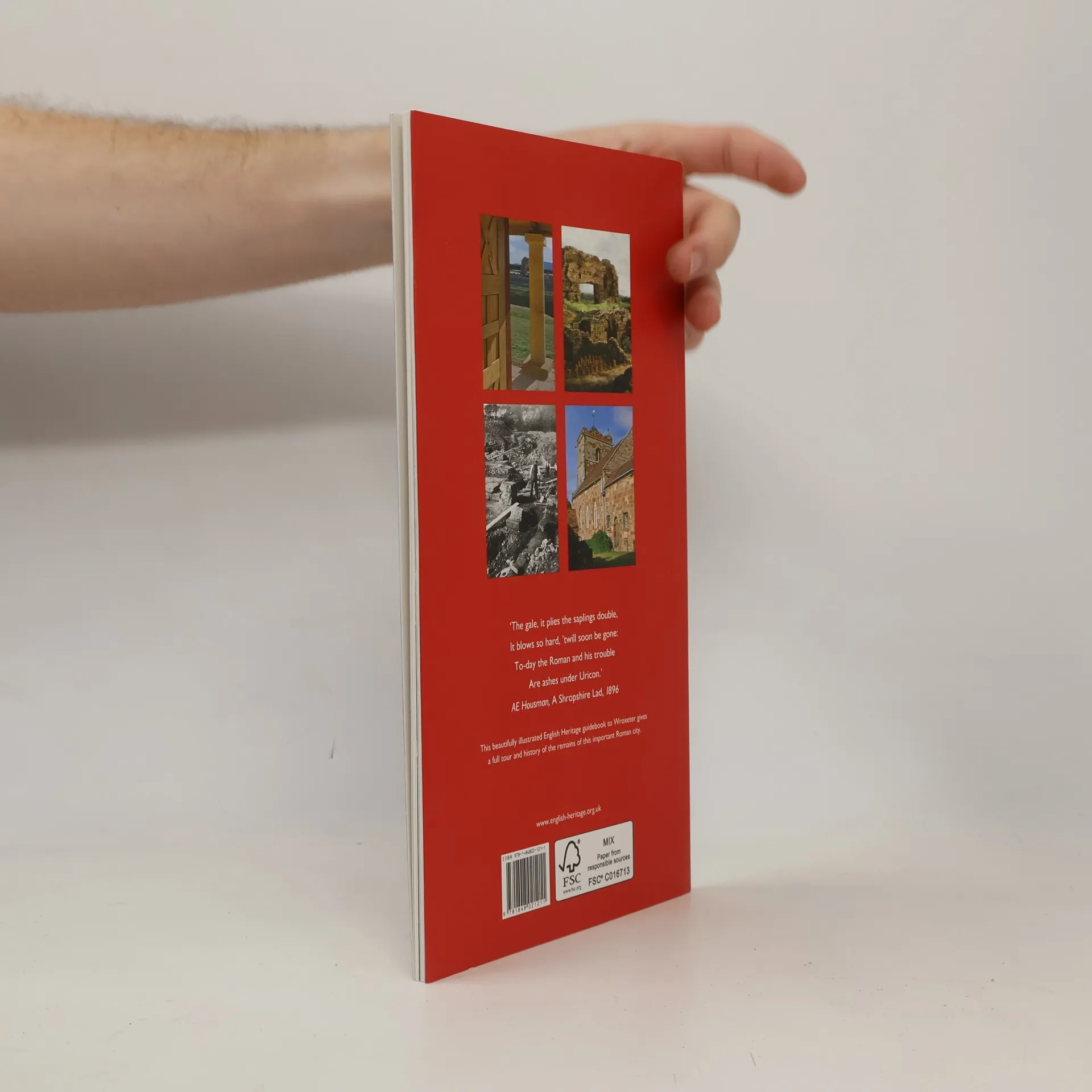
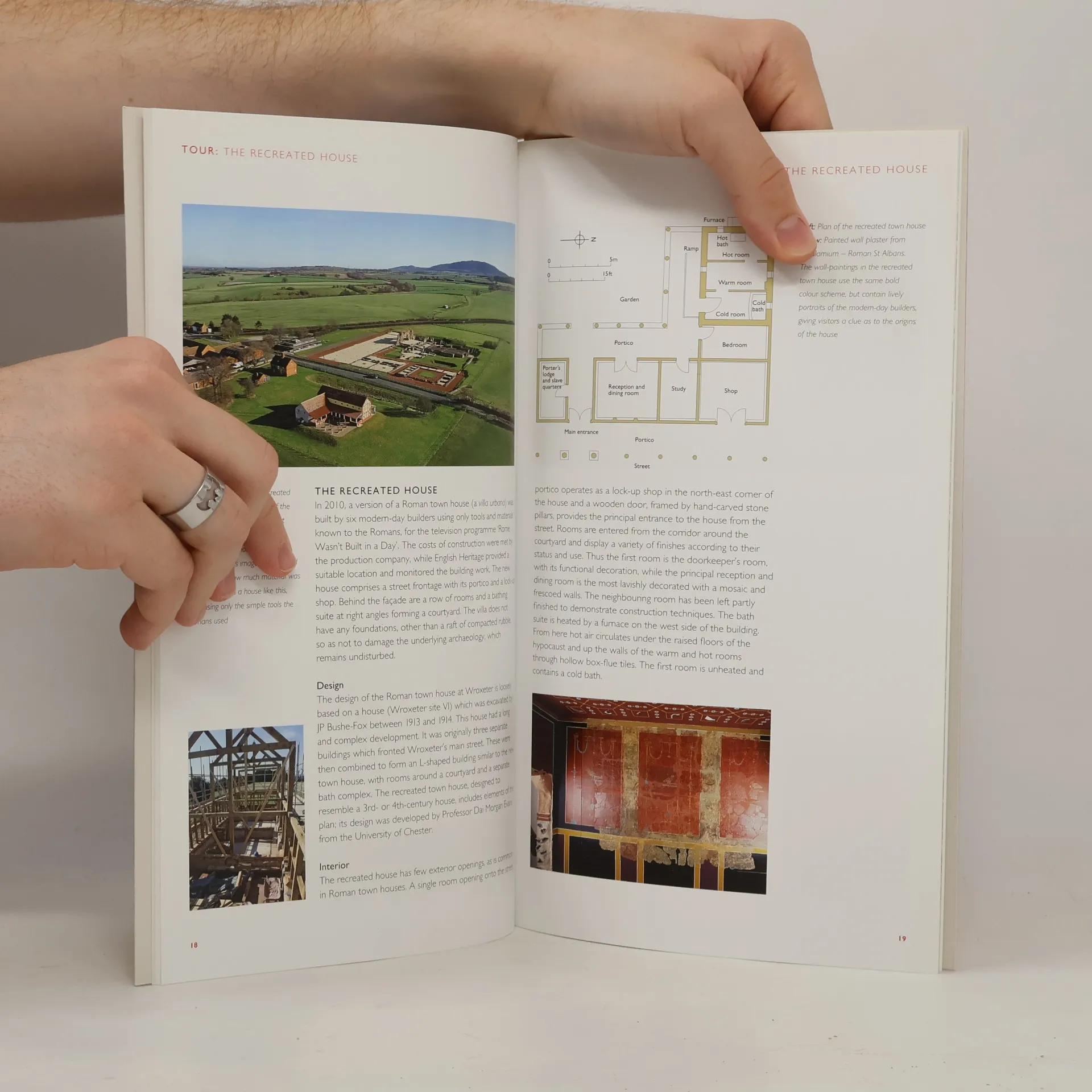
Wroxeter Roman City - Viriconium Cornoviorum - was once the fourth largest town in Roman Britain. Founded in the mid 1st century AD as a legionary fortress, the town was established in the 90s AD. It was inhabited until it was abandoned in the 7th century, when the region was conquered by the Anglo-Saxon kingdom of Mercia and the town was deserted, apart from the area round the Church of St Andrew. Only the ruined wall, known as the 'Old Work', in the centre of the Roman city, and the town's defences indicated that there had once been a town here. The town reverted to farmland, its fields producing crops alongside artefacts and building stone, eventually attracting the attention of antiquarians.In 1859, archaeologists began excavating by the Old Work and uncovered the remains of a large public baths. Later excavations located the forum and houses, none of which is now visible, but a modern reconstruction of a Roman town house demonstrates how Wroxeter's houses may once have looked. Today, archaeologists have been using cutting-edge technology to uncover the secrets of the site, enabling them to see through the soil and reveal the details of the city, which has led to a revolution in our understanding of this complex and important site.
Compra de libros
English Heritage Guidebooks: Wroxeter Roman City, Roger White
- Idioma

- Publicado en
- 2012
- Encuadernación
- (Tapa blanda)
Métodos de pago
Nadie lo ha calificado todavía.
- Título
- English Heritage Guidebooks: Wroxeter Roman City
- Idioma
- Inglés
- Autores
- Roger White
- Editorial
- English Heritage
- Publicado en
- 2012
- Formato
- Tapa blanda
- Páginas
- 48
- ISBN10
- 1848021216
- ISBN13
- 9781848021211
- Serie
- Etiquetas
- Tema histórico, Inglaterra, Antigüedad, Arqueología, Imperio Romano
- Descripción
- Wroxeter Roman City - Viriconium Cornoviorum - was once the fourth largest town in Roman Britain. Founded in the mid 1st century AD as a legionary fortress, the town was established in the 90s AD. It was inhabited until it was abandoned in the 7th century, when the region was conquered by the Anglo-Saxon kingdom of Mercia and the town was deserted, apart from the area round the Church of St Andrew. Only the ruined wall, known as the 'Old Work', in the centre of the Roman city, and the town's defences indicated that there had once been a town here. The town reverted to farmland, its fields producing crops alongside artefacts and building stone, eventually attracting the attention of antiquarians.In 1859, archaeologists began excavating by the Old Work and uncovered the remains of a large public baths. Later excavations located the forum and houses, none of which is now visible, but a modern reconstruction of a Roman town house demonstrates how Wroxeter's houses may once have looked. Today, archaeologists have been using cutting-edge technology to uncover the secrets of the site, enabling them to see through the soil and reveal the details of the city, which has led to a revolution in our understanding of this complex and important site.