

Más información sobre el libro
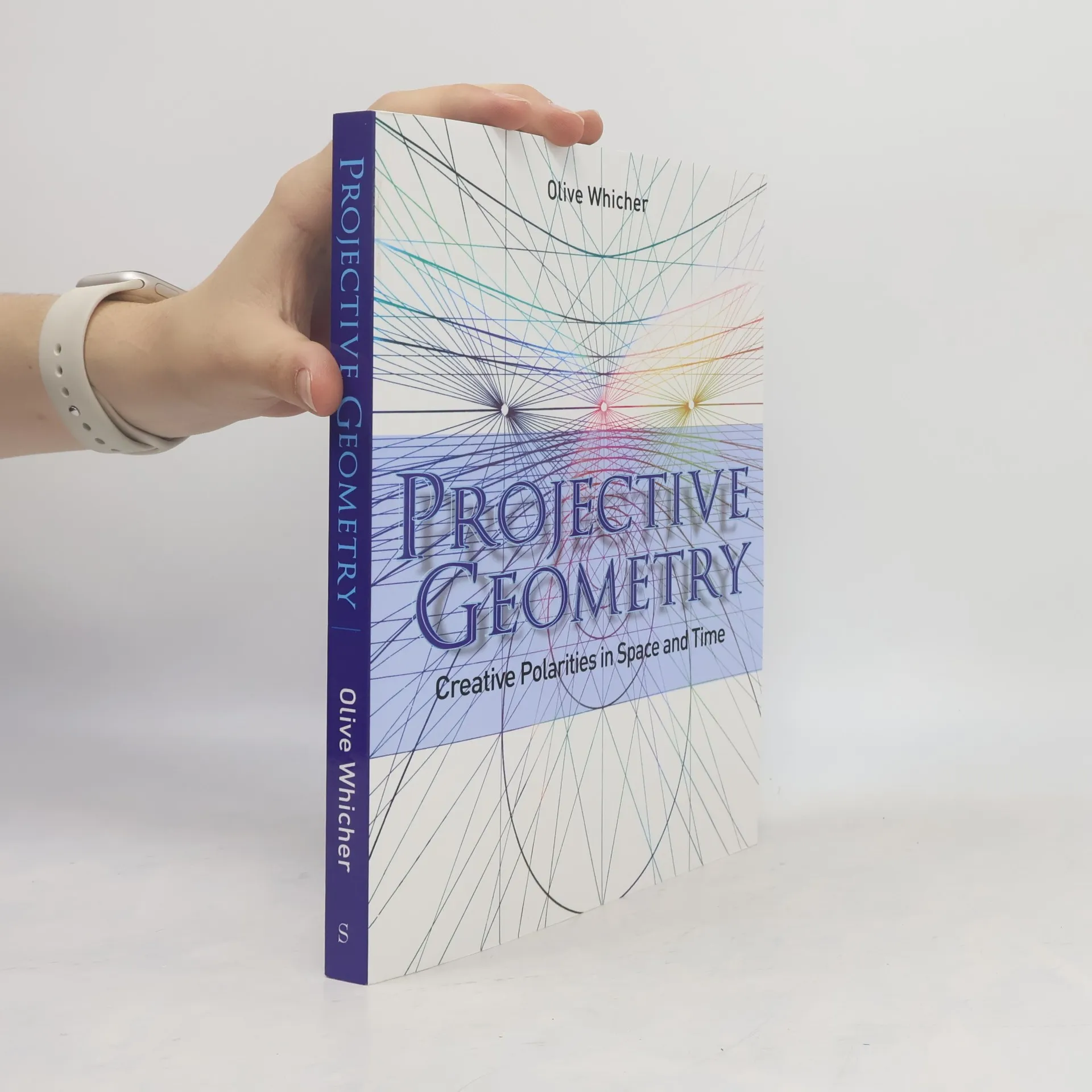
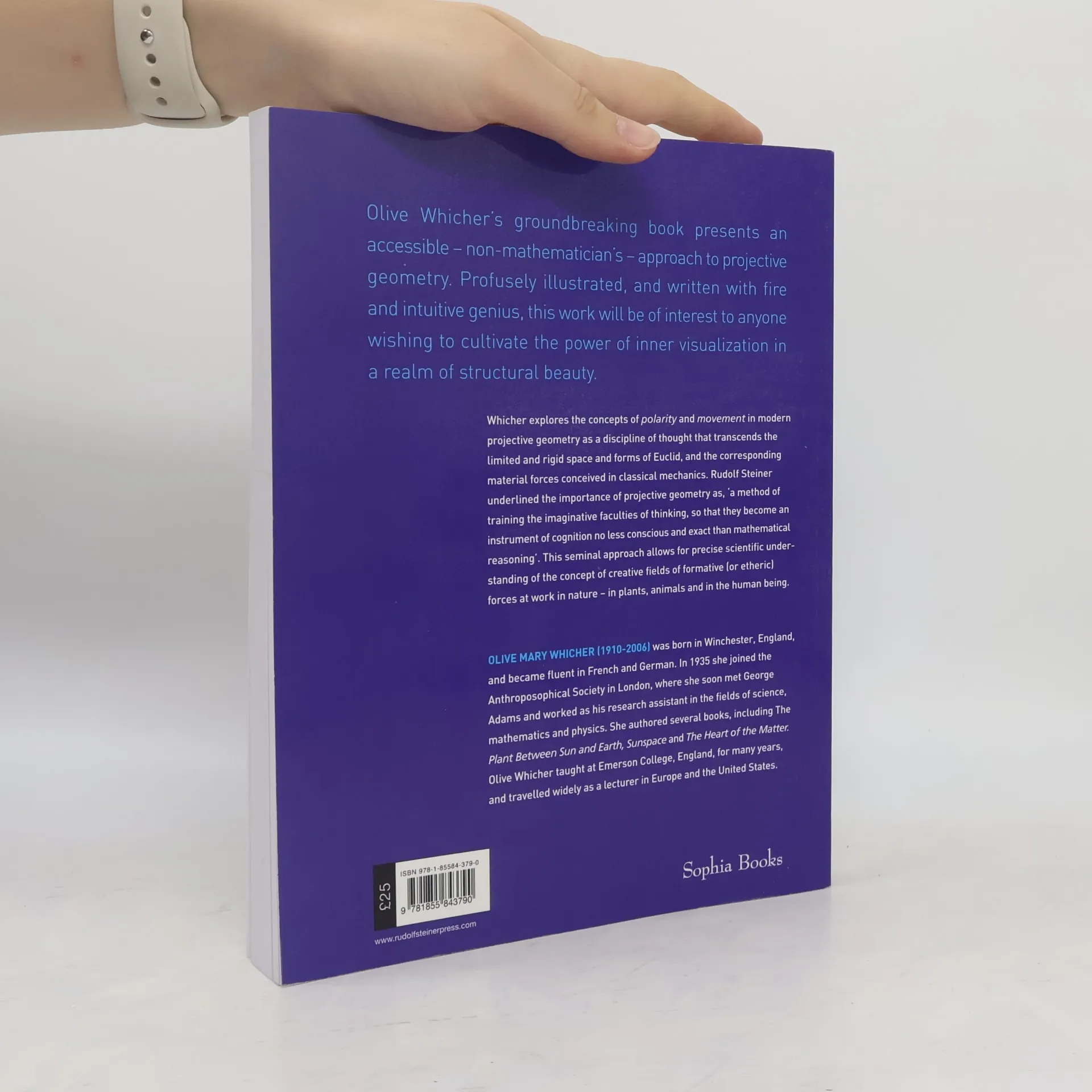
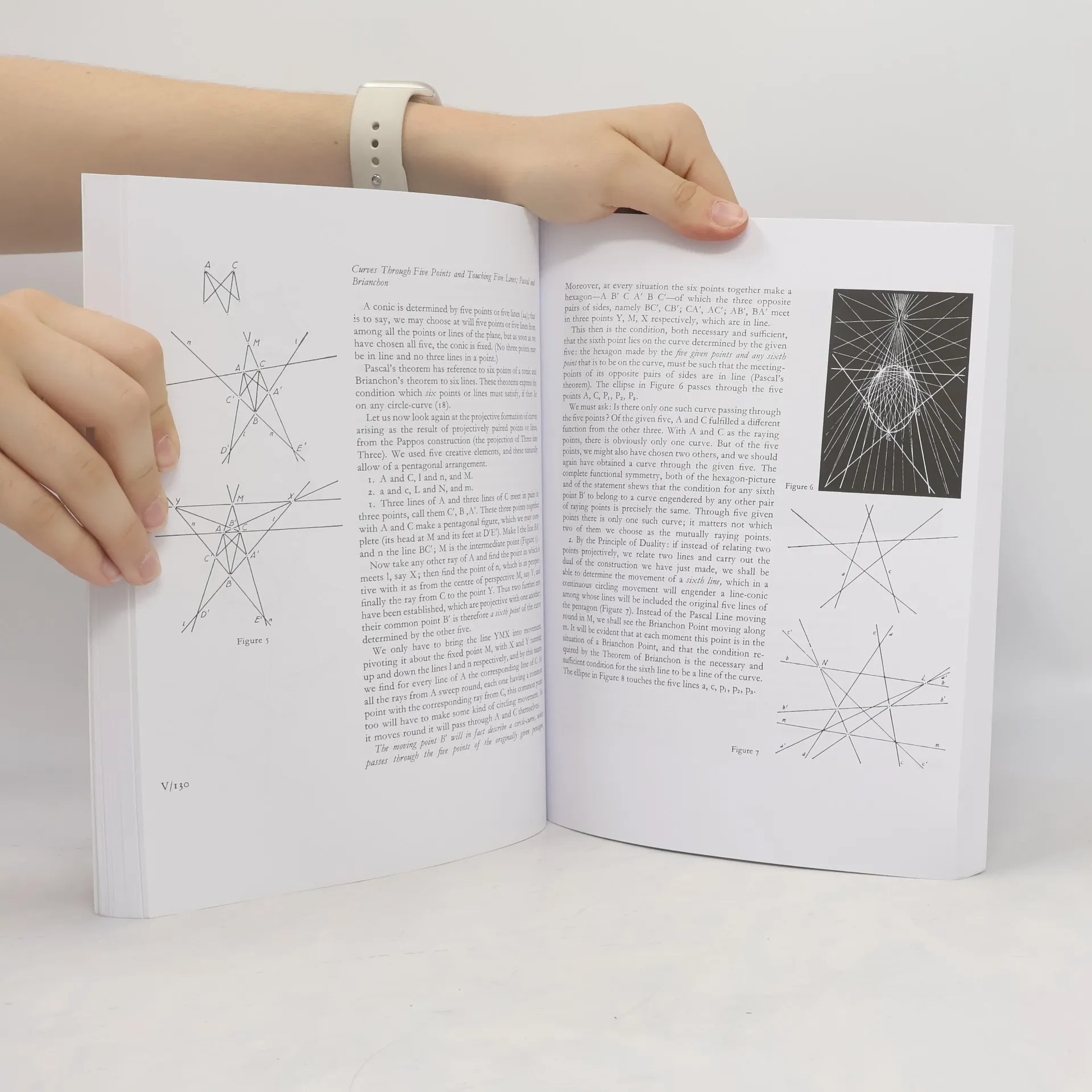
Whicher explores the concepts of polarity and movement in modern projective geometry as a discipline of thought that transcends the limited and rigid space and forms of Euclid, and the corresponding material forces conceived in classical mechanics. Rudolf Steiner underlined the importance of projective geometry as, "a method of training the imaginative faculties of thinking, so that they become an instrument of cognition no less conscious and exact than mathematical reasoning." This seminal approach allows for precise scientific understanding of the concept of creative fields of formative (etheric) forces at work in nature--in plants, animals and in the human being. Olive Whicher's groundbreaking book presents an accessible--non-mathematician's--approach to projective geometry. Profusely illustrated, and written with fire and intuitive genius, this work will be of interest to anyone wishing to cultivate the power of inner visualization in a realm of structural beauty.
Compra de libros
Projective Geometry, Olive Whicher
- Idioma

- Publicado en
- 2013
- Encuadernación
- (Tapa blanda)
Métodos de pago
Nadie lo ha calificado todavía.
- Título
- Projective Geometry
- Idioma
- Inglés
- Autores
- Olive Whicher
- Editorial
- Rudolf Steiner Press
- Publicado en
- 2013
- Formato
- Tapa blanda
- Páginas
- 292
- ISBN10
- 185584379X
- ISBN13
- 9781855843790
- Serie
- Etiquetas
- Naturaleza
- Descripción
- Whicher explores the concepts of polarity and movement in modern projective geometry as a discipline of thought that transcends the limited and rigid space and forms of Euclid, and the corresponding material forces conceived in classical mechanics. Rudolf Steiner underlined the importance of projective geometry as, "a method of training the imaginative faculties of thinking, so that they become an instrument of cognition no less conscious and exact than mathematical reasoning." This seminal approach allows for precise scientific understanding of the concept of creative fields of formative (etheric) forces at work in nature--in plants, animals and in the human being. Olive Whicher's groundbreaking book presents an accessible--non-mathematician's--approach to projective geometry. Profusely illustrated, and written with fire and intuitive genius, this work will be of interest to anyone wishing to cultivate the power of inner visualization in a realm of structural beauty.