

Más información sobre el libro
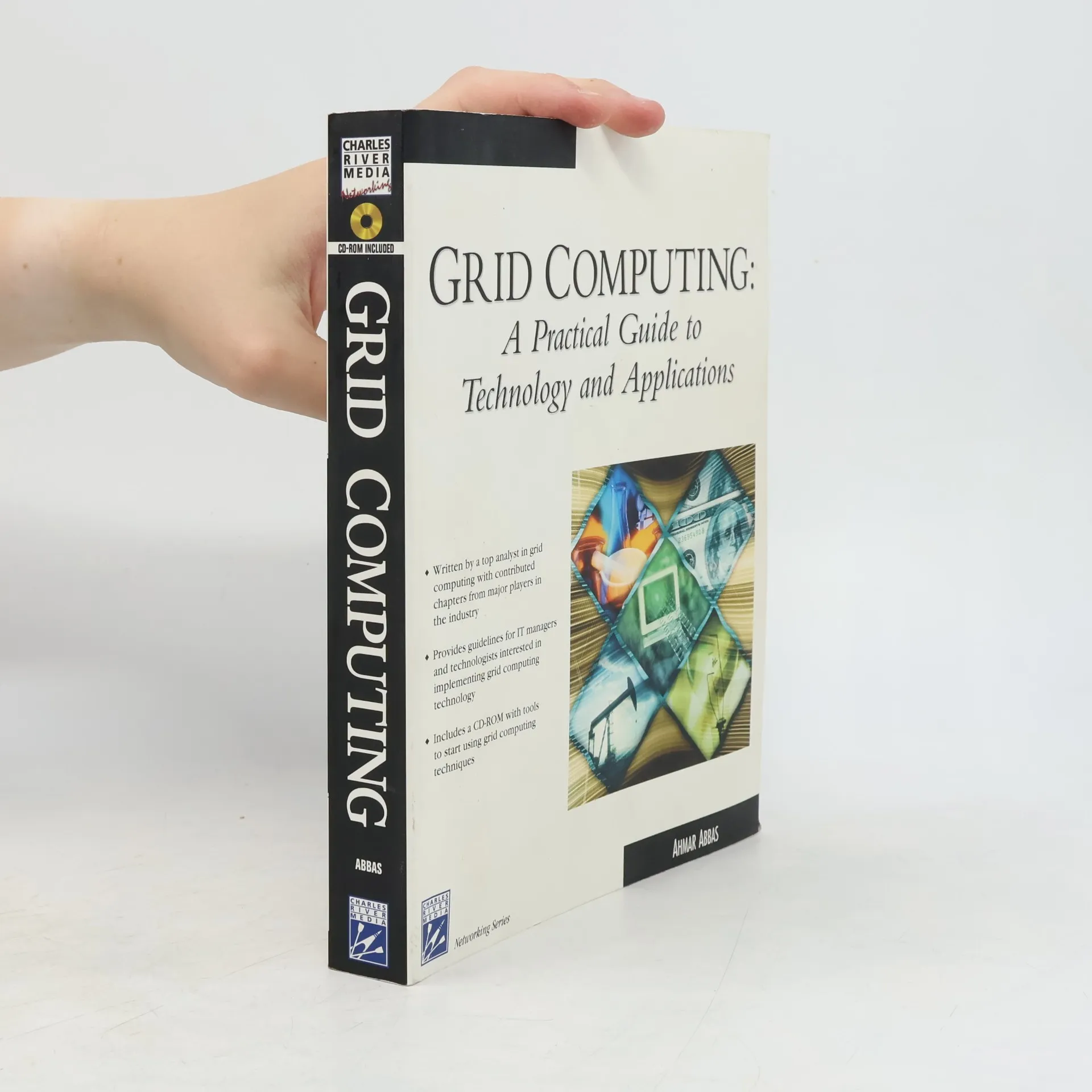
Generally speaking, grid computing seeks to unify geographically dispersed computing systems to create one large, powerful system. Over the past 20 years, grid computing has had a relatively small impact on corporate productivity, due to the substantial investment it required to deploy and maintain it. This has radically changed over the last year due to technological advancements in the industry. Numerous companies, including IBM and Sun, have begun maximizing grid computing to accomplish tasks faster and cheaper, and the productivity gains have been staggering. If the trend continues, all IT professionals will need to have a solid understanding of grid computing technology in order to remain competitive in their field. This book provides IT professionals with a clear, readable, and pragmatic overview to all aspects of grid computing technology, with hands-on guidelines on implementing a workable grid-computing system. Beginning with a thorough history of the technology, the book then delves into the key components including security, Web services, sensor grids, data grids, globus, and much more. The last section of the book is devoted to creating industry-specific grid computing applications. Throughout the book are numerous contributed chapters from grid computing experts.
Compra de libros
Grid Computing, Ahmar Abbas
- Idioma

- Publicado en
- 2004
- Encuadernación
- (Tapa blanda)
Métodos de pago
Nadie lo ha calificado todavía.
- Título
- Grid Computing
- Subtítulo
- Practical Guide to Technology & Applications
- Idioma
- Inglés
- Autores
- Ahmar Abbas
- Editorial
- Charles River Media
- Publicado en
- 2004
- Formato
- Tapa blanda
- Páginas
- 300
- ISBN10
- 1584502762
- ISBN13
- 9781584502760
- Serie
- Etiquetas
- EE.UU., Desarrollo de Software
- Descripción
- Generally speaking, grid computing seeks to unify geographically dispersed computing systems to create one large, powerful system. Over the past 20 years, grid computing has had a relatively small impact on corporate productivity, due to the substantial investment it required to deploy and maintain it. This has radically changed over the last year due to technological advancements in the industry. Numerous companies, including IBM and Sun, have begun maximizing grid computing to accomplish tasks faster and cheaper, and the productivity gains have been staggering. If the trend continues, all IT professionals will need to have a solid understanding of grid computing technology in order to remain competitive in their field. This book provides IT professionals with a clear, readable, and pragmatic overview to all aspects of grid computing technology, with hands-on guidelines on implementing a workable grid-computing system. Beginning with a thorough history of the technology, the book then delves into the key components including security, Web services, sensor grids, data grids, globus, and much more. The last section of the book is devoted to creating industry-specific grid computing applications. Throughout the book are numerous contributed chapters from grid computing experts.