



Más información sobre el libro
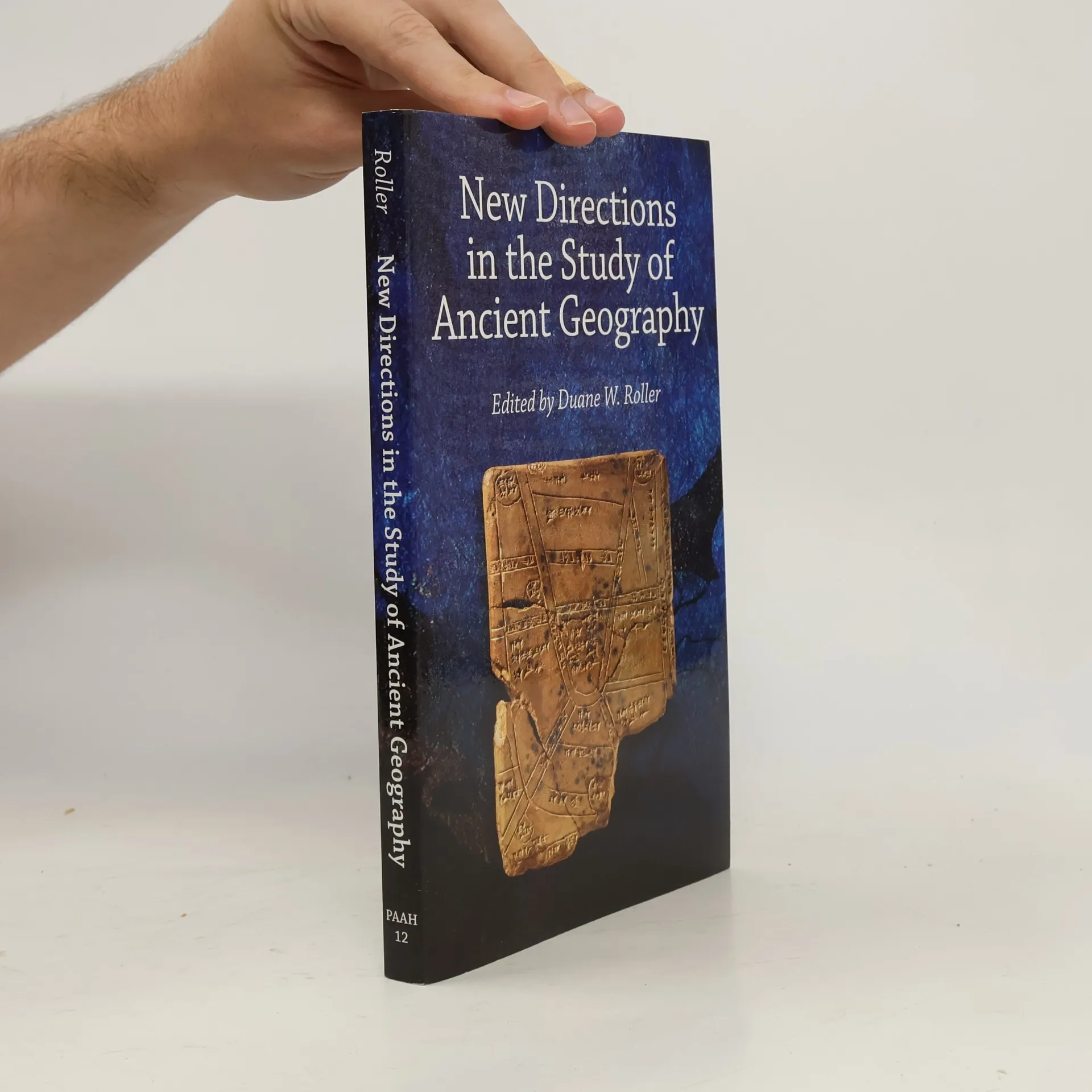
This volume features five essays that explore the latest developments in the study of geography in classical antiquity, spanning several centuries of ancient geographical scholarship from Mesopotamia to the Roman Empire. Topics include ancient cosmology, literary interpretations of geography, navigation, and the geographical context of the Roman Imperial world. Paul T. Keyser begins with an examination of how Greek scholars were influenced by early Near Eastern cosmological beliefs. Duane W. Roller follows with a text and commentary on a navigational guide for Ptolemaic seamen, authored by Timosthenes of Rhodes, chief of naval staff under Ptolemy II. Georgia L. Irby analyzes the literary map of the Shield of Aeneas from Vergil's Aeneid and studies Pomponius Mela's Chorographia, the earliest surviving Greco-Roman geographical treatise. Molly Ayn Jones-Lewis concludes with an exploration of Tacitus's Germania, emphasizing its reliance on environmental determinism, a theme still pertinent today. Collectively, these essays highlight the rich diversity of ancient geographical scholarship, appealing to ancient historians and scholars in classical studies, especially those interested in the cultural and political dimensions of geography.
Compra de libros
New Directions in the Study of Ancient Geography, Duane W. Roller
- Idioma

- Publicado en
- 2020
- Encuadernación
- (Tapa blanda)
Métodos de pago
Nadie lo ha calificado todavía.
- Título
- New Directions in the Study of Ancient Geography
- Idioma
- Inglés
- Autores
- Duane W. Roller
- Editorial
- Eisenbrauns
- Publicado en
- 2020
- Formato
- Tapa blanda
- Páginas
- 208
- ISBN10
- 1734003103
- ISBN13
- 9781734003109
- Serie
- Etiquetas
- Tema histórico, Otra historia, Antigüedad
- Descripción
- This volume features five essays that explore the latest developments in the study of geography in classical antiquity, spanning several centuries of ancient geographical scholarship from Mesopotamia to the Roman Empire. Topics include ancient cosmology, literary interpretations of geography, navigation, and the geographical context of the Roman Imperial world. Paul T. Keyser begins with an examination of how Greek scholars were influenced by early Near Eastern cosmological beliefs. Duane W. Roller follows with a text and commentary on a navigational guide for Ptolemaic seamen, authored by Timosthenes of Rhodes, chief of naval staff under Ptolemy II. Georgia L. Irby analyzes the literary map of the Shield of Aeneas from Vergil's Aeneid and studies Pomponius Mela's Chorographia, the earliest surviving Greco-Roman geographical treatise. Molly Ayn Jones-Lewis concludes with an exploration of Tacitus's Germania, emphasizing its reliance on environmental determinism, a theme still pertinent today. Collectively, these essays highlight the rich diversity of ancient geographical scholarship, appealing to ancient historians and scholars in classical studies, especially those interested in the cultural and political dimensions of geography.