





Más información sobre el libro
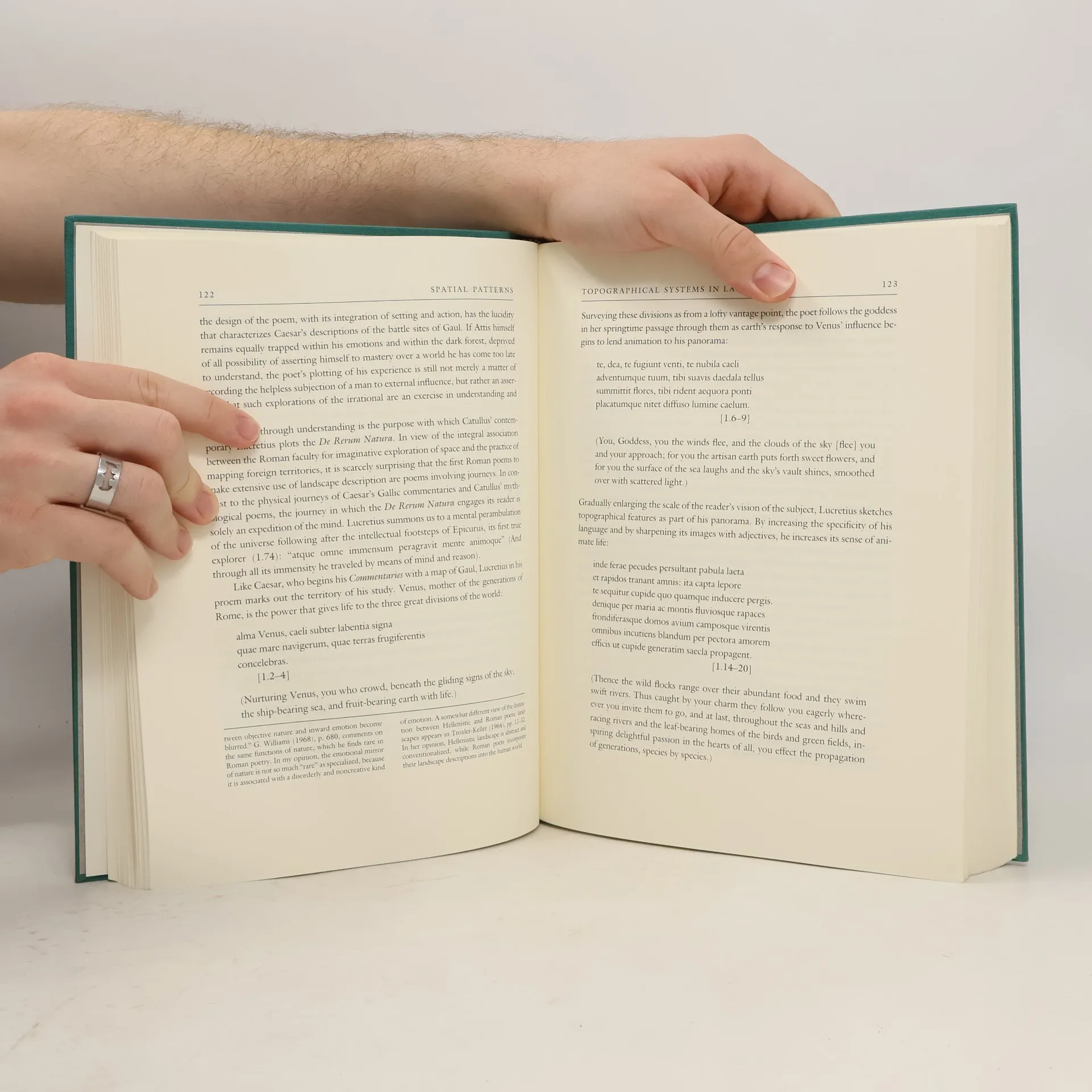
The Romans were fascinated with landscape--with a love for the organization of space that can be seen as clearly in their pictorial arts as in their arrangement of public and private architecture. In this interdisciplinary work Eleanor Leach links the depiction of landscape in Roman literature and in Roman painting during a formative period of Roman art. In relating the two fields, she focuses on the response of audiences, particularly the way in which perceptions shaped by one of the arts are transferred to the other.The persuasive rhetorical orientation of much Roman art assigns the spectator a vital role. To study that role, Leach brings contemporary semiotic methodology to bear on ancient rhetorical theory. First she contrasts landscapes that fulfill a narrative function, such as those in the Odyssey Frieze and Vergil's Aeneid, with cartographic landscapes used for informational purposes. She then considers the two Augustan genres of sacral-idyllic and architectural landscape. Finally she discusses the reader's contribution to the understanding of mythological narrative painting, and, conversely, the way in which certain Roman authors incorporate visual imagery into their mythological allusions and narratives to control the reader's point of view.
Compra de libros
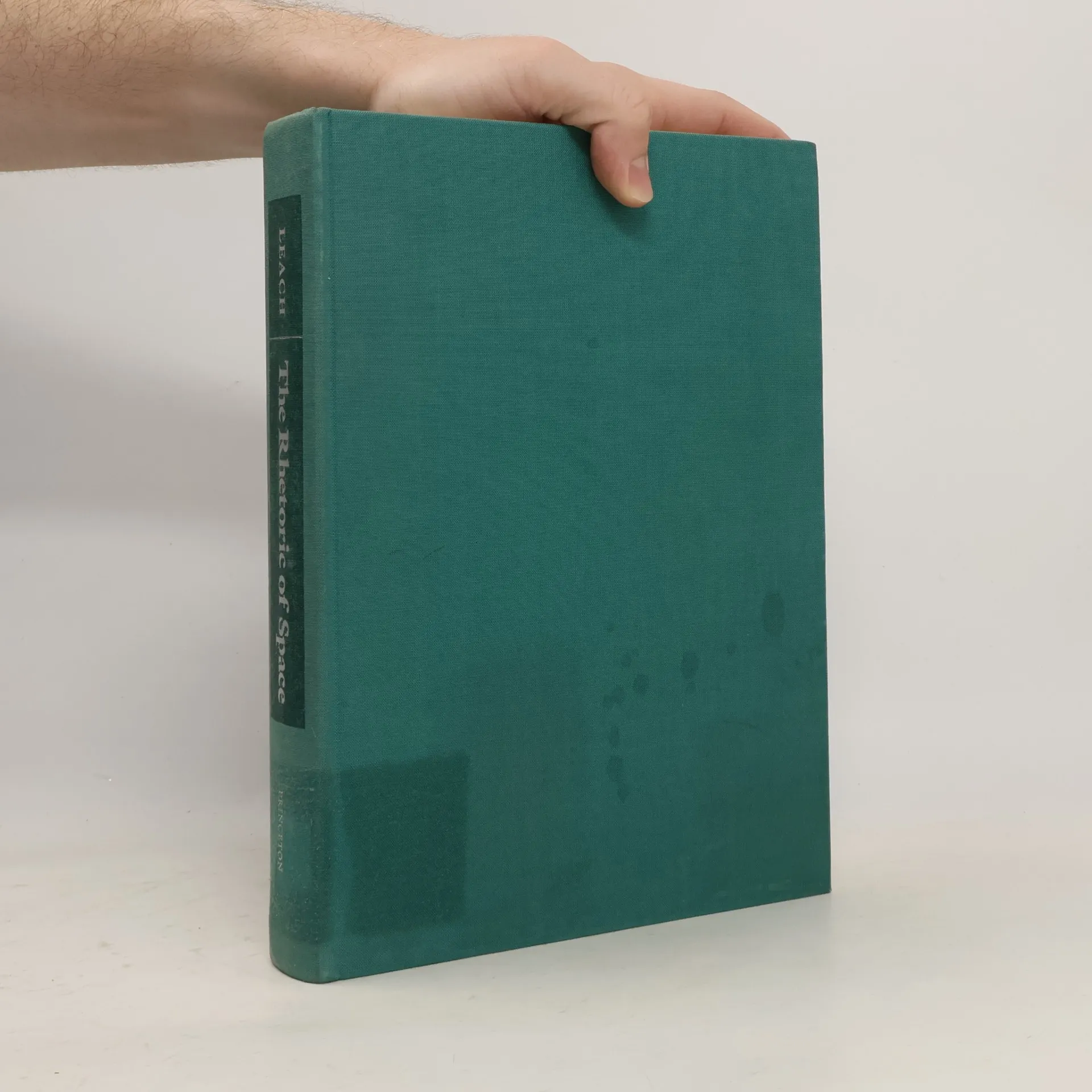
The Rhetoric of Space, Eleanor Winsor Leach
- Idioma

- Publicado en
- 1988
- Encuadernación
- (Tapa dura),
- Estado del libro
- Dañado
- Precio
- 6,04 €
Métodos de pago
Nadie lo ha calificado todavía.
- Título
- The Rhetoric of Space
- Subtítulo
- Literary and Artistic Representations of Landscape in Republican Augustan Rome
- Idioma
- Inglés
- Autores
- Eleanor Winsor Leach
- Editorial
- Princeton University Press
- Publicado en
- 1988
- Formato
- Tapa dura
- Páginas
- 492
- ISBN10
- 0691042373
- ISBN13
- 9780691042374
- Serie
- Etiquetas
- Tema histórico, Arquitectura, Retórica
- Descripción
- The Romans were fascinated with landscape--with a love for the organization of space that can be seen as clearly in their pictorial arts as in their arrangement of public and private architecture. In this interdisciplinary work Eleanor Leach links the depiction of landscape in Roman literature and in Roman painting during a formative period of Roman art. In relating the two fields, she focuses on the response of audiences, particularly the way in which perceptions shaped by one of the arts are transferred to the other.The persuasive rhetorical orientation of much Roman art assigns the spectator a vital role. To study that role, Leach brings contemporary semiotic methodology to bear on ancient rhetorical theory. First she contrasts landscapes that fulfill a narrative function, such as those in the Odyssey Frieze and Vergil's Aeneid, with cartographic landscapes used for informational purposes. She then considers the two Augustan genres of sacral-idyllic and architectural landscape. Finally she discusses the reader's contribution to the understanding of mythological narrative painting, and, conversely, the way in which certain Roman authors incorporate visual imagery into their mythological allusions and narratives to control the reader's point of view.