

Más información sobre el libro
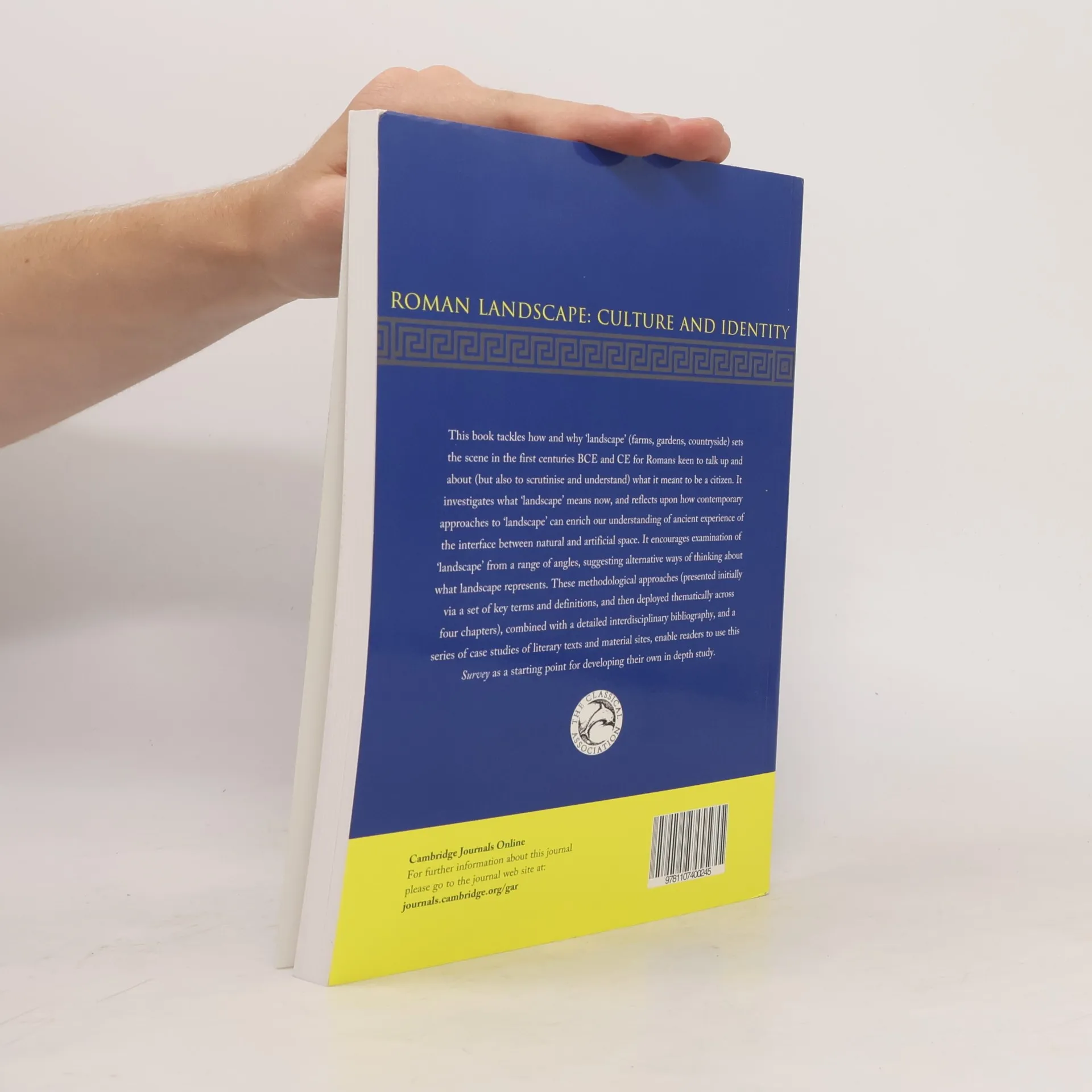
This book tackles how and why 'landscape' (farms, gardens, countryside) set the scene in the first centuries BCE and CE for Romans keen to talk up and about (but also to scrutinize and understand) what it meant to be a citizen. It investigates what 'landscape' means now and reflects upon how contemporary approaches to 'landscape' can enrich our understanding of ancient experience of the interface between natural and artificial space. It encourages examination of 'landscape' from a range of angles, suggesting alternative ways of thinking about what landscape represents. These methodological approaches (presented initially via a set of key terms and definitions and then deployed thematically across four chapters), combined with a detailed interdisciplinary bibliography and a series of case studies of literary texts and material sites, enable readers to use this survey as a starting point for developing their own in-depth study.
Compra de libros
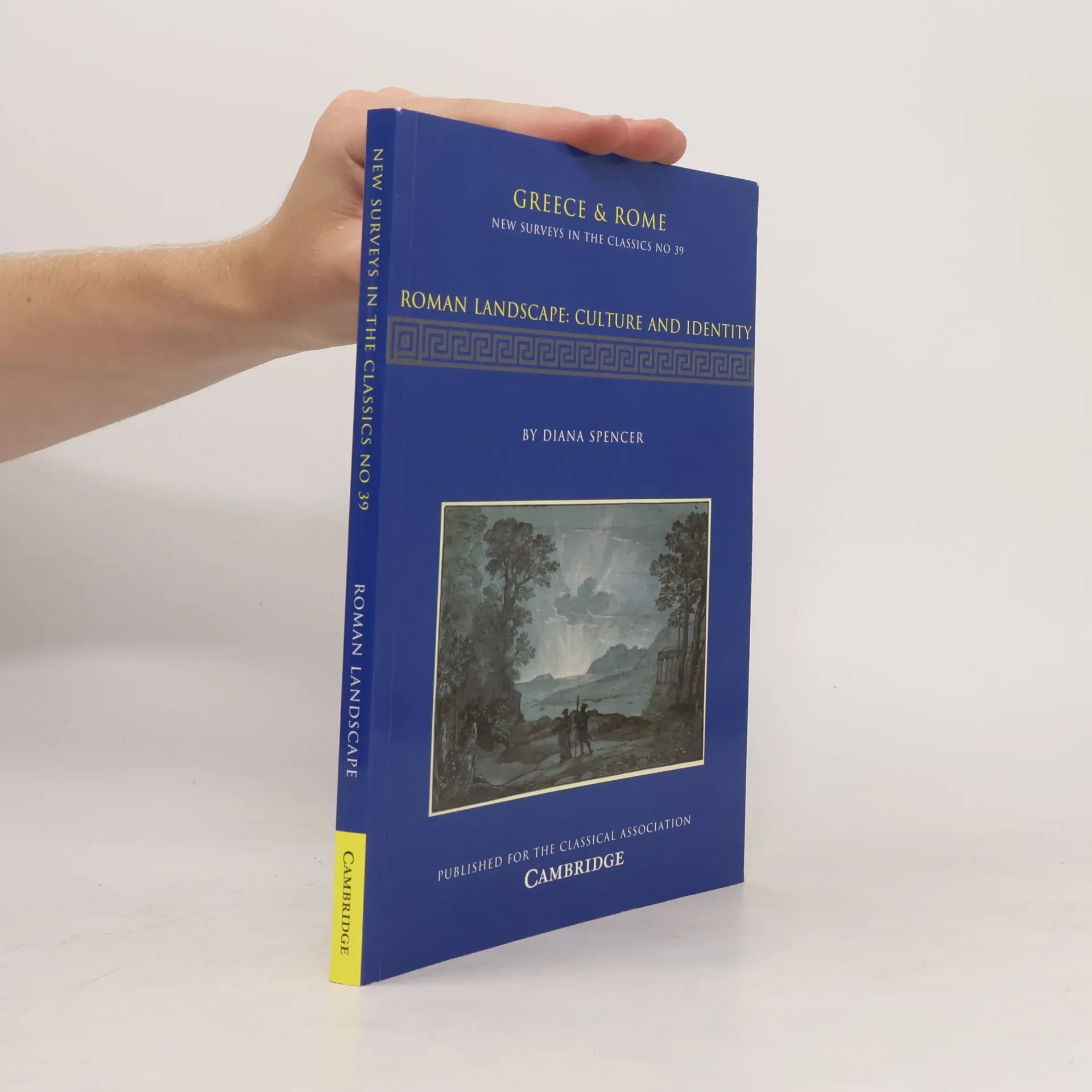
Roman Landscape, Diana Spencer
- Idioma

- Publicado en
- 2010
- Encuadernación
- (Tapa blanda),
- Estado del libro
- Bueno
- Precio
- 7,39 €
Métodos de pago
Nadie lo ha calificado todavía.
- Título
- Roman Landscape
- Subtítulo
- Culture and Identity
- Idioma
- Inglés
- Autores
- Diana Spencer
- Editorial
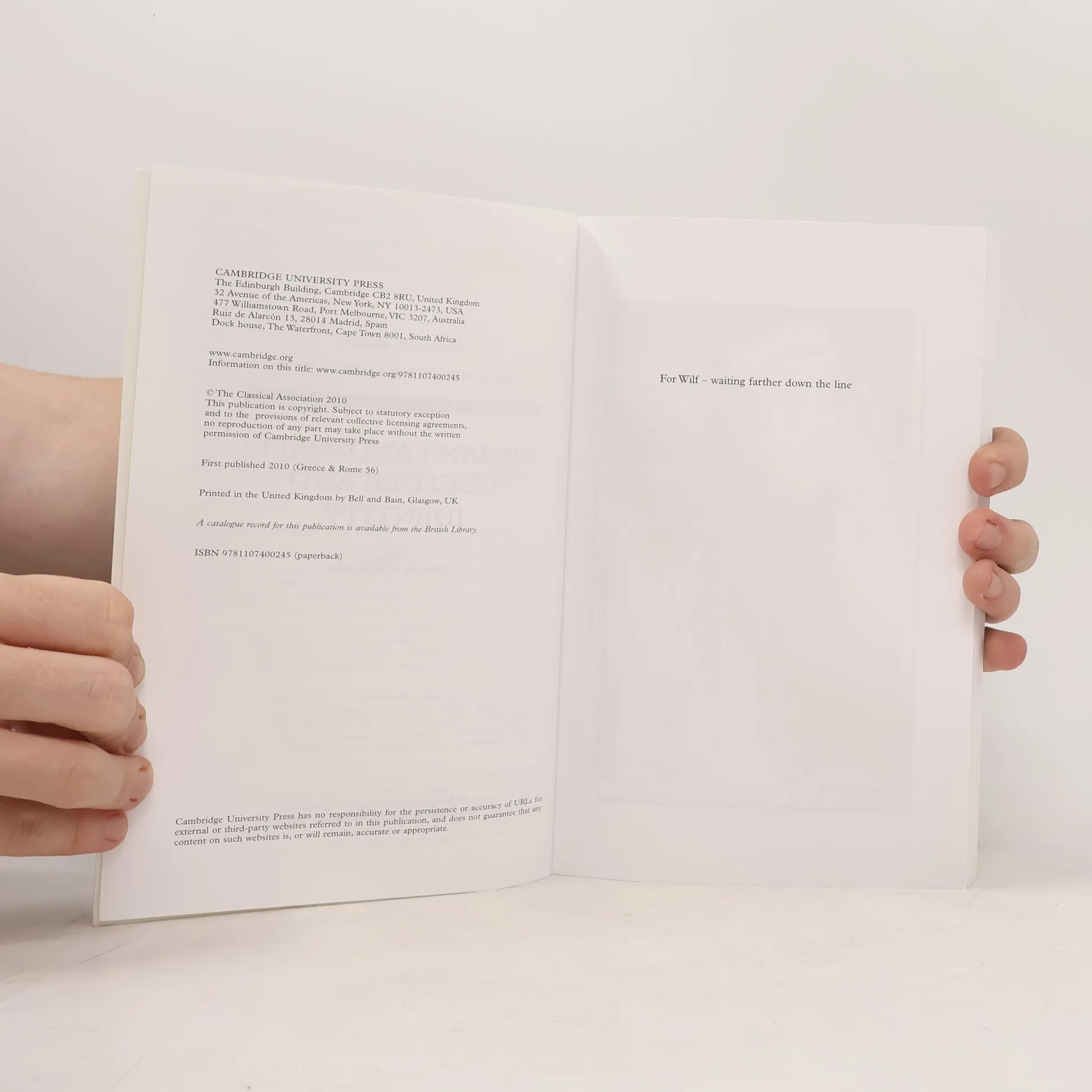
- Cambridge University Press
- Publicado en
- 2010
- Formato
- Tapa blanda
- Páginas
- 236
- ISBN10
- 1107400244
- ISBN13
- 9781107400245
- Serie
- Etiquetas
- Antigüedad, Roma, Paisaje
- Descripción
- This book tackles how and why 'landscape' (farms, gardens, countryside) set the scene in the first centuries BCE and CE for Romans keen to talk up and about (but also to scrutinize and understand) what it meant to be a citizen. It investigates what 'landscape' means now and reflects upon how contemporary approaches to 'landscape' can enrich our understanding of ancient experience of the interface between natural and artificial space. It encourages examination of 'landscape' from a range of angles, suggesting alternative ways of thinking about what landscape represents. These methodological approaches (presented initially via a set of key terms and definitions and then deployed thematically across four chapters), combined with a detailed interdisciplinary bibliography and a series of case studies of literary texts and material sites, enable readers to use this survey as a starting point for developing their own in-depth study.