

Parámetros
- 384 páginas
- 14 horas de lectura
Más información sobre el libro
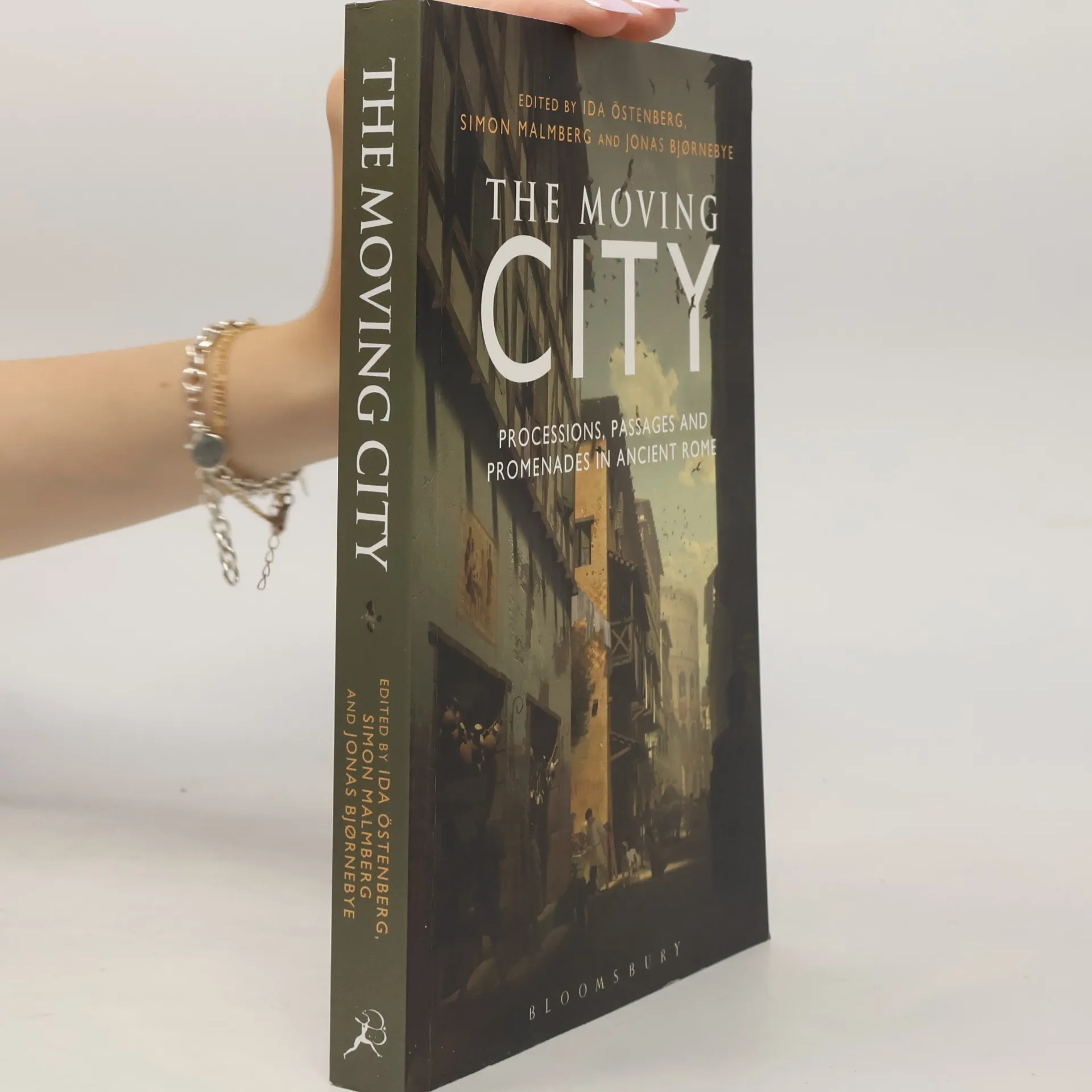
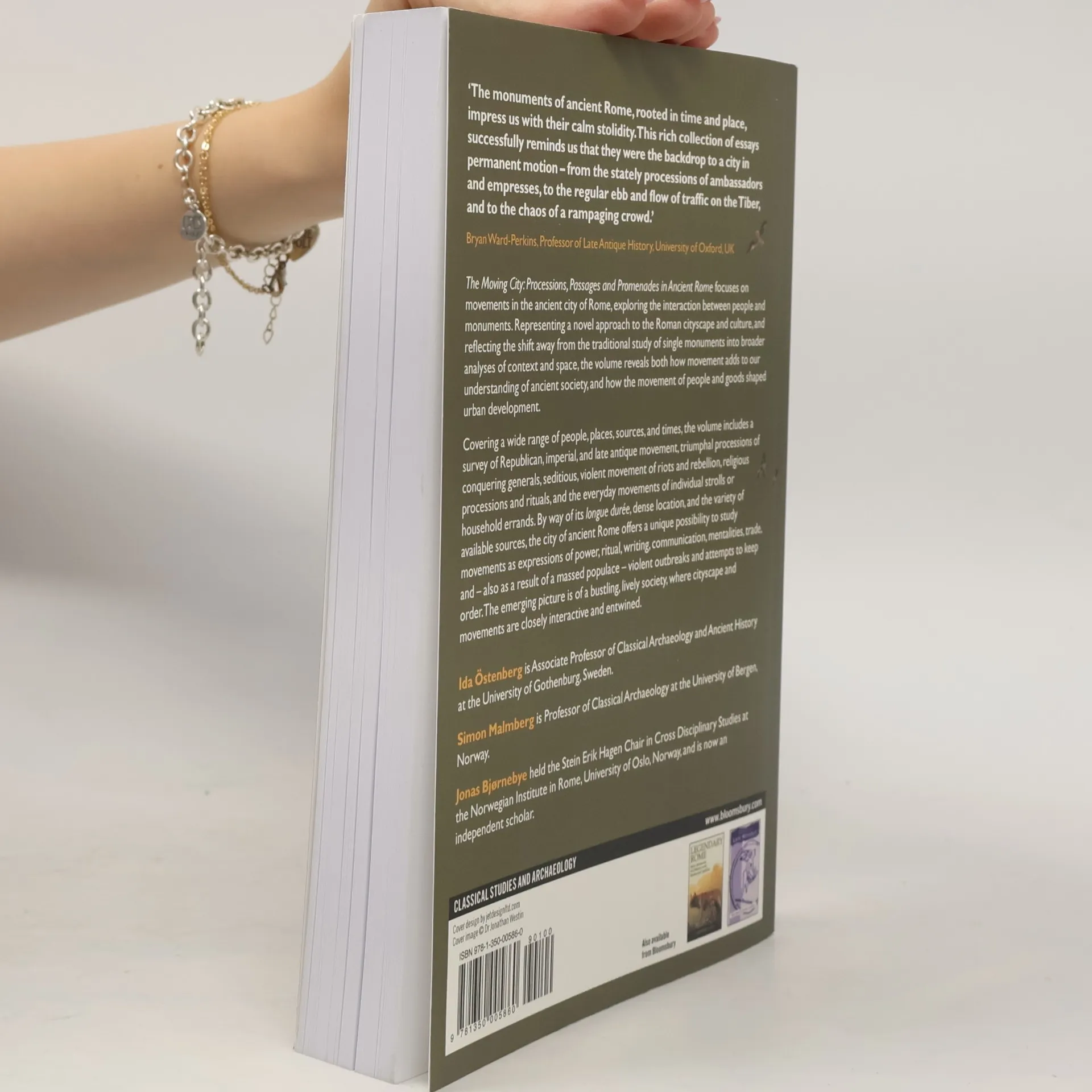
The Moving City: Processions, Passages and Promenades in Ancient Rome focusses on movements in the ancient city of Rome, exploring the interaction between people and monuments. Representing a novel approach to the Roman cityscape and culture, and reflecting the shift away from the traditional study of single monuments into broader analyses of context and space, the volume reveals both how movement adds to our understanding of ancient society, and how the movement of people and goods shaped urban development. Covering a wide range of people, places, sources, and times, the volume includes a survey of Republican, imperial, and late antique movement, triumphal processions of conquering generals, seditious, violent movement of riots and rebellion, religious processions and rituals and the everyday movements of individual strolls or household errands. By way of its longue durée, dense location and the variety of available sources, the city of ancient Rome offers a unique possibility to study movements as expressions of power, ritual, writing, communication, mentalities, trade, and – also as a result of a massed populace – violent outbreaks and attempts to keep order. The emerging picture is of a bustling, lively society, where cityscape and movements are closely interactive and entwined.
Compra de libros
The Moving City, Ida Östenberg, Simon Malmberg, Jonas Bjørnebye
- Idioma

- Publicado en
- 2016
- Encuadernación
- (Tapa blanda)
Métodos de pago
Nadie lo ha calificado todavía.
- Título
- The Moving City
- Idioma
- Inglés
- Autores
- Ida Östenberg, Simon Malmberg, Jonas Bjørnebye
- Editorial
- Bloomsbury Publishing PLC
- Publicado en
- 2016
- Formato
- Tapa blanda
- Páginas
- 384
- ISBN10
- 135000586X
- ISBN13
- 9781350005860
- Serie
- Etiquetas
- Tema histórico, Europa, Antigüedad, Historia de Europa, Teorías Políticas, Arqueología, Roma, Derecho Civil, Antigua Roma
- Descripción
- The Moving City: Processions, Passages and Promenades in Ancient Rome focusses on movements in the ancient city of Rome, exploring the interaction between people and monuments. Representing a novel approach to the Roman cityscape and culture, and reflecting the shift away from the traditional study of single monuments into broader analyses of context and space, the volume reveals both how movement adds to our understanding of ancient society, and how the movement of people and goods shaped urban development. Covering a wide range of people, places, sources, and times, the volume includes a survey of Republican, imperial, and late antique movement, triumphal processions of conquering generals, seditious, violent movement of riots and rebellion, religious processions and rituals and the everyday movements of individual strolls or household errands. By way of its longue durée, dense location and the variety of available sources, the city of ancient Rome offers a unique possibility to study movements as expressions of power, ritual, writing, communication, mentalities, trade, and – also as a result of a massed populace – violent outbreaks and attempts to keep order. The emerging picture is of a bustling, lively society, where cityscape and movements are closely interactive and entwined.