




Más información sobre el libro
In the Roman Empire, travelling was something of a central feature, facilitating commerce, pilgrimage, study abroad, tourism, and ethnographic explorations. The present volume investigates for the first time intellectual aspects of this phenomenon by giving equal attention to pagan, Jewish, and Christian perspectives. A team of experts from different fields argues that journeys helped construct cultural identities and negotiate between the local and the particular on the one hand, and wider imperial discourses on the other. A special point of interest is the question of how Rome engages the attention of intellectuals from the Greek East and offers new opportunities of self-fashioning. Pagans, Jews, and Christians shared similar experiences and constructed comparable identities in dialogue, sometimes polemics, with each other. The collection addresses the following themes: real and imagined geography, reconstructing encounters in distant places, between the bodily and the holy, Jesus' travels from different perspectives, and destination Rome. The articles in each section are arranged in chronological order, ranging from early imperial texts to rabbinic and patristic literature.
Compra de libros
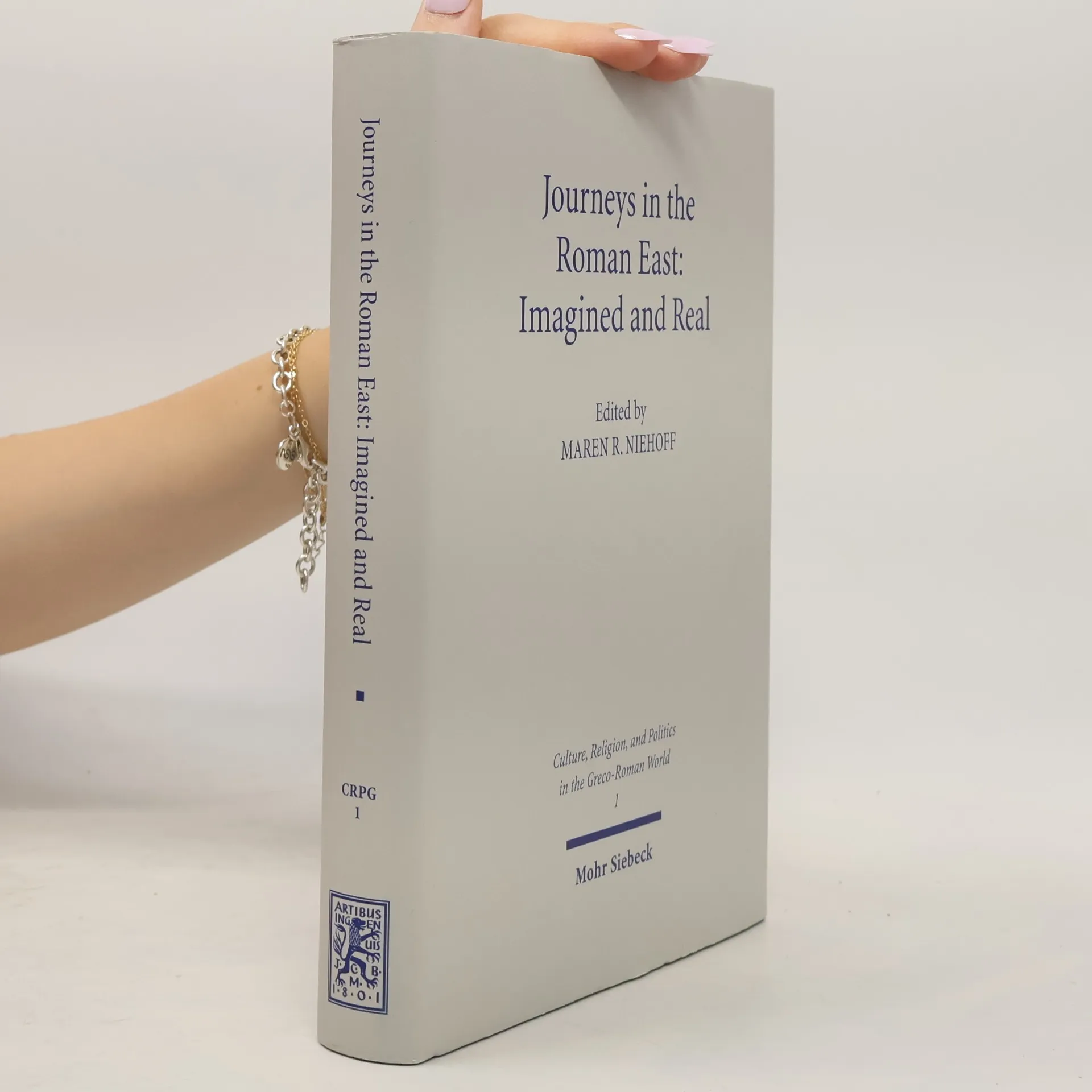
Culture, Religion, and Politics in the Greco-Roman World - 1: Journeys in the Roman East: Imagined and Real, Maren R. Niehoff
- Idioma

- Publicado en
- 2017
- Encuadernación
- (Tapa dura),
- Estado del libro
- Dañado
- Precio
- 27,93 €
Métodos de pago
Nadie lo ha calificado todavía.
- Título
- Culture, Religion, and Politics in the Greco-Roman World - 1: Journeys in the Roman East: Imagined and Real
- Idioma
- Inglés
- Autores
- Maren R. Niehoff
- Editorial
- Mohr Siebeck
- Publicado en
- 2017
- Formato
- Tapa dura
- Páginas
- 440
- ISBN10
- 3161551117
- ISBN13
- 9783161551116
- Serie
- Etiquetas
- Tema histórico, Temas religiosos, Temática filosófica, Cristianismo, Alemania, Teología, Cultura y Sociedad, Antigüedad, Historia de Europa, Judíos, Literatura Judía, Identidad, Roma, Europa Occidental, Nuevo Testamento, Antigua Roma, Historia de las Religiones, Antiguo Testamento, Paganos, Paganismo, Estudios religiosos, Teología cristiana, Viajeros
- Descripción
- In the Roman Empire, travelling was something of a central feature, facilitating commerce, pilgrimage, study abroad, tourism, and ethnographic explorations. The present volume investigates for the first time intellectual aspects of this phenomenon by giving equal attention to pagan, Jewish, and Christian perspectives. A team of experts from different fields argues that journeys helped construct cultural identities and negotiate between the local and the particular on the one hand, and wider imperial discourses on the other. A special point of interest is the question of how Rome engages the attention of intellectuals from the Greek East and offers new opportunities of self-fashioning. Pagans, Jews, and Christians shared similar experiences and constructed comparable identities in dialogue, sometimes polemics, with each other. The collection addresses the following themes: real and imagined geography, reconstructing encounters in distant places, between the bodily and the holy, Jesus' travels from different perspectives, and destination Rome. The articles in each section are arranged in chronological order, ranging from early imperial texts to rabbinic and patristic literature.