

Más información sobre el libro
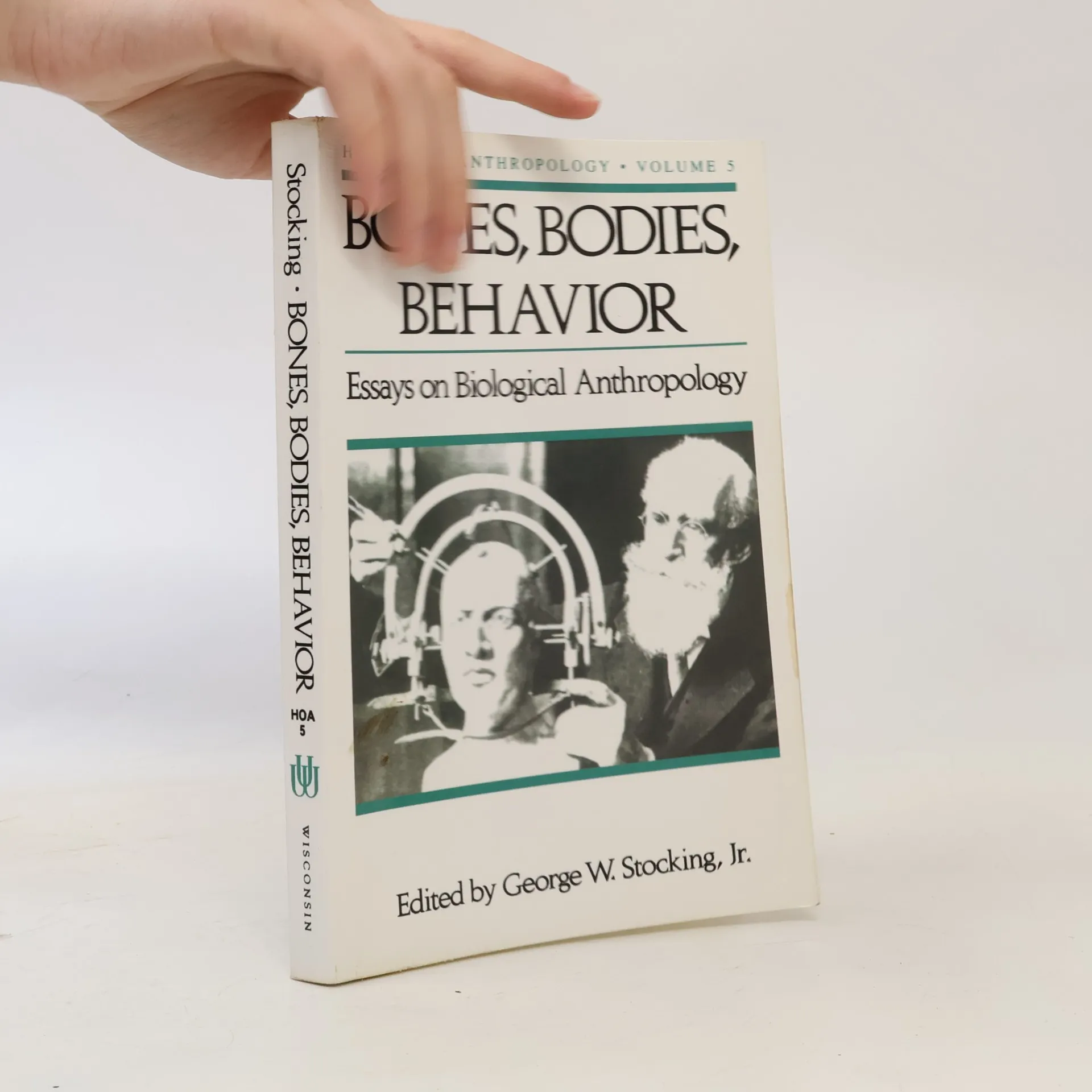
This series of annual volumes, initiated in 1983, explores significant themes in the history and current practice of anthropological inquiry. The fifth volume addresses key issues in biological or physical anthropology, including the concept of race, comparisons between animal and human minds, human evolution from primates, and the intersection of science and racial ideology. It begins with an overview of biological anthropology in the Western tradition and features seven essays that examine specific historical events from 1830 to 1980. These include the rise of the race idea in restoration France, Lewis Henry Morgan's comparative psychological theories, the Piltdown forgery and its effects on paleoanthropology, the development of physical anthropology in Nazi Germany, and the efforts by Franz Boas and others to counter racialism among British and American scientists in the late 1930s. The volume concludes with an engaging essay on the evolution of physical anthropology and primate studies in the U.S. since the UNESCO "Statements on Race" in 1950 and 1951. Contributions from a diverse group of scholars will attract students, researchers, and general readers interested in biological assumptions in anthropology, the biological foundations of human behavior, racial ideologies, and the evolution of modern human sciences.
Compra de libros
History of Anthropology - 5: Bones, Bodies, Behavior, George W. Stocking Jr.
- Idioma

- Publicado en
- 1990
- Encuadernación
- (Tapa blanda)
Métodos de pago
Nadie lo ha calificado todavía.
- Título
- History of Anthropology - 5: Bones, Bodies, Behavior
- Subtítulo
- Essays on Biological Anthropology
- Idioma
- Inglés
- Autores
- George W. Stocking Jr.
- Editorial
- University of Wisconsin Press
- Publicado en
- 1990
- Formato
- Tapa blanda
- Páginas
- 272
- ISBN10
- 0299112543
- ISBN13
- 9780299112547
- Serie
- Categorías
- Etiquetas
- Tema histórico, Ciencias naturales, Ciencia, Etnología, Biología humana
- Descripción
- This series of annual volumes, initiated in 1983, explores significant themes in the history and current practice of anthropological inquiry. The fifth volume addresses key issues in biological or physical anthropology, including the concept of race, comparisons between animal and human minds, human evolution from primates, and the intersection of science and racial ideology. It begins with an overview of biological anthropology in the Western tradition and features seven essays that examine specific historical events from 1830 to 1980. These include the rise of the race idea in restoration France, Lewis Henry Morgan's comparative psychological theories, the Piltdown forgery and its effects on paleoanthropology, the development of physical anthropology in Nazi Germany, and the efforts by Franz Boas and others to counter racialism among British and American scientists in the late 1930s. The volume concludes with an engaging essay on the evolution of physical anthropology and primate studies in the U.S. since the UNESCO "Statements on Race" in 1950 and 1951. Contributions from a diverse group of scholars will attract students, researchers, and general readers interested in biological assumptions in anthropology, the biological foundations of human behavior, racial ideologies, and the evolution of modern human sciences.