




Parámetros
- 269 páginas
- 10 horas de lectura
Más información sobre el libro
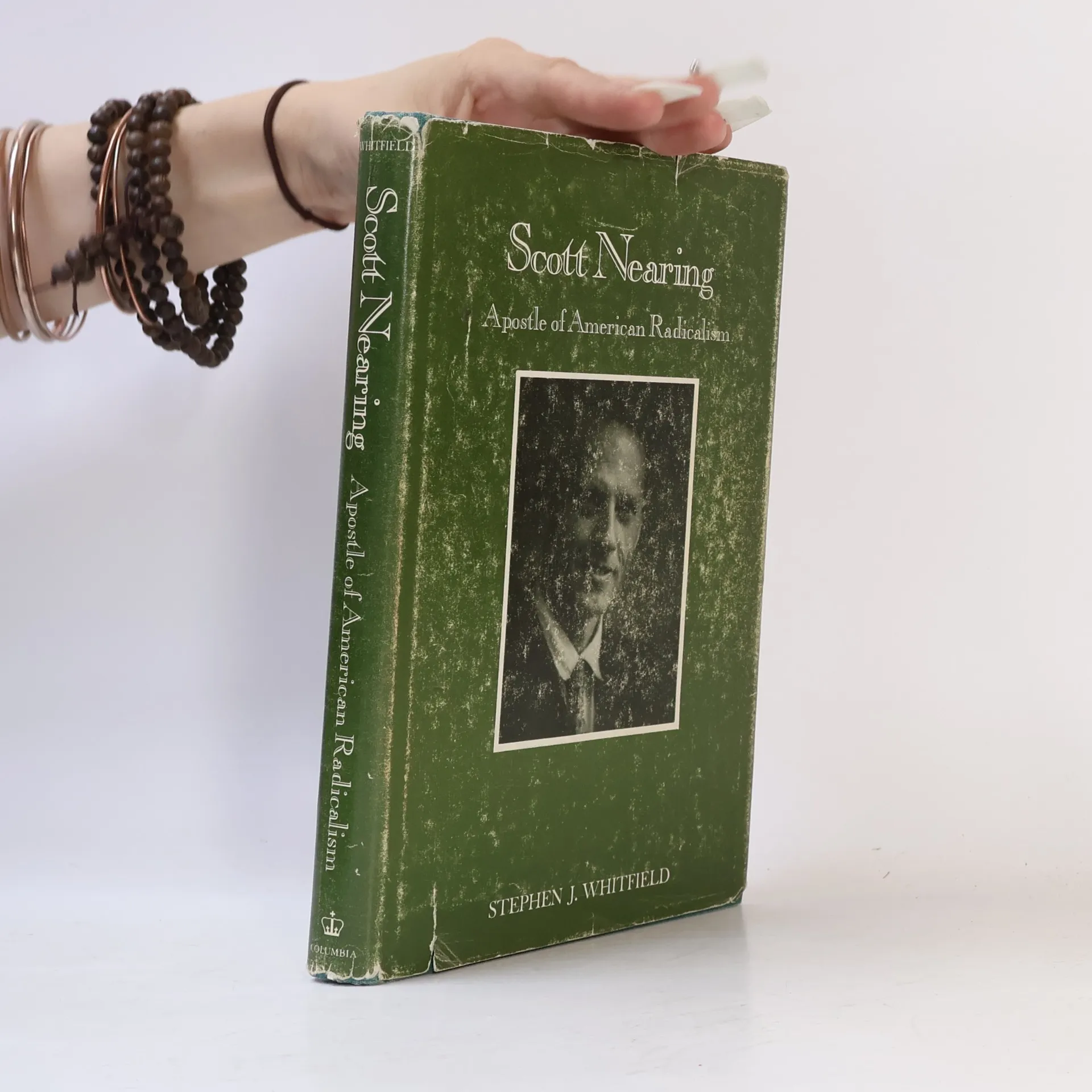
Many know of Scott Nearing in the context of his retreat from the urban environment to the simpler world of homesteading, subsistence farming, and vegetarianism, so movingly portrayed in the book written with his wife "Living the Good Life." This Scott Nearing of contemporary counter-cultural myth is a beatific nonagenarian, who has escaped the corrupt influence of American capitalist society in order to return to a natural life woven from romantic, bucolic ideals. Yet many others are aware of another, earlier aspect of Nearing's singular career; and it is to his political radicalism that Whitfield's perceptive, gracefully written biography is primarily devoted. Nearing is among the very few surviving old Progressives from the turn of the century, who moved beyond liberalism into the Socialist and then the Communist parties. He felt forced to leave the Party, however, in 1930. Nearing's extraordinary vibrancy and influence, through oratory, pamphleteering, and personal example, are depicted as illustrative of significant aspects of modern American radicalism.
Compra de libros
Scott Nearing, Stephen J. Whitfield
- Idioma

- Publicado en
- 1974
- Encuadernación
- (Tapa dura)
Métodos de pago
Nadie lo ha calificado todavía.
- Título
- Scott Nearing
- Subtítulo
- Apostle of American Radicalism
- Idioma
- Inglés
- Autores
- Stephen J. Whitfield
- Editorial
- Columbia University Press
- Publicado en
- 1974
- Formato
- Tapa dura
- Páginas
- 269
- ISBN10
- 023103816X
- ISBN13
- 9780231038164
- Serie
- Etiquetas
- Política, EE.UU., Teorías Políticas, Historia de EE. UU., Socialismo
- Descripción
- Many know of Scott Nearing in the context of his retreat from the urban environment to the simpler world of homesteading, subsistence farming, and vegetarianism, so movingly portrayed in the book written with his wife "Living the Good Life." This Scott Nearing of contemporary counter-cultural myth is a beatific nonagenarian, who has escaped the corrupt influence of American capitalist society in order to return to a natural life woven from romantic, bucolic ideals. Yet many others are aware of another, earlier aspect of Nearing's singular career; and it is to his political radicalism that Whitfield's perceptive, gracefully written biography is primarily devoted. Nearing is among the very few surviving old Progressives from the turn of the century, who moved beyond liberalism into the Socialist and then the Communist parties. He felt forced to leave the Party, however, in 1930. Nearing's extraordinary vibrancy and influence, through oratory, pamphleteering, and personal example, are depicted as illustrative of significant aspects of modern American radicalism.