



Más información sobre el libro
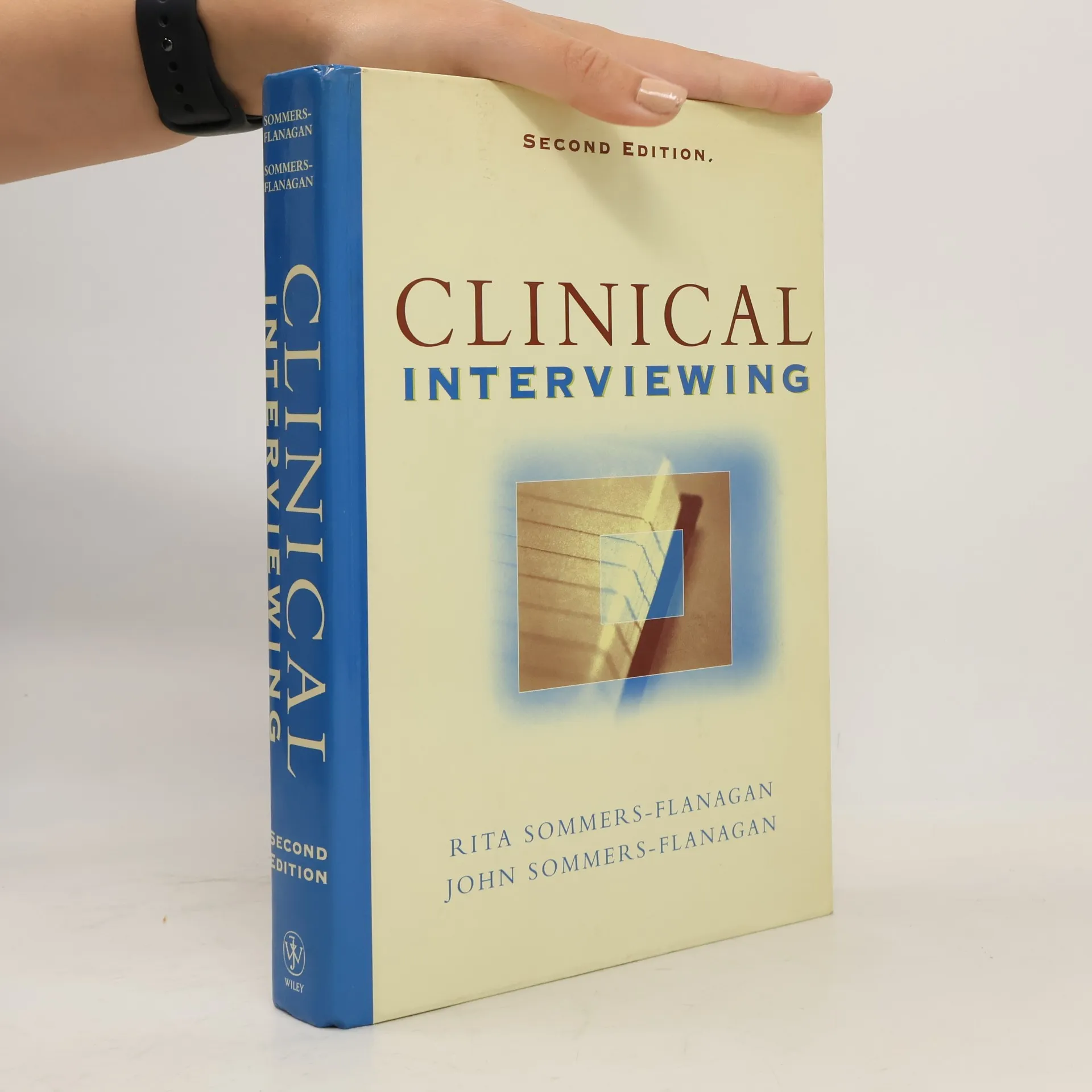
This new edition of the formerly titled Foundations of Therapeutic Interviewing combines a personal, accessible style with a focus on both the scientific and interpersonal aspects of mental health interviewing. Written from an integrative perspective, it addresses changes brought about by managed care and evolving views in the field related to DSM-IV. New chapters cover interviewing youth, couples and families, multicultural interviewing, and diagnosis and treatment planning. Acclaim for the book highlights its utility for beginning therapists, with one reviewer noting that it contains everything necessary for effective interviewing, appealing to both undergraduates and graduate students. Another praises its balance, merging philosophical foundations with practical skills and various listening approaches. The authors are commended for their meticulous attention to detail, citing the latest clinical and research literature, making the content valuable for both novice and experienced therapists. Each chapter is rich with essential information, ensuring that readers are well-equipped for their practice in counseling or social work.
Compra de libros
Clinical Interviewing, Rita Sommers-Flanagan, John Sommers-Flanagan
- Idioma

- Publicado en
- 1999
- Encuadernación
- (Tapa dura)
Métodos de pago
Nadie lo ha calificado todavía.
- Título
- Clinical Interviewing
- Subtítulo
- Second Edition
- Idioma
- Inglés
- Editorial
- WILEY
- Publicado en
- 1999
- Formato
- Tapa dura
- Páginas
- 436
- ISBN10
- 0471295671
- ISBN13
- 9780471295679
- Serie
- Etiquetas
- Escuela, Psicoterapia, Trabajo Social, Estudios de posgrado
- Descripción
- This new edition of the formerly titled Foundations of Therapeutic Interviewing combines a personal, accessible style with a focus on both the scientific and interpersonal aspects of mental health interviewing. Written from an integrative perspective, it addresses changes brought about by managed care and evolving views in the field related to DSM-IV. New chapters cover interviewing youth, couples and families, multicultural interviewing, and diagnosis and treatment planning. Acclaim for the book highlights its utility for beginning therapists, with one reviewer noting that it contains everything necessary for effective interviewing, appealing to both undergraduates and graduate students. Another praises its balance, merging philosophical foundations with practical skills and various listening approaches. The authors are commended for their meticulous attention to detail, citing the latest clinical and research literature, making the content valuable for both novice and experienced therapists. Each chapter is rich with essential information, ensuring that readers are well-equipped for their practice in counseling or social work.