



Más información sobre el libro
In the United States about 50 million people sufer from recurrent or chronic pain, and nearly 10% of adults take medication for pain daily. Further, the disease burden of pain is expected to grow, relative to other illnesses and conditions. Despite the advances in pain medicine, most physicians are not - equately trained to treat chronic or even acute pain. As in other felds of medicine, pain medicine has long been dominated by expert op- ion relying on personal expertise, and only recently has a systematic evaluation of treatments in the terms of “evidence-based medicine” been performed. And also as in other felds of medicine, a lot can be achieved in pain medicine when certain basic diagnostic and therapeutic pathways are f- lowed correctly; more than can be achieved when only a few specialists are able to treat these conditions. “Standard operating procedures” (SOPs) are supposed to be concise practical aids for clinicians, standardizing treatments, diagnostic pa- ways and procedures in one of sometimes many possible ways. Although based on the available evidence, they are not evidence-based guidelines and are not supposed to replace such guidelines. On one hand, eviden- based medicine ofen leaves many options open, since in many cases the available evidence is not sufcient to recommend a specifc option. On the other hand, there might be reasons due to clinical practice (e. g.
Compra de libros
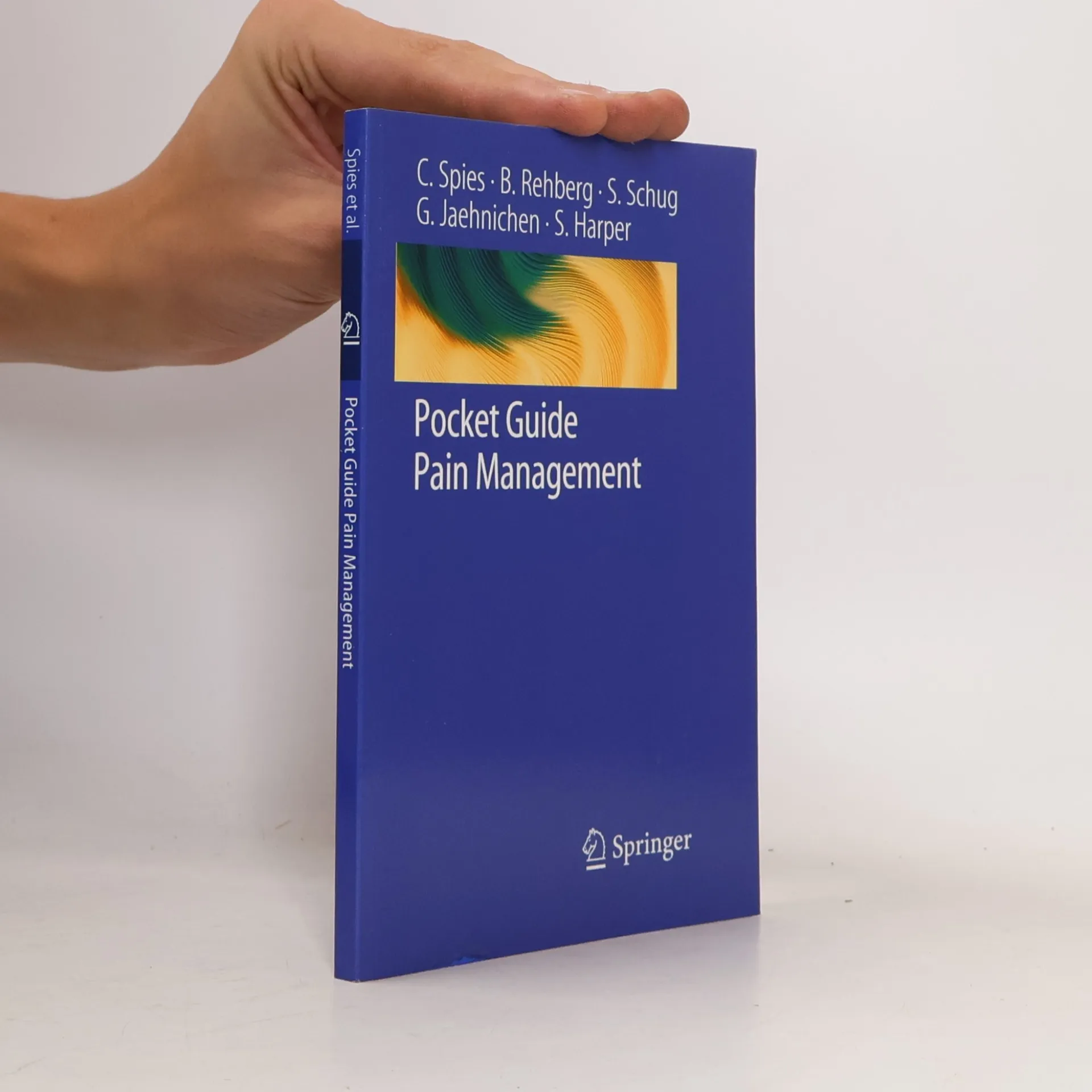
Pocket Guide Pain Management, Gunnar Jaehnichen, Stephan A. Schug, Claudia Spiess, Benno Rehberg
- Idioma

- Publicado en
- 2008
- Encuadernación
- (Tapa blanda),
- Estado del libro
- Bueno
- Precio
- 17,49 €
Métodos de pago
Nadie lo ha calificado todavía.
- Título
- Pocket Guide Pain Management
- Idioma
- Inglés
- Editorial
- Springer
- Publicado en
- 2008
- Formato
- Tapa blanda
- Páginas
- 106
- ISBN10
- 354032996X
- ISBN13
- 9783540329961
- Serie
- Etiquetas
- Comercio, Medicina, Dolor, Tratamiento del dolor, Medicina práctica, Anestesiología, Osteoporosis
- Descripción
- In the United States about 50 million people sufer from recurrent or chronic pain, and nearly 10% of adults take medication for pain daily. Further, the disease burden of pain is expected to grow, relative to other illnesses and conditions. Despite the advances in pain medicine, most physicians are not - equately trained to treat chronic or even acute pain. As in other felds of medicine, pain medicine has long been dominated by expert op- ion relying on personal expertise, and only recently has a systematic evaluation of treatments in the terms of “evidence-based medicine” been performed. And also as in other felds of medicine, a lot can be achieved in pain medicine when certain basic diagnostic and therapeutic pathways are f- lowed correctly; more than can be achieved when only a few specialists are able to treat these conditions. “Standard operating procedures” (SOPs) are supposed to be concise practical aids for clinicians, standardizing treatments, diagnostic pa- ways and procedures in one of sometimes many possible ways. Although based on the available evidence, they are not evidence-based guidelines and are not supposed to replace such guidelines. On one hand, eviden- based medicine ofen leaves many options open, since in many cases the available evidence is not sufcient to recommend a specifc option. On the other hand, there might be reasons due to clinical practice (e. g.