

Parámetros
- 238 páginas
- 9 horas de lectura
Más información sobre el libro
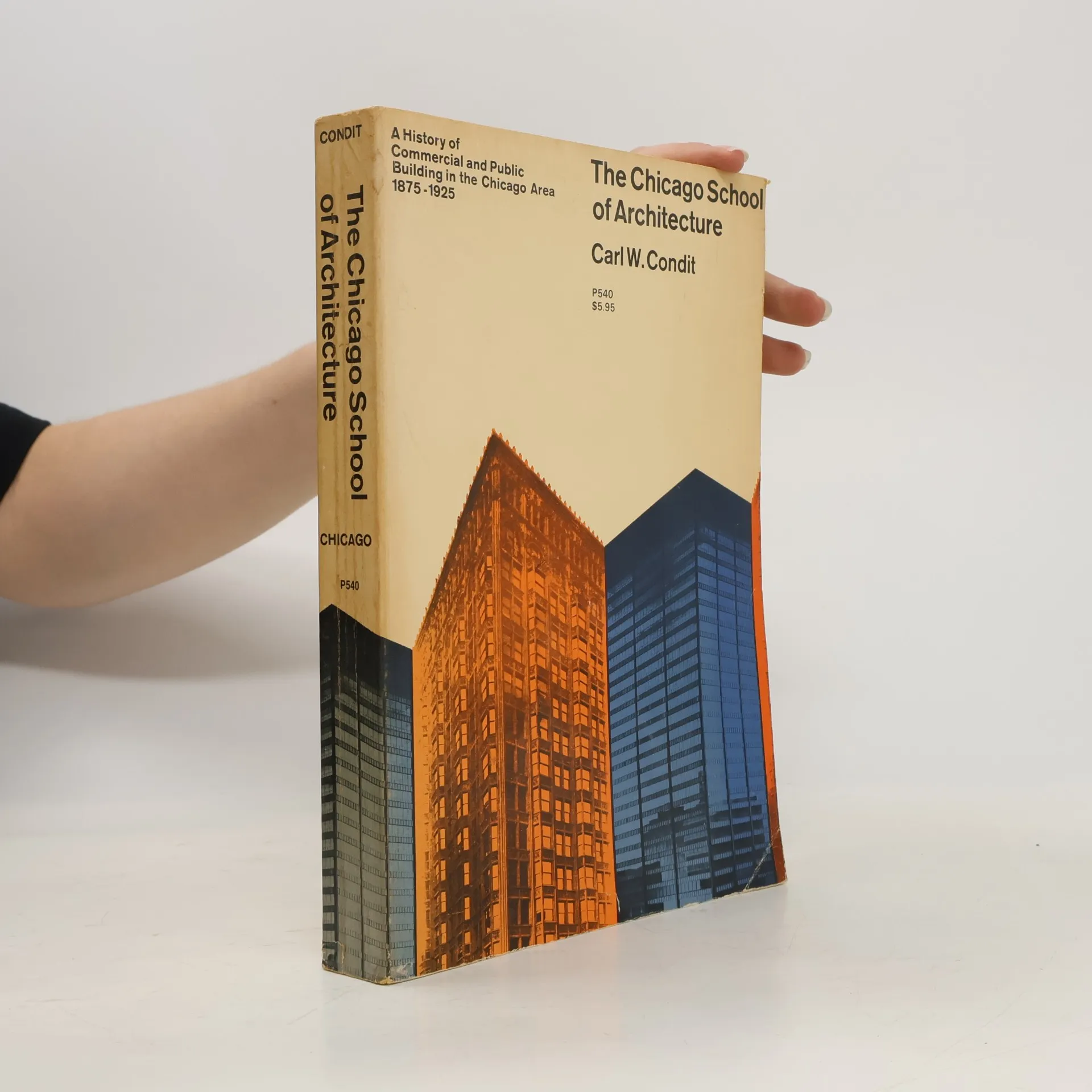
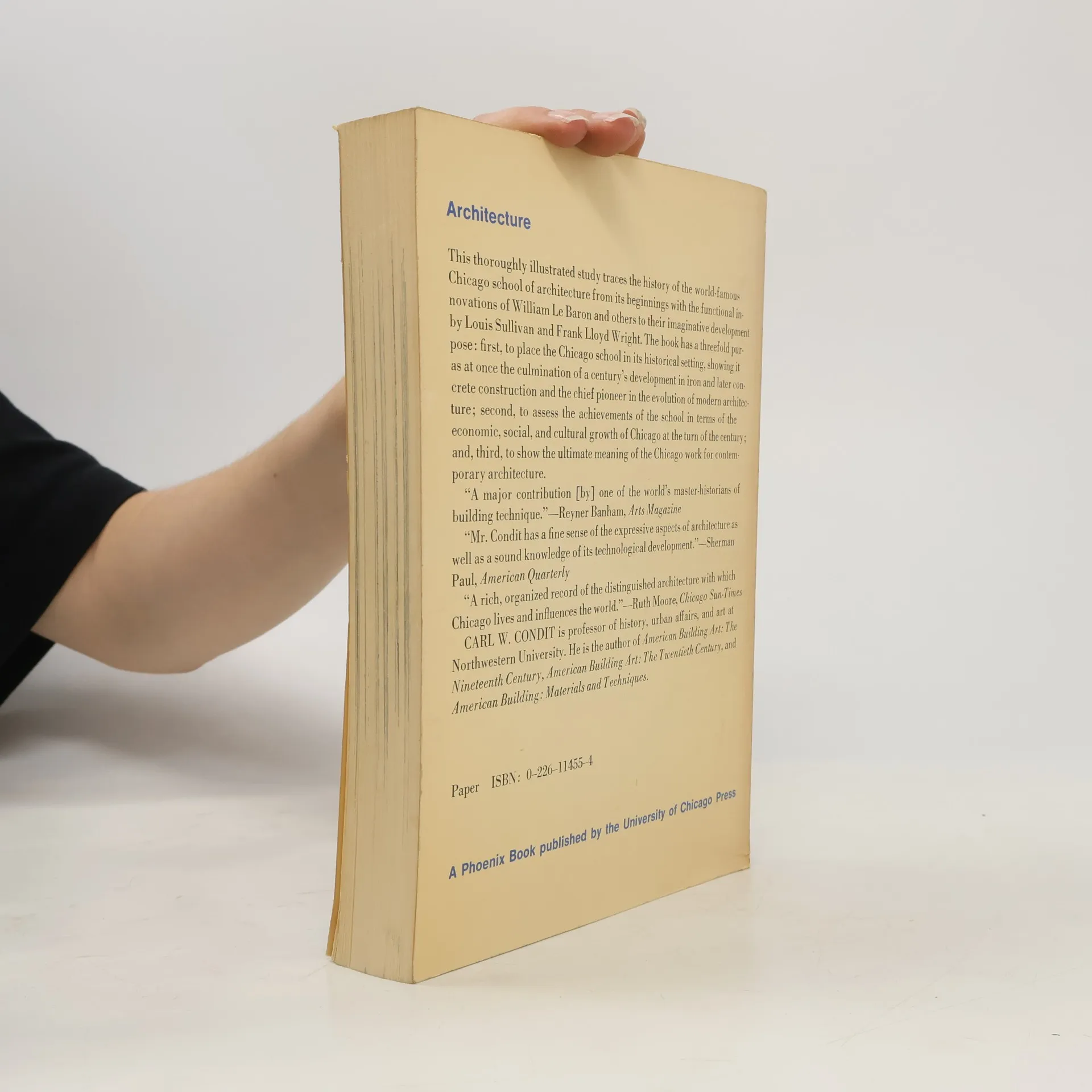
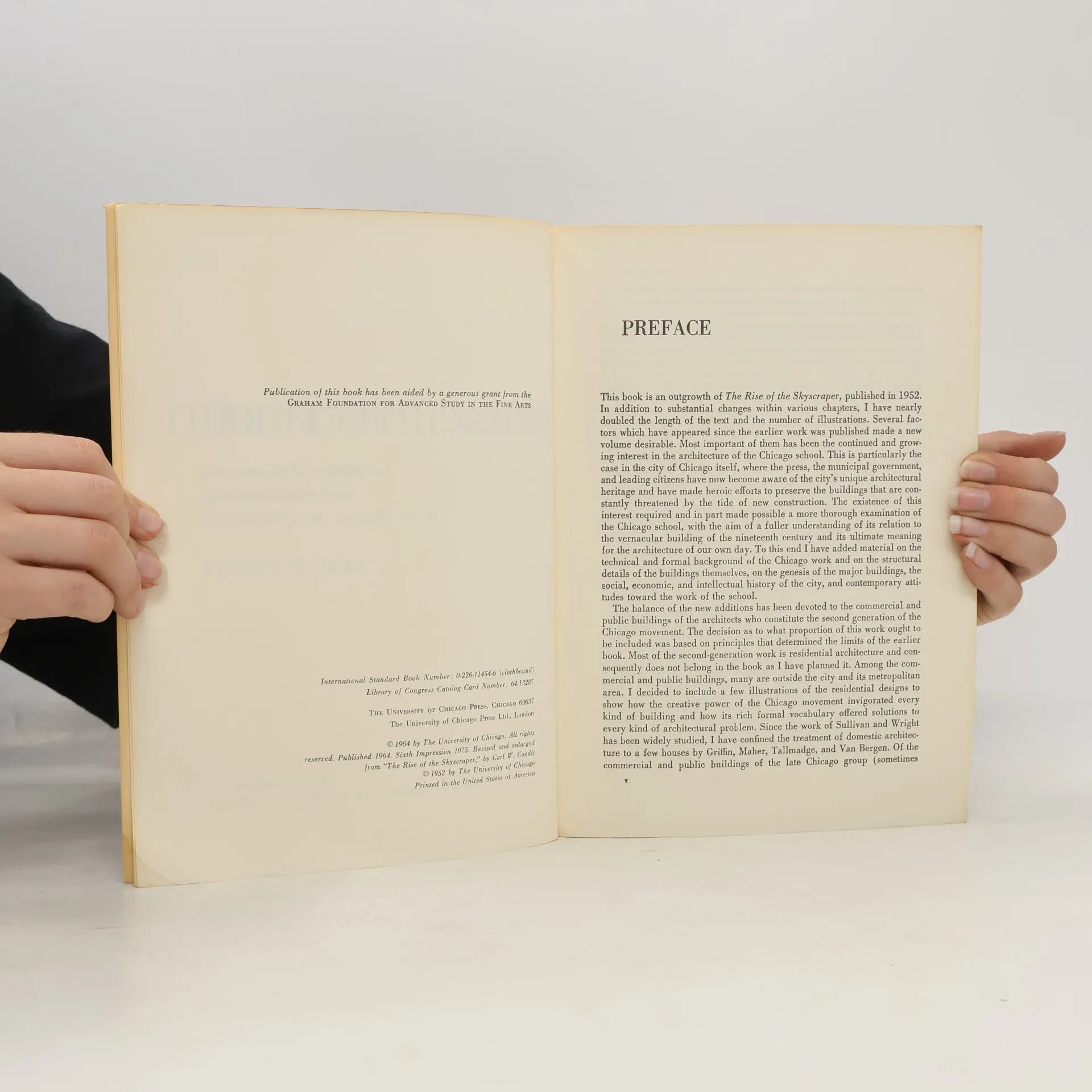
This thoroughly illustrated classic study traces the history of the world-famous Chicago school of architecture from its beginnings with the functional innovations of William Le Baron Jenney and others to their imaginative development by Louis Sullivan and Frank Lloyd Wright. The Chicago School of Architecture places the Chicago school in its historical setting, showing it at once to be the culmination of an iron and concrete construction and the chief pioneer in the evolution of modern architecture. It also assesses the achievements of the school in terms of the economic, social, and cultural growth of Chicago at the turn of the century, and it shows the ultimate meaning of the Chicago work for contemporary architecture."A major contribution [by] one of the world's master-historians of building technique."—Reyner Banham, Arts Magazine"A rich, organized record of the distinguished architecture with which Chicago lives and influences the world."—Ruth Moore, Chicago Sun-Times
Compra de libros
The Chicago School of Architecture, Carl W. Condit
- Idioma

- Publicado en
- 1975
- product-detail.submit-box.info.binding
- (Tapa blanda),
- Estado del libro
- Dañado
- Precio
- 15,40 €
Métodos de pago
Nadie lo ha calificado todavía.
- Título
- The Chicago School of Architecture
- Subtítulo
- A History of Commercial and Public Building in the Chicago Area, 1875-1925
- Idioma
- Inglés
- Autores
- Carl W. Condit
- Editorial
- The University of Chicago Press
- Publicado en
- 1975
- Formato
- Tapa blanda
- Páginas
- 238
- ISBN10
- 0226114554
- ISBN13
- 9780226114552
- Serie
- Etiquetas
- No ficción
- Descripción
- This thoroughly illustrated classic study traces the history of the world-famous Chicago school of architecture from its beginnings with the functional innovations of William Le Baron Jenney and others to their imaginative development by Louis Sullivan and Frank Lloyd Wright. The Chicago School of Architecture places the Chicago school in its historical setting, showing it at once to be the culmination of an iron and concrete construction and the chief pioneer in the evolution of modern architecture. It also assesses the achievements of the school in terms of the economic, social, and cultural growth of Chicago at the turn of the century, and it shows the ultimate meaning of the Chicago work for contemporary architecture."A major contribution [by] one of the world's master-historians of building technique."—Reyner Banham, Arts Magazine"A rich, organized record of the distinguished architecture with which Chicago lives and influences the world."—Ruth Moore, Chicago Sun-Times