



Más información sobre el libro
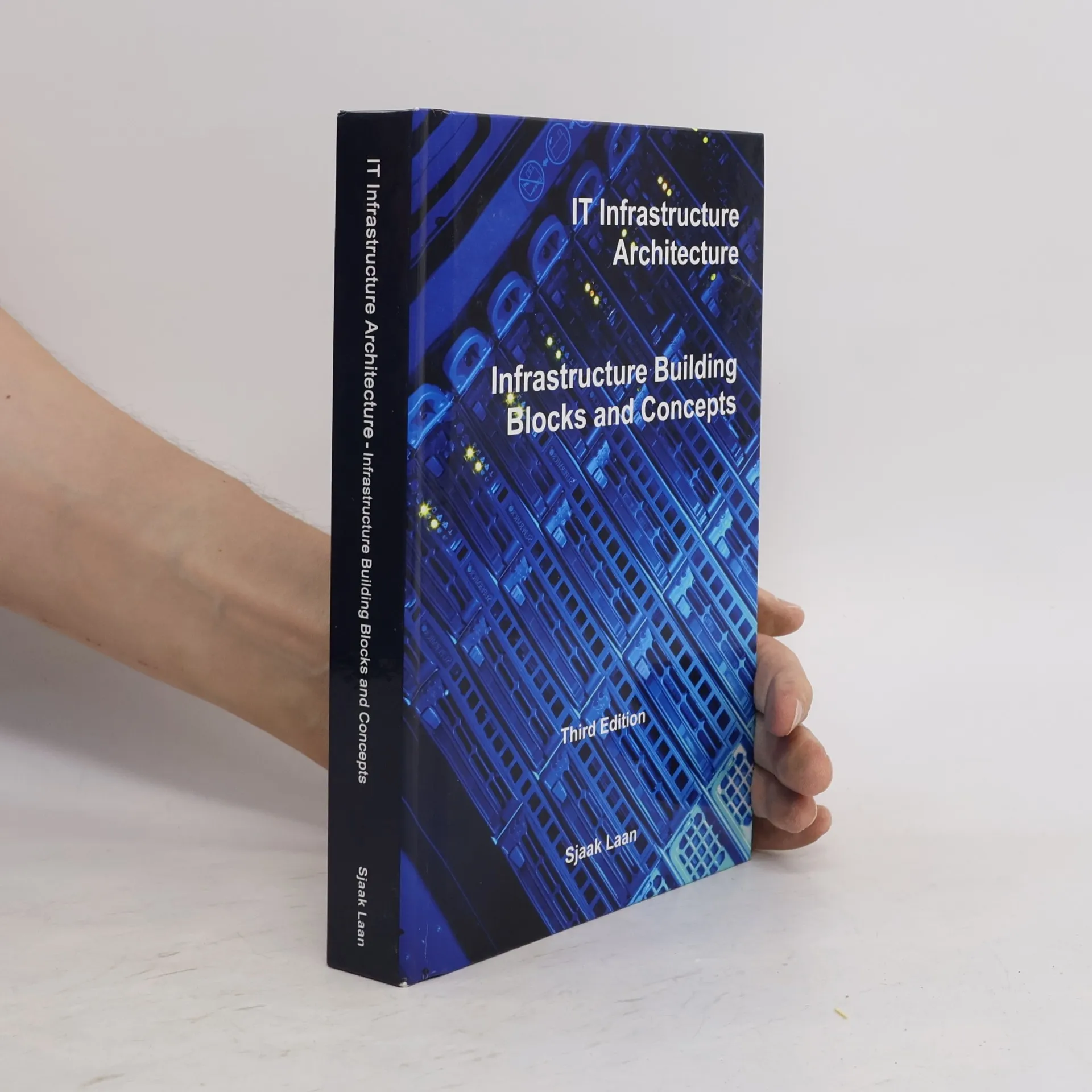
This book explains the concepts, history, and implementation of IT infrastructures. Although many of books can be found on each individual infrastructure building block, this is the first book to describe all of them: datacenters, servers, networks, storage, operating systems, and end user devices. The building blocks described in this book provide functionality, but they also provide the non-functional attributes performance, availability, and security. These attributes are explained on a conceptual level in separate chapters, and specific in the chapters about each individual building block. Whether you need an introduction to infrastructure technologies, a refresher course, or a study guide for a computer science class, you will find that the presented building blocks and concepts provide a solid foundation for understanding the complexity of today's IT infrastructures. This book can be used as part of IT architecture courses based on the IS 2010.4 curriculum.
Compra de libros
IT Infrastructure Architecture, Sjaak Laan
- Idioma

- Publicado en
- 2017
- Encuadernación
- (Tapa dura),
- Estado del libro
- Bueno
- Precio
- 9,89 €
Métodos de pago
Nadie lo ha calificado todavía.
- Título
- IT Infrastructure Architecture
- Subtítulo
- Infrastructure Building Blocks and Concepts - Third Edition
- Idioma
- Inglés
- Autores
- Sjaak Laan
- Editorial
- Lulu.com
- Publicado en
- 2017
- Formato
- Tapa dura
- Páginas
- 448
- ISBN10
- 1326912976
- ISBN13
- 9781326912970
- Serie
- Etiquetas
- Comercio
- Descripción
- This book explains the concepts, history, and implementation of IT infrastructures. Although many of books can be found on each individual infrastructure building block, this is the first book to describe all of them: datacenters, servers, networks, storage, operating systems, and end user devices. The building blocks described in this book provide functionality, but they also provide the non-functional attributes performance, availability, and security. These attributes are explained on a conceptual level in separate chapters, and specific in the chapters about each individual building block. Whether you need an introduction to infrastructure technologies, a refresher course, or a study guide for a computer science class, you will find that the presented building blocks and concepts provide a solid foundation for understanding the complexity of today's IT infrastructures. This book can be used as part of IT architecture courses based on the IS 2010.4 curriculum.