

Parámetros
- 252 páginas
- 9 horas de lectura
Más información sobre el libro
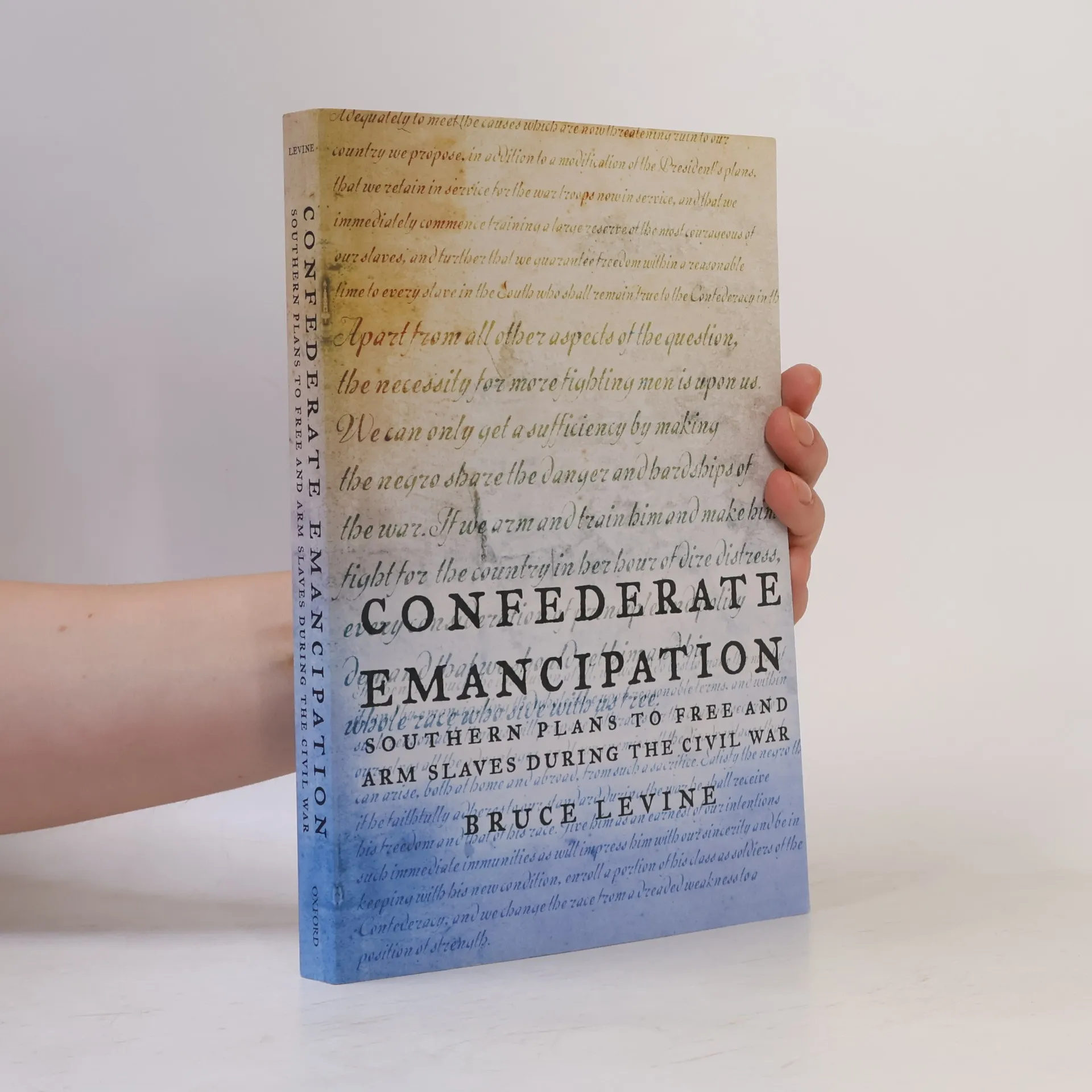
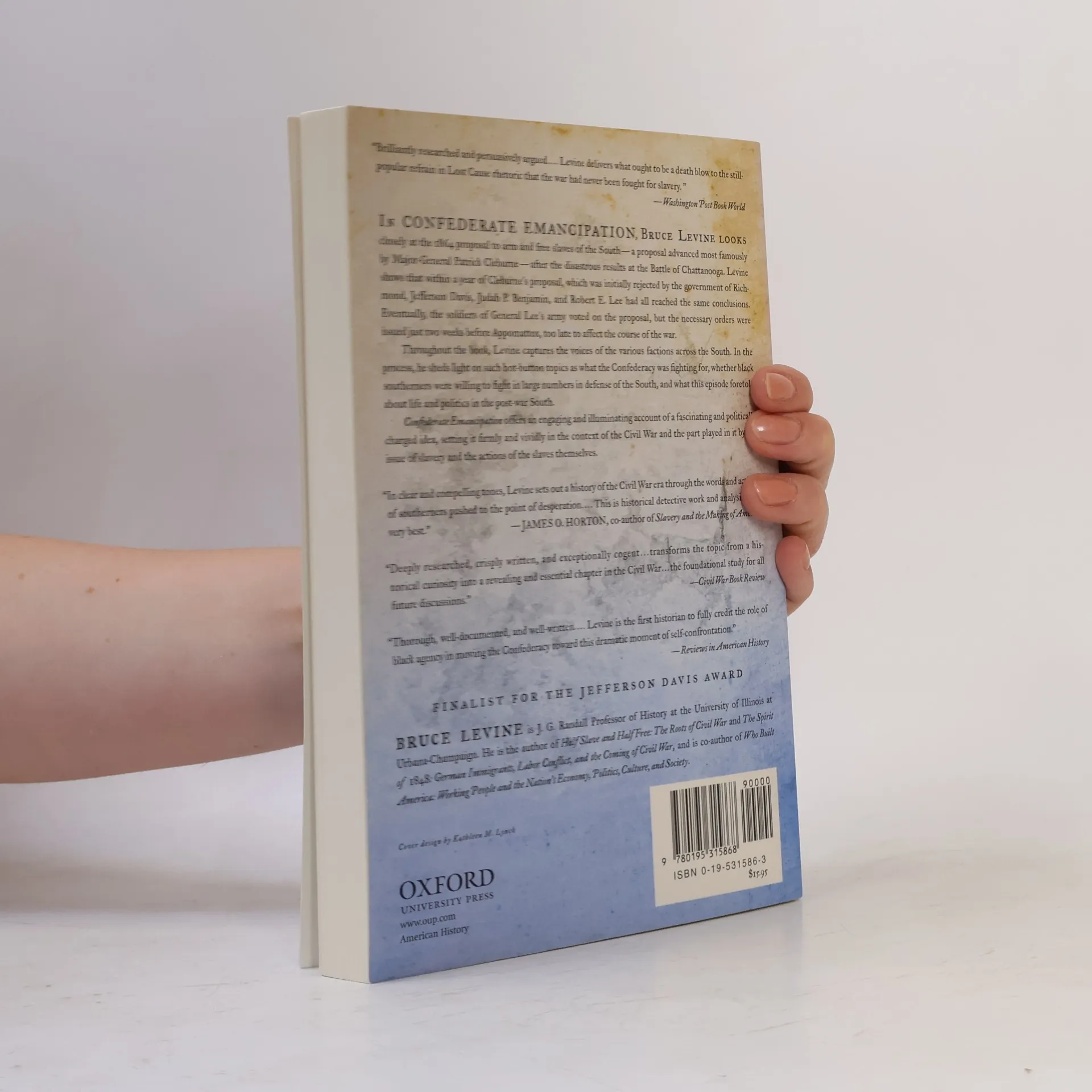
In early 1864, after the Confederate Army of Tennessee's defeat at Chattanooga, Major-General Patrick Cleburne proposed training "the most courageous of our slaves" as soldiers and freeing those loyal to the Confederacy. Bruce Levine examines Confederate plans to arm and emancipate slaves, revealing that within a year of Cleburne's initially rejected idea, prominent leaders like Jefferson Davis, Judah P. Benjamin, and Robert E. Lee came to similar conclusions. The proposal sparked widespread debate in Southern newspapers and social circles as more slaves escaped to Union lines and fought for the Union. Ultimately, Lee's army voted on the proposal, and the Confederate government enacted a version in March, just weeks before Appomattox, too late to influence the war's outcome. Levine captures the perspectives of various Southern voices—blacks and whites, wealthy planters and poor farmers, soldiers and politicians—shedding light on critical issues such as the Confederacy's motivations, the willingness of black southerners to fight, and the implications for post-war life and politics. This account provides an engaging exploration of a politically charged idea, situating it within the Civil War's context and the significant role of slavery and enslaved individuals.
Compra de libros
Confederate Emancipation, Bruce Levine
- Idioma

- Publicado en
- 2007
- Encuadernación
- (Tapa blanda)
Métodos de pago
Nadie lo ha calificado todavía.
- Título
- Confederate Emancipation
- Subtítulo
- Southern Plans to Free and Arm Slaves During the Civil War
- Idioma
- Inglés
- Autores
- Bruce Levine
- Editorial
- Oxford University Press
- Publicado en
- 2007
- Formato
- Tapa blanda
- Páginas
- 252
- ISBN10
- 0195315863
- ISBN13
- 9780195315868
- Serie
- Etiquetas
- Tema histórico, EE.UU., Siglo XIX, Historia de EE. UU., Guerra Civil, Guerra Civil Americana (1861-1865)
- Descripción
- In early 1864, after the Confederate Army of Tennessee's defeat at Chattanooga, Major-General Patrick Cleburne proposed training "the most courageous of our slaves" as soldiers and freeing those loyal to the Confederacy. Bruce Levine examines Confederate plans to arm and emancipate slaves, revealing that within a year of Cleburne's initially rejected idea, prominent leaders like Jefferson Davis, Judah P. Benjamin, and Robert E. Lee came to similar conclusions. The proposal sparked widespread debate in Southern newspapers and social circles as more slaves escaped to Union lines and fought for the Union. Ultimately, Lee's army voted on the proposal, and the Confederate government enacted a version in March, just weeks before Appomattox, too late to influence the war's outcome. Levine captures the perspectives of various Southern voices—blacks and whites, wealthy planters and poor farmers, soldiers and politicians—shedding light on critical issues such as the Confederacy's motivations, the willingness of black southerners to fight, and the implications for post-war life and politics. This account provides an engaging exploration of a politically charged idea, situating it within the Civil War's context and the significant role of slavery and enslaved individuals.