

Parámetros
- 260 páginas
- 10 horas de lectura
Más información sobre el libro
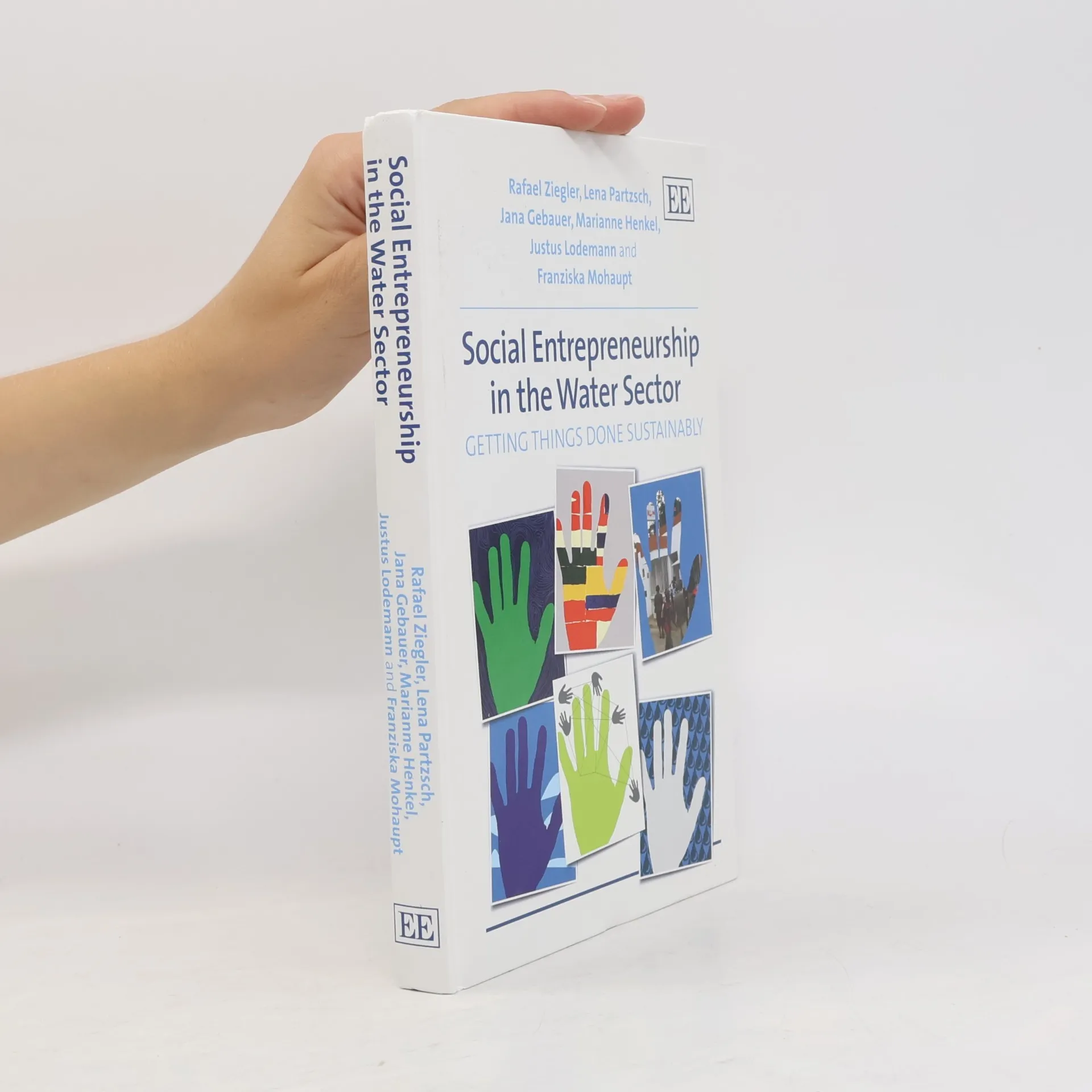
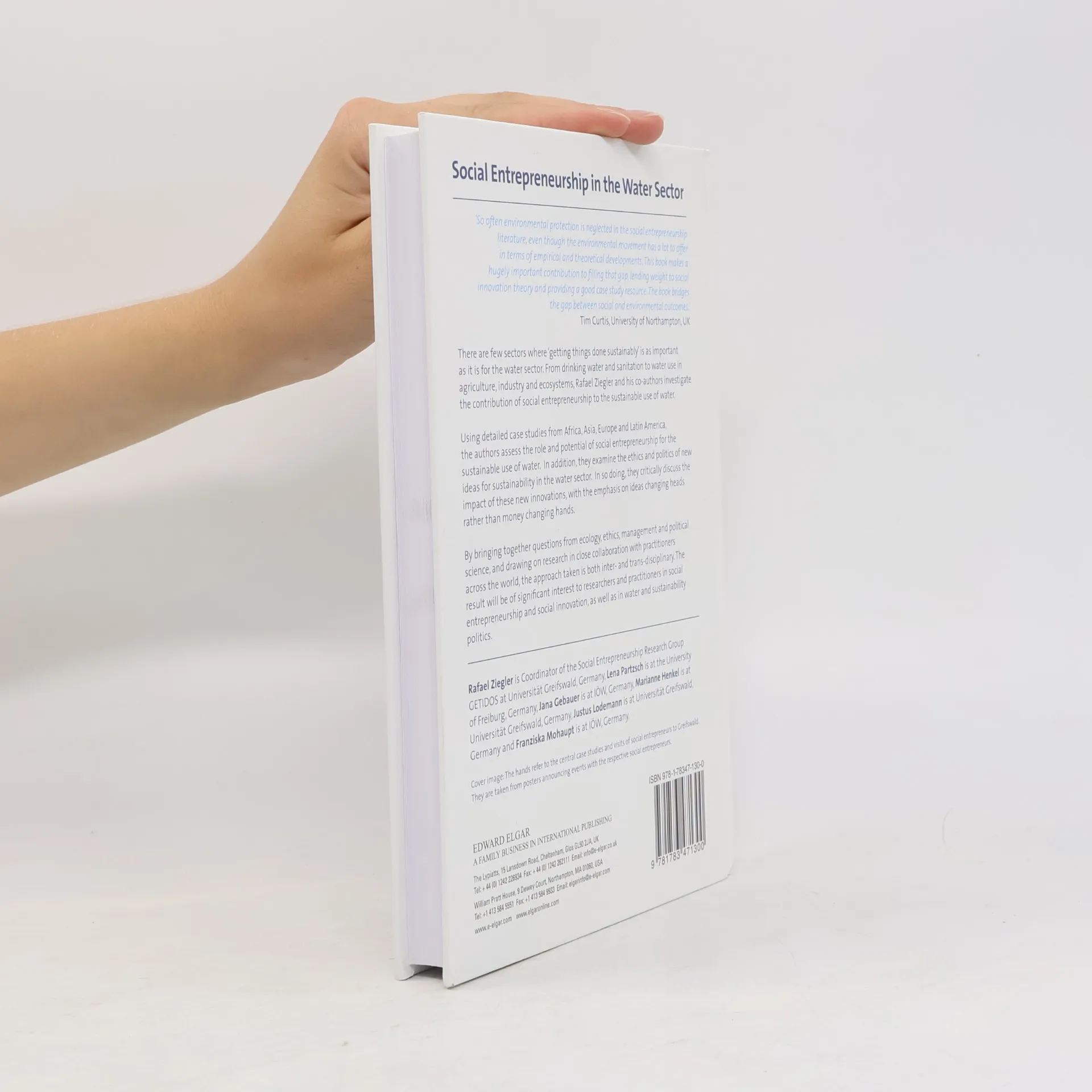
There are few sectors where 'getting things done sustainably' is as important as it is for the water sector. From drinking water and sanitation to water use in agriculture, industry and ecosystems, Rafael Ziegler and his co-authors investigate the contribution of social entrepreneurship to the sustainable use of water. Using detailed case studies from Africa, Asia, Europe and Latin America, the authors assess the role and potential of social entrepreneurship for the sustainable use of water. In addition, they examine the ethics and politics of new ideas for sustainability in the water sector. In so doing, they critically discuss the impact of these new innovations, with the emphasis on ideas changing heads rather than money changing hands. By bringing together questions from ecology, ethics, management and political science, and drawing on research in close collaboration with practitioners across the world, the approach taken is both inter- and trans-disciplinary. The result will be of significant interest to researchers and practitioners in social entrepreneurship and social innovation, as well as in water and sustainability politics.
Compra de libros
Social Entrepreneurship in the Water Sector, Rafael Ziegler
- Idioma

- Publicado en
- 2014
- Encuadernación
- (Tapa dura),
- Estado del libro
- Bueno
- Precio
- 23,99 €
Métodos de pago
Nadie lo ha calificado todavía.
- Título
- Social Entrepreneurship in the Water Sector
- Subtítulo
- Getting Things Done Sustainably
- Idioma
- Inglés
- Autores
- Rafael Ziegler
- Editorial
- Edward Elgar Publishing
- Publicado en
- 2014
- Formato
- Tapa dura
- Páginas
- 260
- ISBN10
- 1783471301
- ISBN13
- 9781783471300
- Serie
- Etiquetas
- Comercio, Naturaleza, Sostenibilidad, Desarrollo, Recursos Naturales
- Descripción
- There are few sectors where 'getting things done sustainably' is as important as it is for the water sector. From drinking water and sanitation to water use in agriculture, industry and ecosystems, Rafael Ziegler and his co-authors investigate the contribution of social entrepreneurship to the sustainable use of water. Using detailed case studies from Africa, Asia, Europe and Latin America, the authors assess the role and potential of social entrepreneurship for the sustainable use of water. In addition, they examine the ethics and politics of new ideas for sustainability in the water sector. In so doing, they critically discuss the impact of these new innovations, with the emphasis on ideas changing heads rather than money changing hands. By bringing together questions from ecology, ethics, management and political science, and drawing on research in close collaboration with practitioners across the world, the approach taken is both inter- and trans-disciplinary. The result will be of significant interest to researchers and practitioners in social entrepreneurship and social innovation, as well as in water and sustainability politics.