



Parámetros
- 240 páginas
- 9 horas de lectura
Más información sobre el libro
A post-capitalist manifesto for conservation Conservation needs a revolution. This is the only way it can contribute to the drastic transformations needed to come to a truly sustainable model of development. The good news is that conservation is ready for revolution. Heated debates about the rise of the Anthropocene and the current ‘sixth extinction’ crisis demonstrate an urgent need and desire to move beyond mainstream approaches. Yet the conservation community is deeply divided over where to go from here. Some want to place ‘half earth’ into protected areas. Others want to move away from parks to focus on unexpected and ‘new’ natures. Many believe conservation requires full integration into capitalist production processes. Building a razor-sharp critique of current conservation proposals and their contradictions, Büscher and Fletcher argue that the Anthropocene challenge demands something bigger, better and bolder. Something truly revolutionary. They propose convivial conservation as the way forward. This approach goes beyond protected areas and faith in markets to incorporate the needs of humans and nonhumans within integrated and just landscapes. Theoretically astute and practically relevant, The Conservation Revolution offers a manifesto for conservation in the twenty-first century—a clarion call that cannot be ignored.
Compra de libros
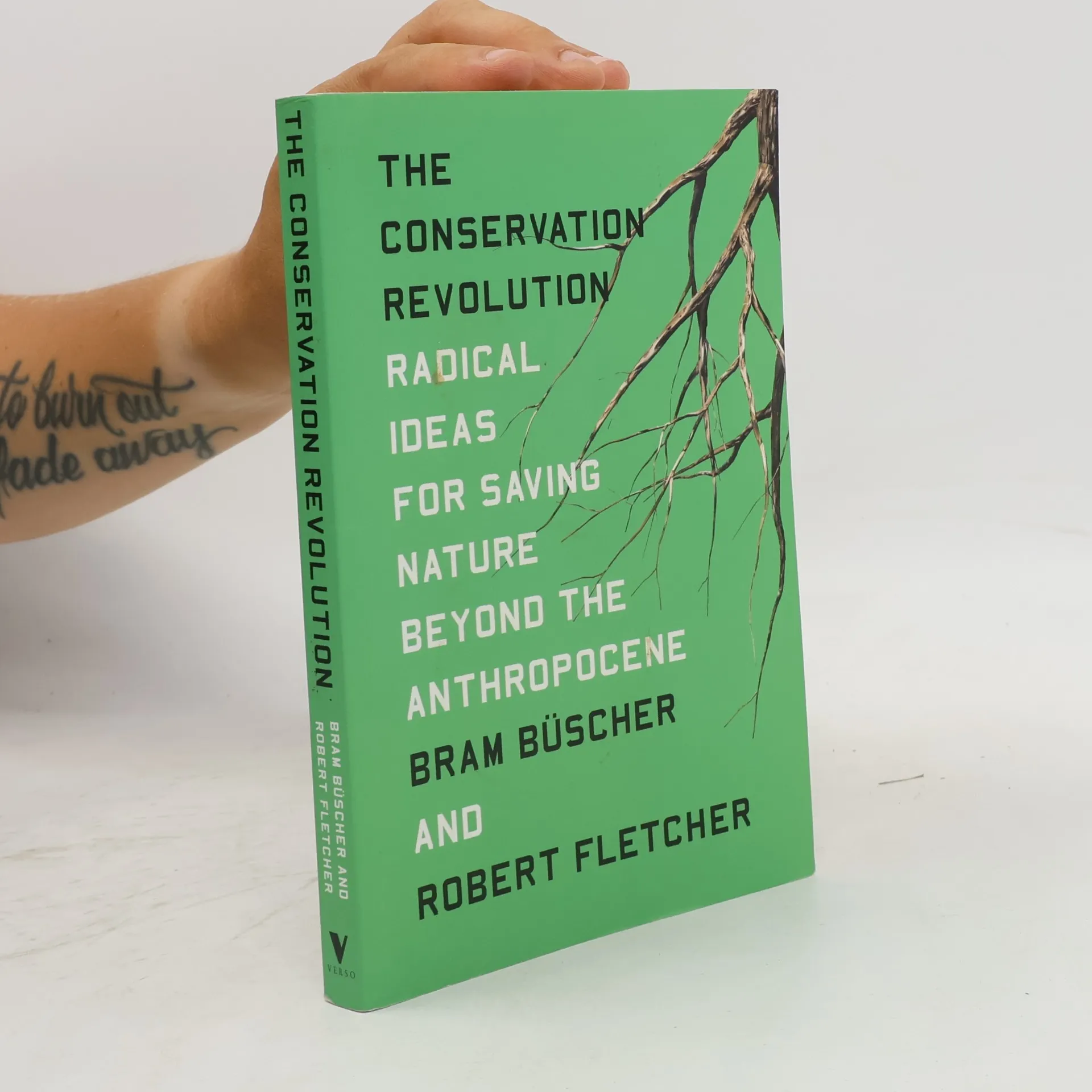
The Conservation Revolution, Bram Buscher, Robert Fletcher
- Idioma

- Publicado en
- 2020
- Encuadernación
- (Tapa blanda),
- Estado del libro
- Bueno
- Precio
- 7,99 €
Métodos de pago
Nadie lo ha calificado todavía.
- Título
- The Conservation Revolution
- Subtítulo
- Radical Ideas for Saving Nature Beyond the Anthropocene
- Idioma
- Inglés
- Autores
- Bram Buscher, Robert Fletcher
- Editorial
- Verso Books
- Publicado en
- 2020
- Formato
- Tapa blanda
- Páginas
- 240
- ISBN10
- 1788737717
- ISBN13
- 9781788737715
- Serie
- Categorías
- Etiquetas
- Comercio, Naturaleza, Temática filosófica, Política, Ciencia, Temática ecológica, Sociedad, Teorías Políticas, Siglo XXI, Sostenibilidad, Justicia Social, Cambio climático, Ciencias ambientales, Socialismo, Animales salvajes, Historia Económica, Protección de la Naturaleza, Gobierno, Geopolítica, Activismo, Economía política, Filosofía política, Política mundial, Conservación, Ética ambiental
- Descripción
- A post-capitalist manifesto for conservation Conservation needs a revolution. This is the only way it can contribute to the drastic transformations needed to come to a truly sustainable model of development. The good news is that conservation is ready for revolution. Heated debates about the rise of the Anthropocene and the current ‘sixth extinction’ crisis demonstrate an urgent need and desire to move beyond mainstream approaches. Yet the conservation community is deeply divided over where to go from here. Some want to place ‘half earth’ into protected areas. Others want to move away from parks to focus on unexpected and ‘new’ natures. Many believe conservation requires full integration into capitalist production processes. Building a razor-sharp critique of current conservation proposals and their contradictions, Büscher and Fletcher argue that the Anthropocene challenge demands something bigger, better and bolder. Something truly revolutionary. They propose convivial conservation as the way forward. This approach goes beyond protected areas and faith in markets to incorporate the needs of humans and nonhumans within integrated and just landscapes. Theoretically astute and practically relevant, The Conservation Revolution offers a manifesto for conservation in the twenty-first century—a clarion call that cannot be ignored.