

Parámetros
- 186 páginas
- 7 horas de lectura
Más información sobre el libro
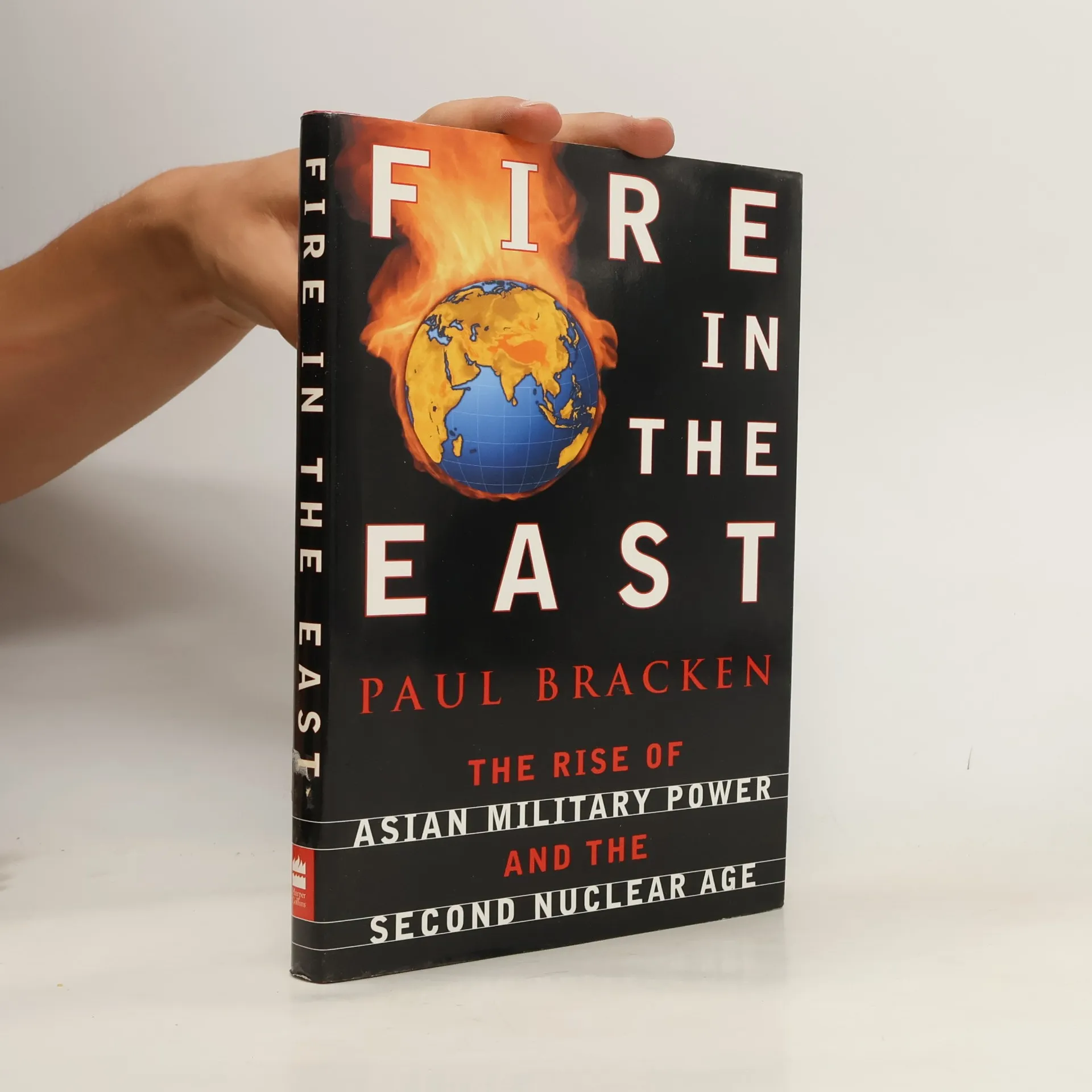
On May 11, 1998, India changed the global landscape by testing nuclear weapons, defying international norms and marking the end of a long-standing arms control system. This pivotal moment was followed by Pakistan's tests and signifies the resurgence of technologically advanced military powers in Asia, reminiscent of the sixteenth century. From Israel to North Korea, countries in a 6,000-mile crescent are developing missiles armed with atomic, biological, or chemical warheads, raising significant concerns for the future. In this landmark study, Paul Bracken, a Yale professor, reveals critical insights about the Iraqi missile and biological warfare programs, highlighting Israel's near-experience with a germ attack during the Gulf War. He challenges the comforting notion that globalization will lead to peaceful competition among Asian nations, arguing instead that economic growth facilitates the development of weapons of mass destruction. Bracken also discusses the increasing threats to American bases and interests posed by rising Asian nationalism and offers guidance for navigating what he terms The Second Nuclear Age. He critiques the outdated mindsets of policymakers shaped by past conflicts like the Cuban Missile Crisis and the Gulf War, advocating for a new intellectual framework to address the complexities of a world where the U.S. stands as the sole superpower. This work serves as a vital guide for understanding the fu
Compra de libros
Fire In The East, Paul J. Bracken
- Idioma

- Publicado en
- 1999
- Encuadernación
- (Tapa dura),
- Estado del libro
- Bueno
- Precio
- 0,49 €
Métodos de pago
Nadie lo ha calificado todavía.
- Título
- Fire In The East
- Subtítulo
- The Rise of Asian Military Power and the Second Nuclear Age
- Idioma
- Inglés
- Autores
- Paul J. Bracken
- Editorial
- Harper
- Publicado en
- 1999
- Formato
- Tapa dura
- Páginas
- 186
- ISBN10
- 0060193441
- ISBN13
- 9780060193447
- Serie
- Categorías
- Etiquetas
- Tema histórico, Asia, Teorías Políticas, Relaciones Internacionales, Política Militar, Armas de Destrucción Masiva
- Descripción
- On May 11, 1998, India changed the global landscape by testing nuclear weapons, defying international norms and marking the end of a long-standing arms control system. This pivotal moment was followed by Pakistan's tests and signifies the resurgence of technologically advanced military powers in Asia, reminiscent of the sixteenth century. From Israel to North Korea, countries in a 6,000-mile crescent are developing missiles armed with atomic, biological, or chemical warheads, raising significant concerns for the future. In this landmark study, Paul Bracken, a Yale professor, reveals critical insights about the Iraqi missile and biological warfare programs, highlighting Israel's near-experience with a germ attack during the Gulf War. He challenges the comforting notion that globalization will lead to peaceful competition among Asian nations, arguing instead that economic growth facilitates the development of weapons of mass destruction. Bracken also discusses the increasing threats to American bases and interests posed by rising Asian nationalism and offers guidance for navigating what he terms The Second Nuclear Age. He critiques the outdated mindsets of policymakers shaped by past conflicts like the Cuban Missile Crisis and the Gulf War, advocating for a new intellectual framework to address the complexities of a world where the U.S. stands as the sole superpower. This work serves as a vital guide for understanding the fu