


Parámetros
- 224 páginas
- 8 horas de lectura
Más información sobre el libro
Native groups have significantly influenced Paraguay's history, a unique and officially bilingual nation in Latin America. This analysis delves into their intricate relationship with the Alfredo Stroessner regime (1954-89), which presented itself as inclusive while systematically excluding indigenous peoples from national development benefits and basic human rights. Rather than portraying a narrative of oppression, the study highlights manipulation. Horst illustrates how native communities, facing daily struggles for food and work under Stroessner’s contradictory policies, resisted becoming invisible within the broader peasant population. They adeptly navigated challenging circumstances to challenge exclusionary policies and publicly expose state corruption. Collaborating closely with the Catholic Church, indigenous groups utilized legal advocacy to defend their territories and resources, with the Church emerging as a key ally in advocating for land claims and drawing international attention to human rights abuses. While this resistance weakened support for Stroessner, it also led indigenous leaders to engage more with the very institutions they opposed. By contributing their vision for a multiethnic state and forming alliances with regime opponents, they promoted human rights and ethnic plurality, ultimately aiding Paraguay's transition to greater democracy in 1992. Horst’s work is a crucial narrative for historians and anthr
Compra de libros
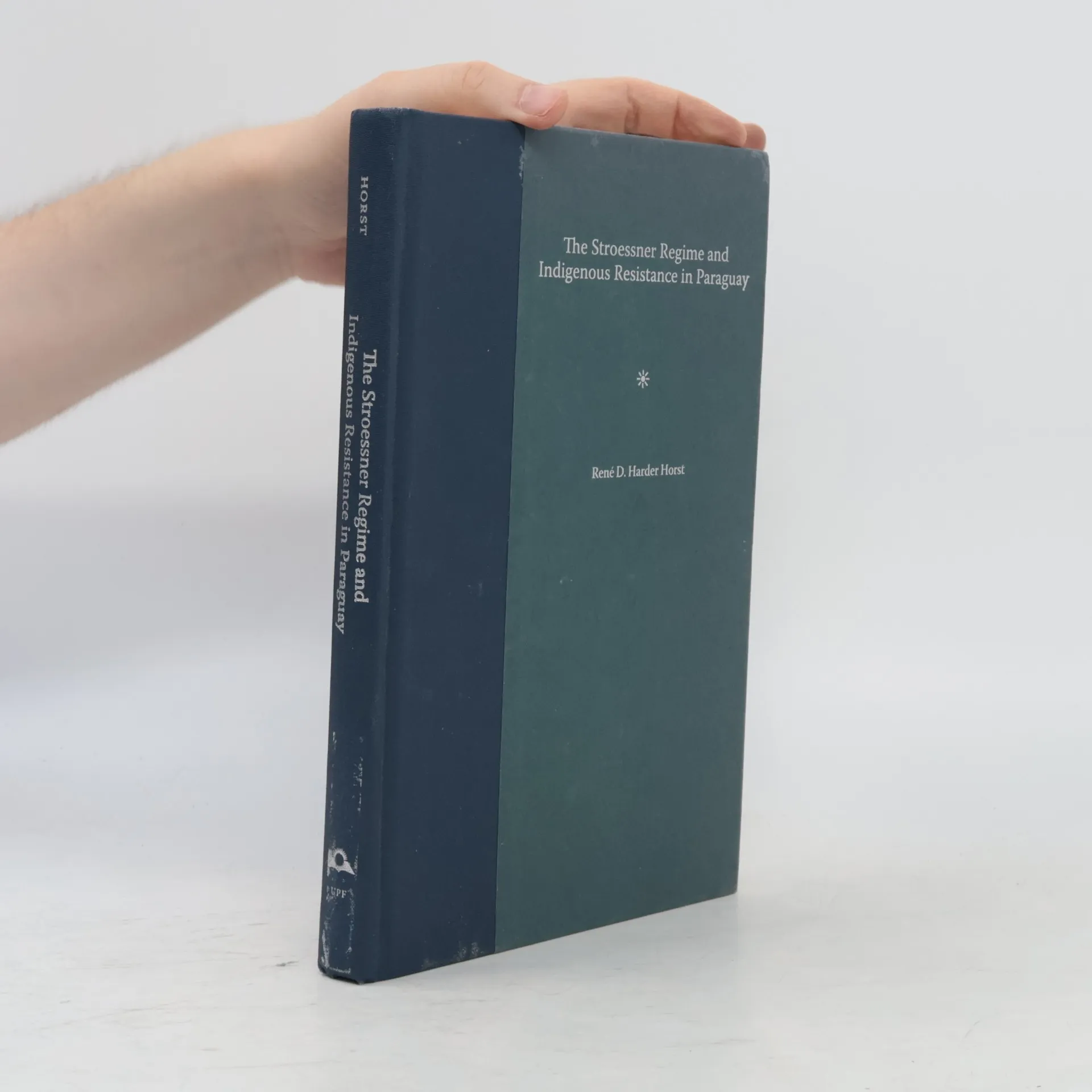
The Stroessner Regime and Indigenous Resistance in Paraguay, Horst Renemann
- Idioma

- Publicado en
- 2007
- Encuadernación
- (Tapa dura),
- Estado del libro
- Dañado
- Precio
- 26,79 €
Métodos de pago
Nadie lo ha calificado todavía.
- Título
- The Stroessner Regime and Indigenous Resistance in Paraguay
- Idioma
- Inglés
- Autores
- Horst Renemann
- Editorial
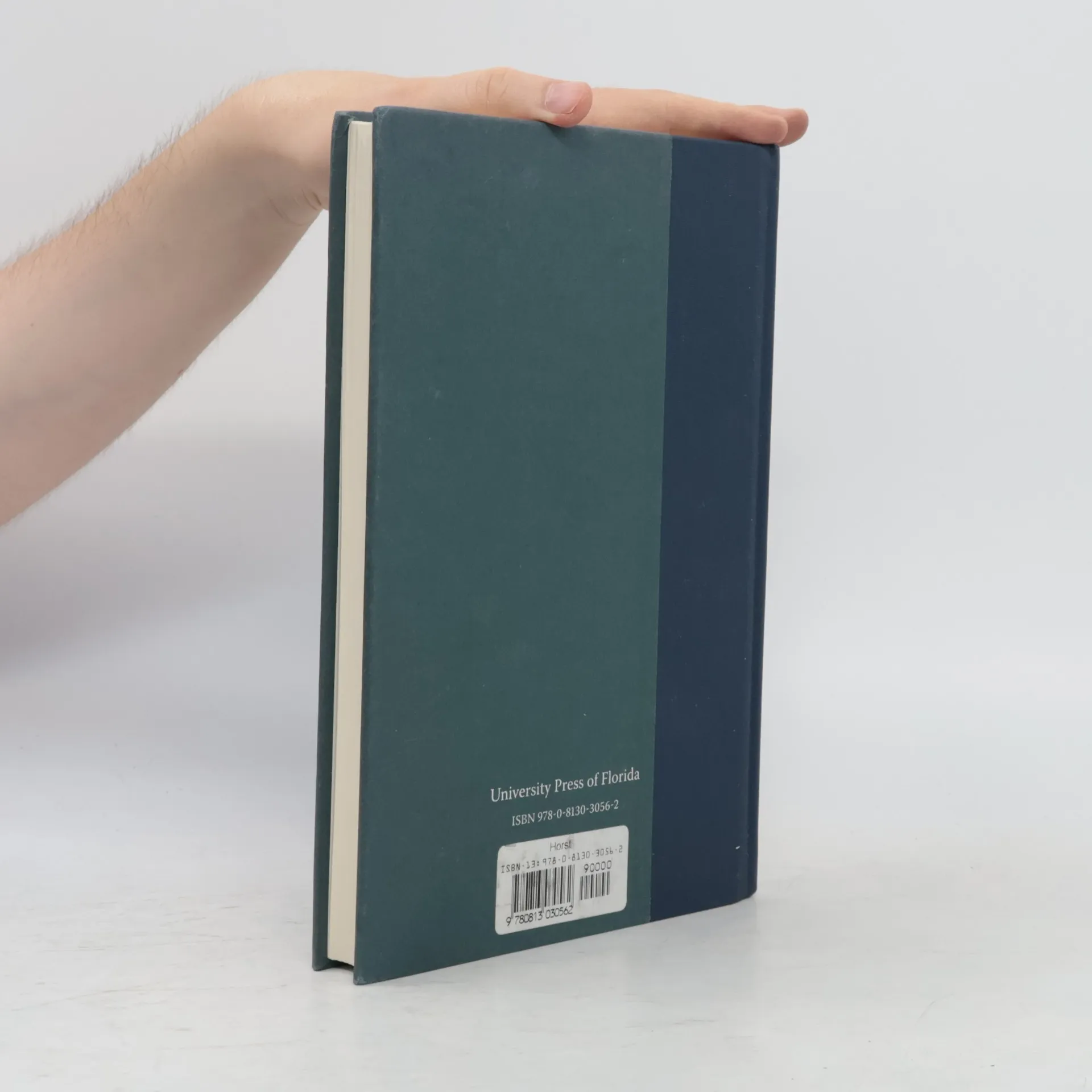
- University Press of Florida
- Publicado en
- 2007
- Formato
- Tapa dura
- Páginas
- 224
- ISBN10
- 0813030560
- ISBN13
- 9780813030562
- Serie
- Categorías
- Etiquetas
- Tema histórico, Tribus indígenas, América del Sur, América Latina, Paraguay
- Descripción
- Native groups have significantly influenced Paraguay's history, a unique and officially bilingual nation in Latin America. This analysis delves into their intricate relationship with the Alfredo Stroessner regime (1954-89), which presented itself as inclusive while systematically excluding indigenous peoples from national development benefits and basic human rights. Rather than portraying a narrative of oppression, the study highlights manipulation. Horst illustrates how native communities, facing daily struggles for food and work under Stroessner’s contradictory policies, resisted becoming invisible within the broader peasant population. They adeptly navigated challenging circumstances to challenge exclusionary policies and publicly expose state corruption. Collaborating closely with the Catholic Church, indigenous groups utilized legal advocacy to defend their territories and resources, with the Church emerging as a key ally in advocating for land claims and drawing international attention to human rights abuses. While this resistance weakened support for Stroessner, it also led indigenous leaders to engage more with the very institutions they opposed. By contributing their vision for a multiethnic state and forming alliances with regime opponents, they promoted human rights and ethnic plurality, ultimately aiding Paraguay's transition to greater democracy in 1992. Horst’s work is a crucial narrative for historians and anthr