



Más información sobre el libro
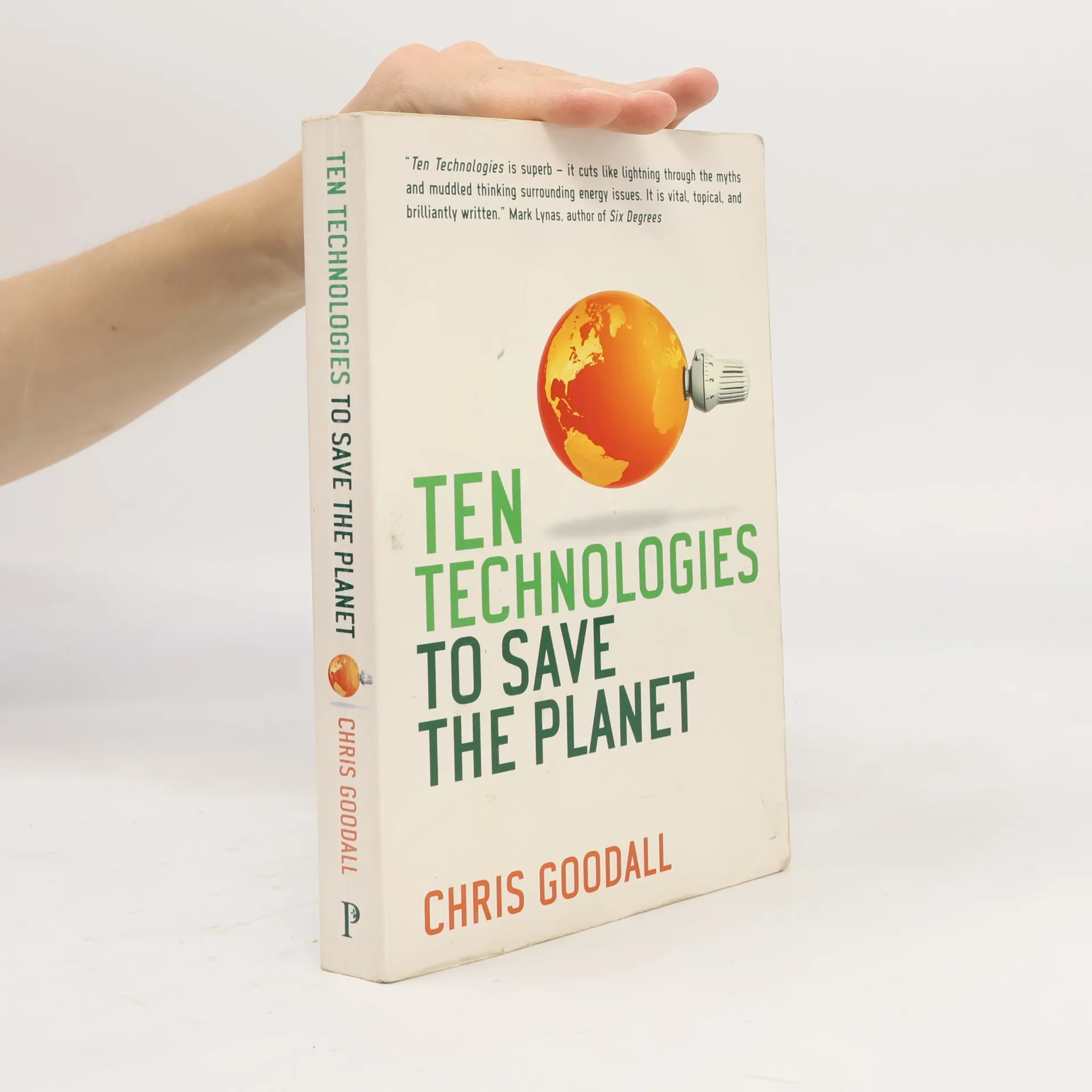
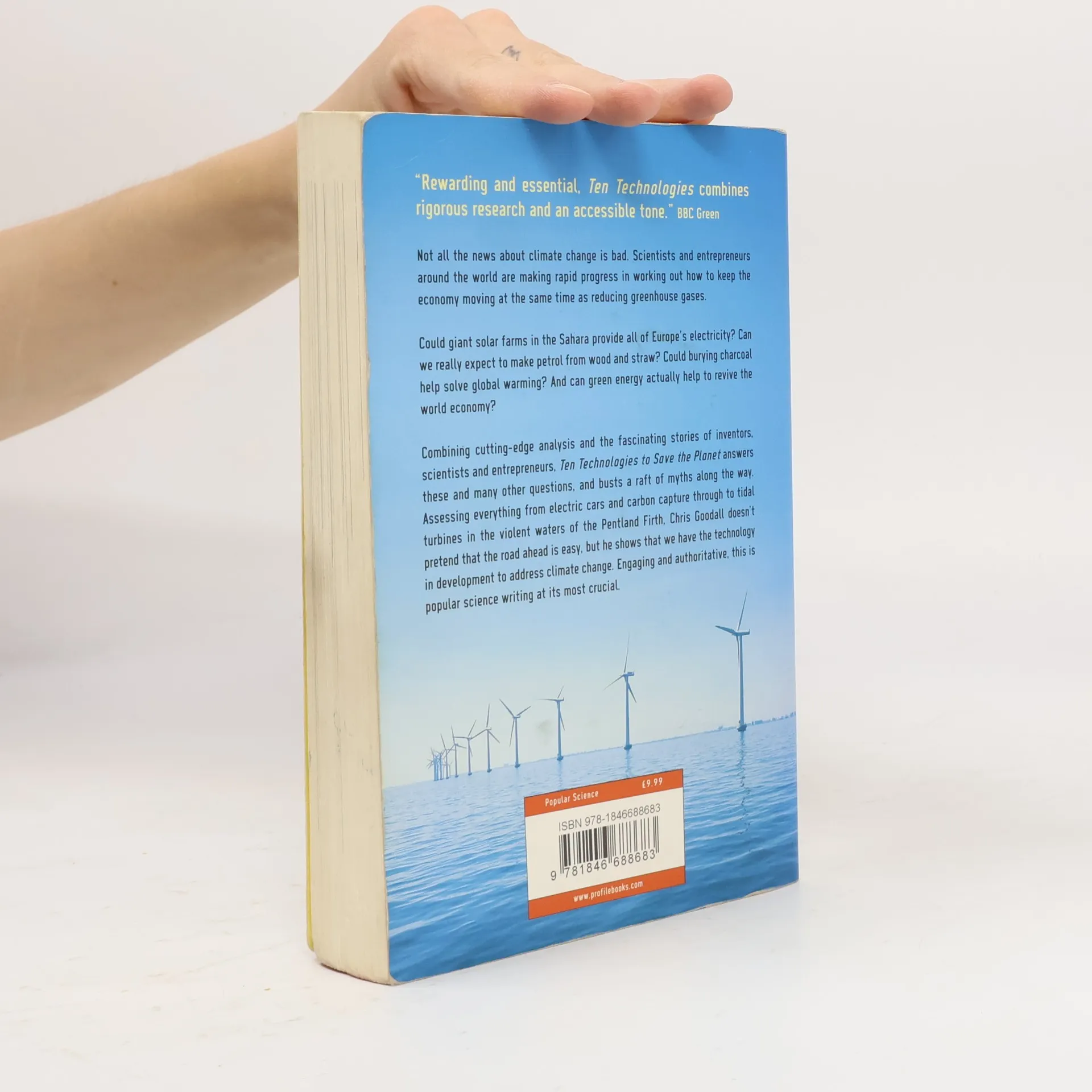
Everyone agrees we need to slash global greenhouse emissions. But how do we actually achieve that? Politicians can set targets and consumers can try to live greener lives. But the world will only avoid runaway global warming with the help of technological breakthroughs. In this fascinating book, Chris Goodall profiles ten technologies to watch, explaining how they work and telling the stories of the inventors and entrepreneurs driving them forward. Some of Goodall's selections, such as the electric car, are familiar. Others are more surprising. Algae, for example, can soak up carbon dioxide and produce fuel, while charcoal made from waste vegetable and forestry matter can lock carbon into soils and reduce the need for fertilizers. Cutting-edge and accessible, this is popular science at its most crucial.
Compra de libros
Ten Technologies to Save the Planet, Christian Goodhall
- Idioma

- Publicado en
- 2008
- Encuadernación
- (Tapa blanda),
- Estado del libro
- Dañado
- Precio
- 3,25 €
Métodos de pago
Nadie lo ha calificado todavía.
- Título
- Ten Technologies to Save the Planet
- Idioma
- Inglés
- Autores
- Christian Goodhall
- Editorial
- Green Profile
- Publicado en
- 2008
- Formato
- Tapa blanda
- Páginas
- 292
- ISBN10
- 184668868X
- ISBN13
- 9781846688683
- Serie
- Categorías
- Etiquetas
- Ciencia, Tecnología, Temática ecológica, Cambio climático
- Descripción
- Everyone agrees we need to slash global greenhouse emissions. But how do we actually achieve that? Politicians can set targets and consumers can try to live greener lives. But the world will only avoid runaway global warming with the help of technological breakthroughs. In this fascinating book, Chris Goodall profiles ten technologies to watch, explaining how they work and telling the stories of the inventors and entrepreneurs driving them forward. Some of Goodall's selections, such as the electric car, are familiar. Others are more surprising. Algae, for example, can soak up carbon dioxide and produce fuel, while charcoal made from waste vegetable and forestry matter can lock carbon into soils and reduce the need for fertilizers. Cutting-edge and accessible, this is popular science at its most crucial.