


Más información sobre el libro
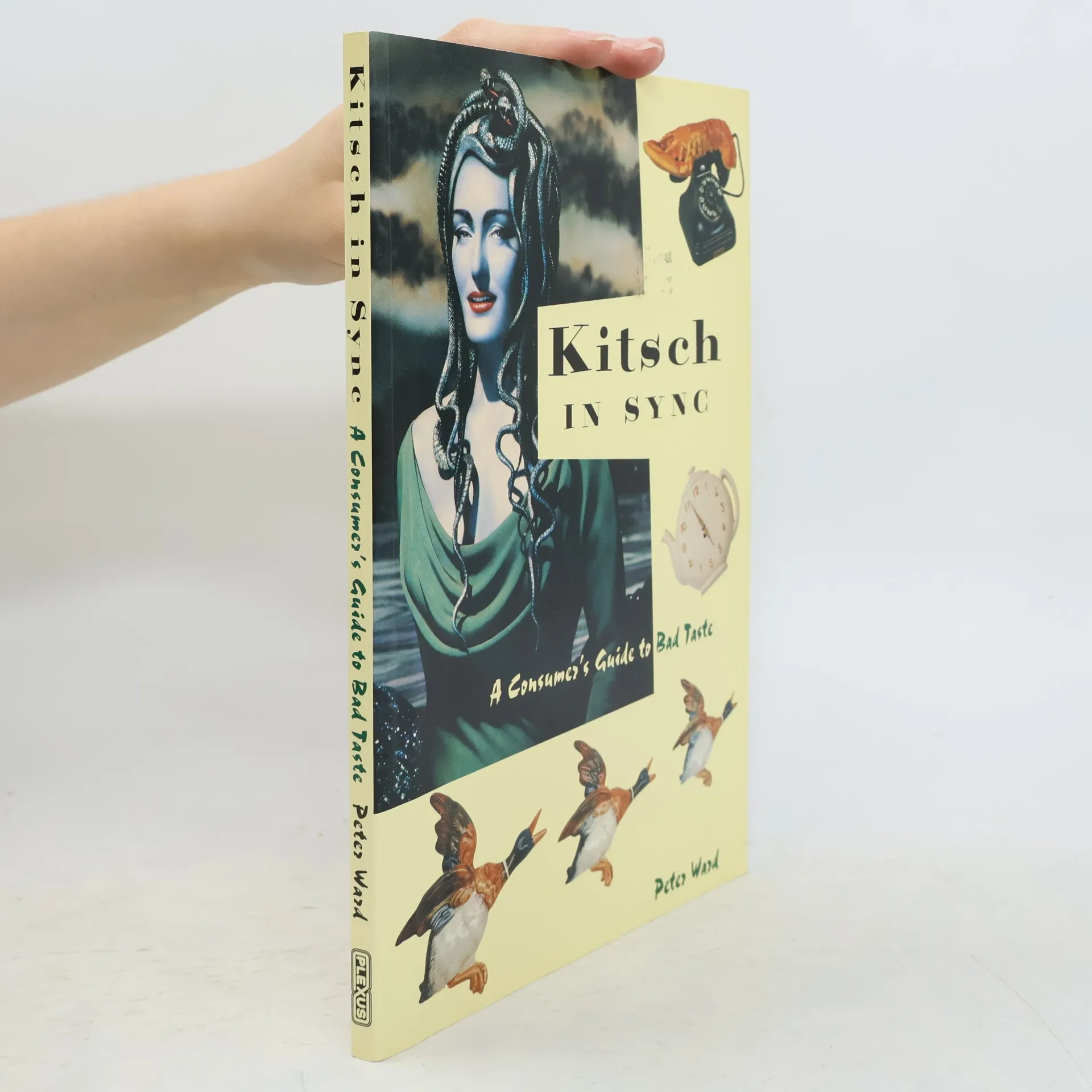
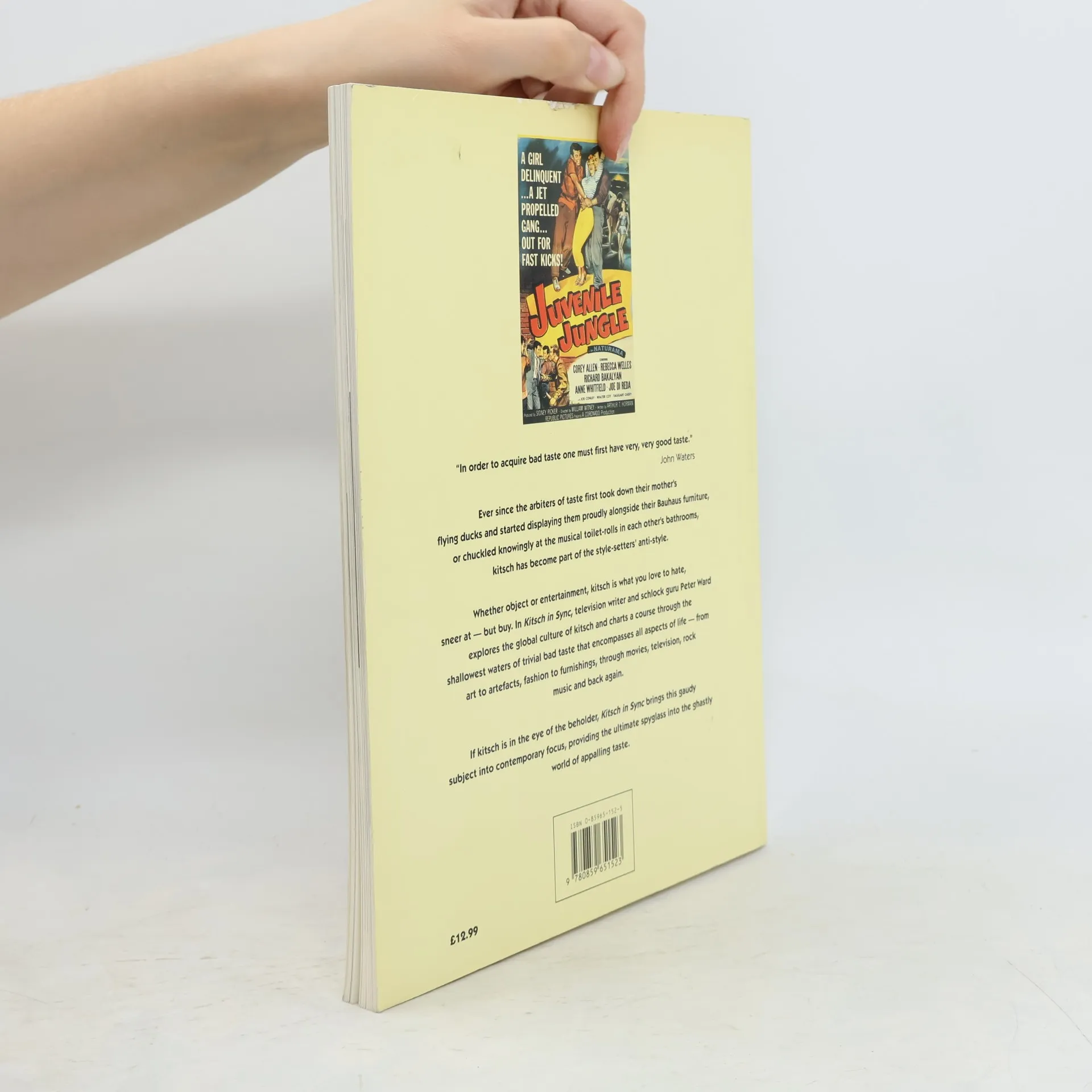
While it commences with a somewhat weak prehistory of kitsch in the 19th century, the light style and deceptively glib analysis of this slender volume are a perfect complement to 20th-century trash culture. In what is essentially a history of mass-produced tackiness, Peter Ward provides insightful commentary on how good taste becomes officially bad when its audience changes. He also catches the sense of humor of Jeff Koons, who appears just a few pages past the Bay City Rollers, a juxtaposition I'm sure Koons would enjoy. Kitsch in Sync is worthwhile for its novel take on '80s new romantic music and for the illustrations of the postwar culture of disposable and ugly home furnishings.
Compra de libros
Kitsch in Sync: A Consumer's Guide to Bad Taste, Peter Ward
- Idioma

- Publicado en
- 1991
- Encuadernación
- (Tapa blanda),
- Estado del libro
- Bueno
- Precio
- 2,39 €
Métodos de pago
Nadie lo ha calificado todavía.
- Título
- Kitsch in Sync: A Consumer's Guide to Bad Taste
- Subtítulo
- A Consumer's Guide to Bad Taste
- Idioma
- Inglés
- Autores
- Peter Ward
- Editorial
- Plexus Publishing Ltd
- Publicado en
- 1991
- Formato
- Tapa blanda
- Páginas
- 128
- ISBN10
- 0859651525
- ISBN13
- 9780859651523
- Serie
- Categorías
- Etiquetas
- Humor
- Descripción
- While it commences with a somewhat weak prehistory of kitsch in the 19th century, the light style and deceptively glib analysis of this slender volume are a perfect complement to 20th-century trash culture. In what is essentially a history of mass-produced tackiness, Peter Ward provides insightful commentary on how good taste becomes officially bad when its audience changes. He also catches the sense of humor of Jeff Koons, who appears just a few pages past the Bay City Rollers, a juxtaposition I'm sure Koons would enjoy. Kitsch in Sync is worthwhile for its novel take on '80s new romantic music and for the illustrations of the postwar culture of disposable and ugly home furnishings.