

Este es el que agregas al carrito
Parámetros
- 276 páginas
- 10 horas de lectura
Más información sobre el libro
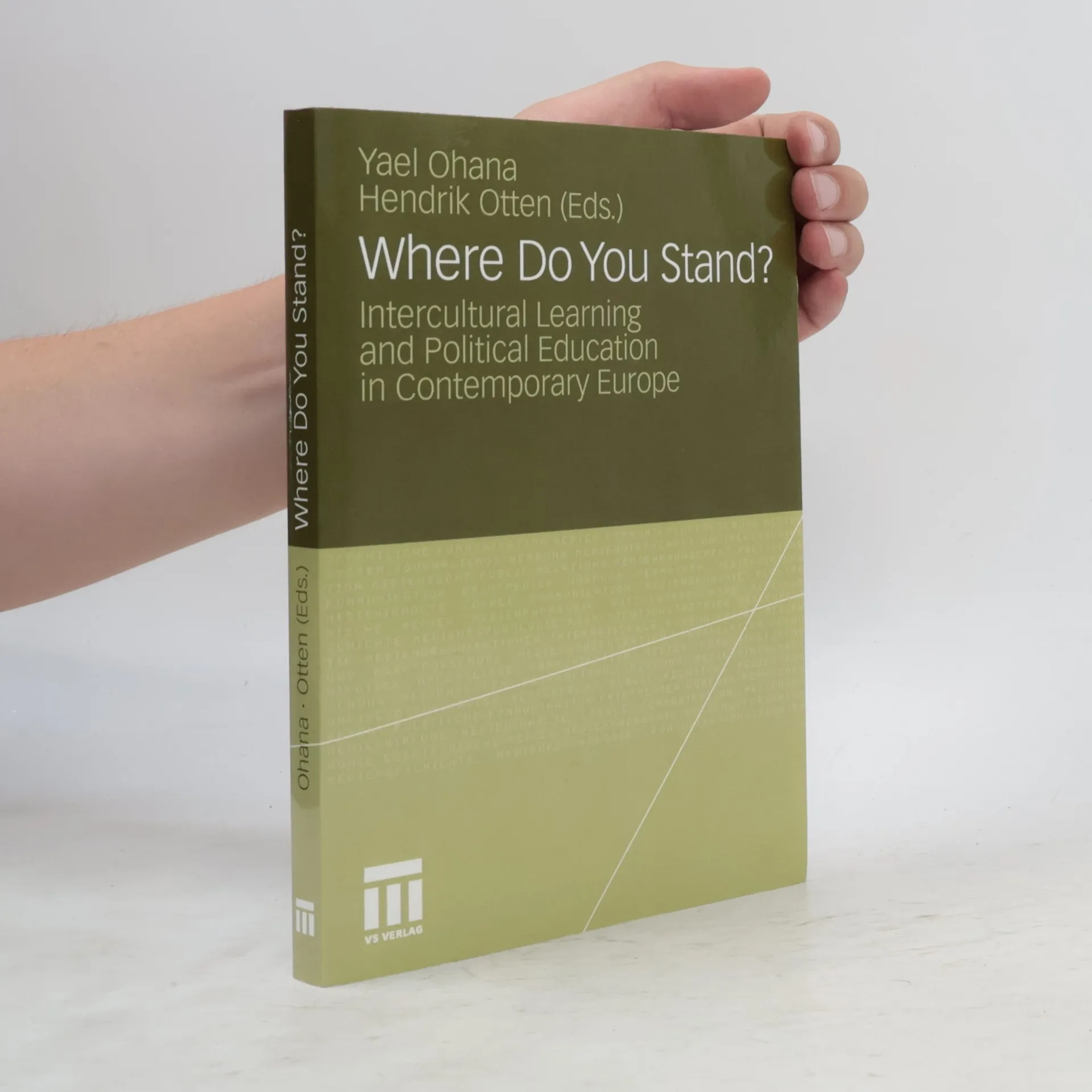
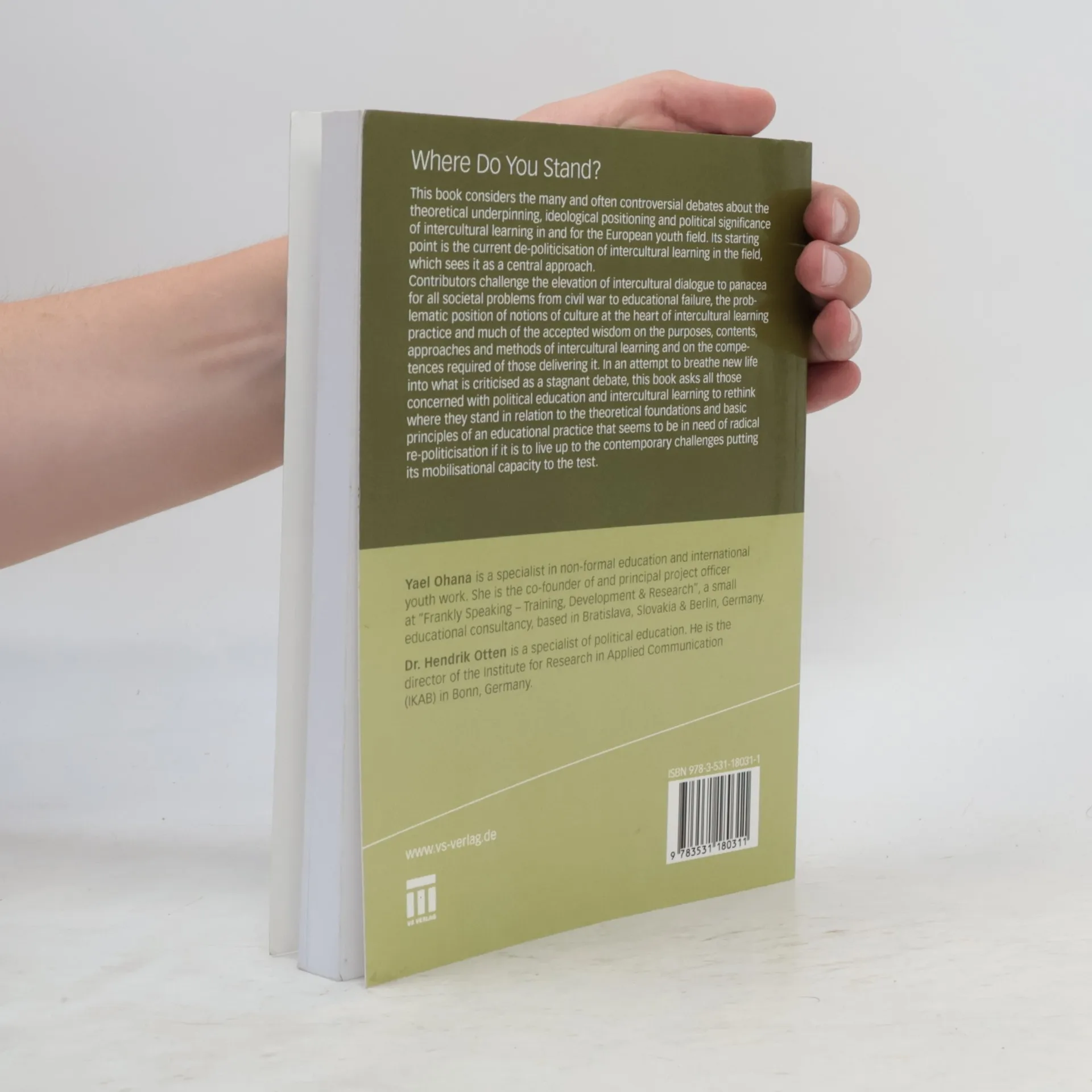
This publication takes up the many and often controversial debates about the nature, content, methods and political significance of intercultural learning in and for the European youth field. Its starting point is the current depoliticisation of intercultural learning in this field, and especially in the programmes of the European Commission and the Directorate of Youth and Sport of the Council of Europe over the last several years. At the same time, the elevation of “intercultural dialogue” to panacea for all societal problems, from civil war to educational failure, is putting the mobilisational value of intercultural learning to the test.
Compra de libros
Where do you stand?, Yael Ohana
- Idioma

- Publicado en
- 2011
- Encuadernación
- (Tapa blanda),
- Estado del libro
- Bueno
- Precio
- 14,49 €
Métodos de pago
Nadie lo ha calificado todavía.
- Título
- Where do you stand?
- Subtítulo
- Intercultural Learning and Political Education in Contemporary Europe
- Idioma
- Inglés
- Autores
- Yael Ohana
- Editorial
- VS-Verl.
- Publicado en
- 2011
- Formato
- Tapa blanda
- Páginas
- 276
- ISBN10
- 3531180312
- ISBN13
- 9783531180311
- Serie
- Categorías
- Etiquetas
- Otros libros de texto, Política, Educación, Europa, Lingüística, Teorías Políticas, Ética, Medios y comunicación mediática, Historia del siglo XX, Europa Occidental, Derechos Humanos, Educación Multicultural
- Descripción
- This publication takes up the many and often controversial debates about the nature, content, methods and political significance of intercultural learning in and for the European youth field. Its starting point is the current depoliticisation of intercultural learning in this field, and especially in the programmes of the European Commission and the Directorate of Youth and Sport of the Council of Europe over the last several years. At the same time, the elevation of “intercultural dialogue” to panacea for all societal problems, from civil war to educational failure, is putting the mobilisational value of intercultural learning to the test.