

Mazurka - Urtext
Autores
Más información sobre el libro
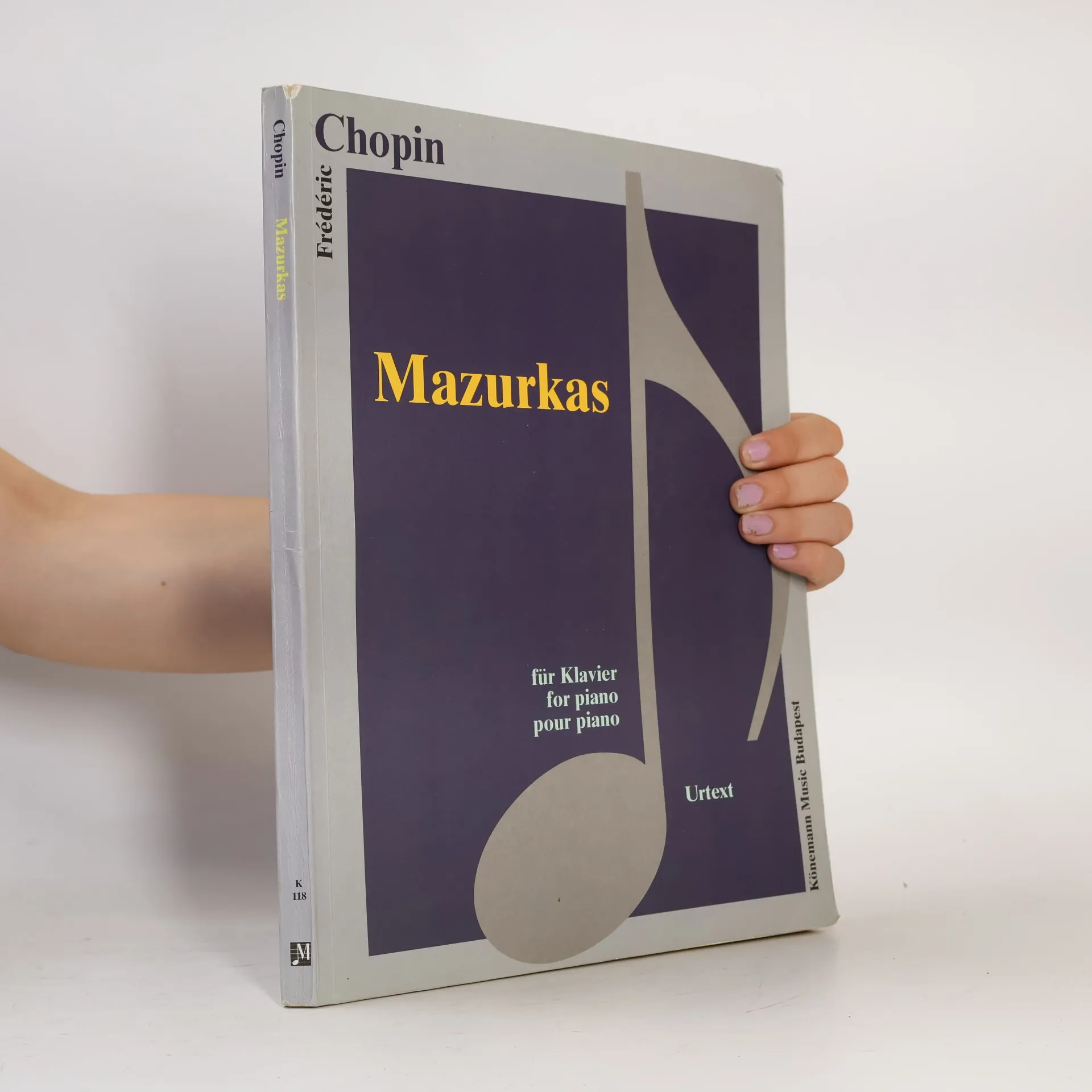
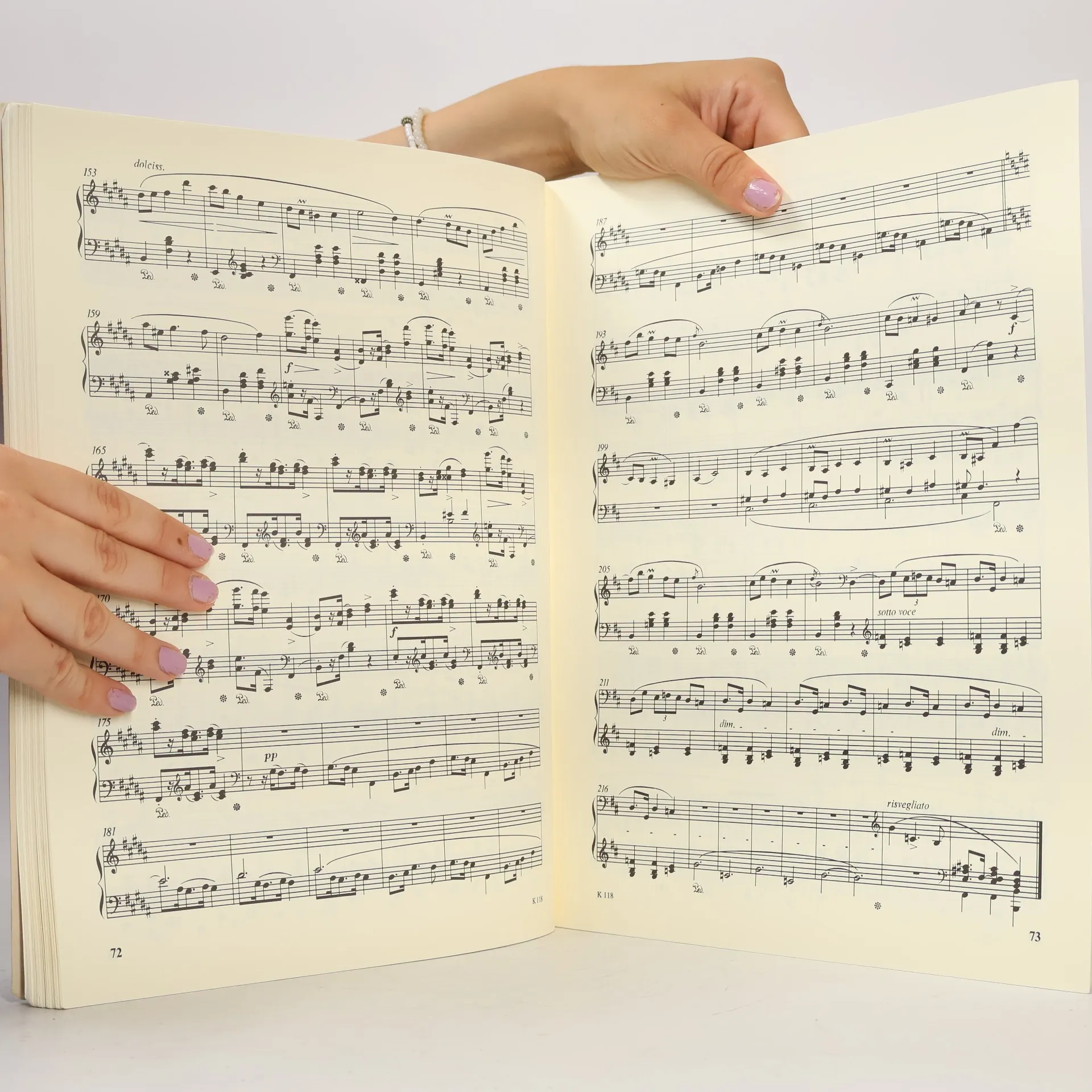
The aim of this Urtext edition is to present as far as is possible the text and notation that reflects most completely the original intentions of the composer, drawing upon the most important sources. Chopin's original manuscripts, the French and German first editions, and the surviving contemporary handwritten copies have been consulted. Editorial additions in the music have been restricted only to those exceptional cases where they are obviously necessary. Chopin's fingerings have been preserved with no others added in the awareness that some of them, arising from his unusual piano technique, on occasion very strange to the modern performer. The same applies to pedal markings, which only approximate Chopin's performance and must be interpreted by the performer for today's instruments. A section of notes explains some interpretation remarks with regard to early manuscripts, and discrepancies between sources.
Compra de libros
Mazurka - Urtext, Frederic Chopin
- Idioma

- Publicado en
- 1996
- Encuadernación
- (Tapa blanda)
Métodos de pago
Nadie lo ha calificado todavía.
- Título
- Mazurka - Urtext
- Idioma
- Inglés
- Autores
- Frederic Chopin
- Editorial
- Könemann
- Publicado en
- 1996
- Formato
- Tapa blanda
- Páginas
- 160
- ISBN10
- 963830331X
- ISBN13
- 9789638303318
- Serie
- Categorías
- Descripción
- The aim of this Urtext edition is to present as far as is possible the text and notation that reflects most completely the original intentions of the composer, drawing upon the most important sources. Chopin's original manuscripts, the French and German first editions, and the surviving contemporary handwritten copies have been consulted. Editorial additions in the music have been restricted only to those exceptional cases where they are obviously necessary. Chopin's fingerings have been preserved with no others added in the awareness that some of them, arising from his unusual piano technique, on occasion very strange to the modern performer. The same applies to pedal markings, which only approximate Chopin's performance and must be interpreted by the performer for today's instruments. A section of notes explains some interpretation remarks with regard to early manuscripts, and discrepancies between sources.