

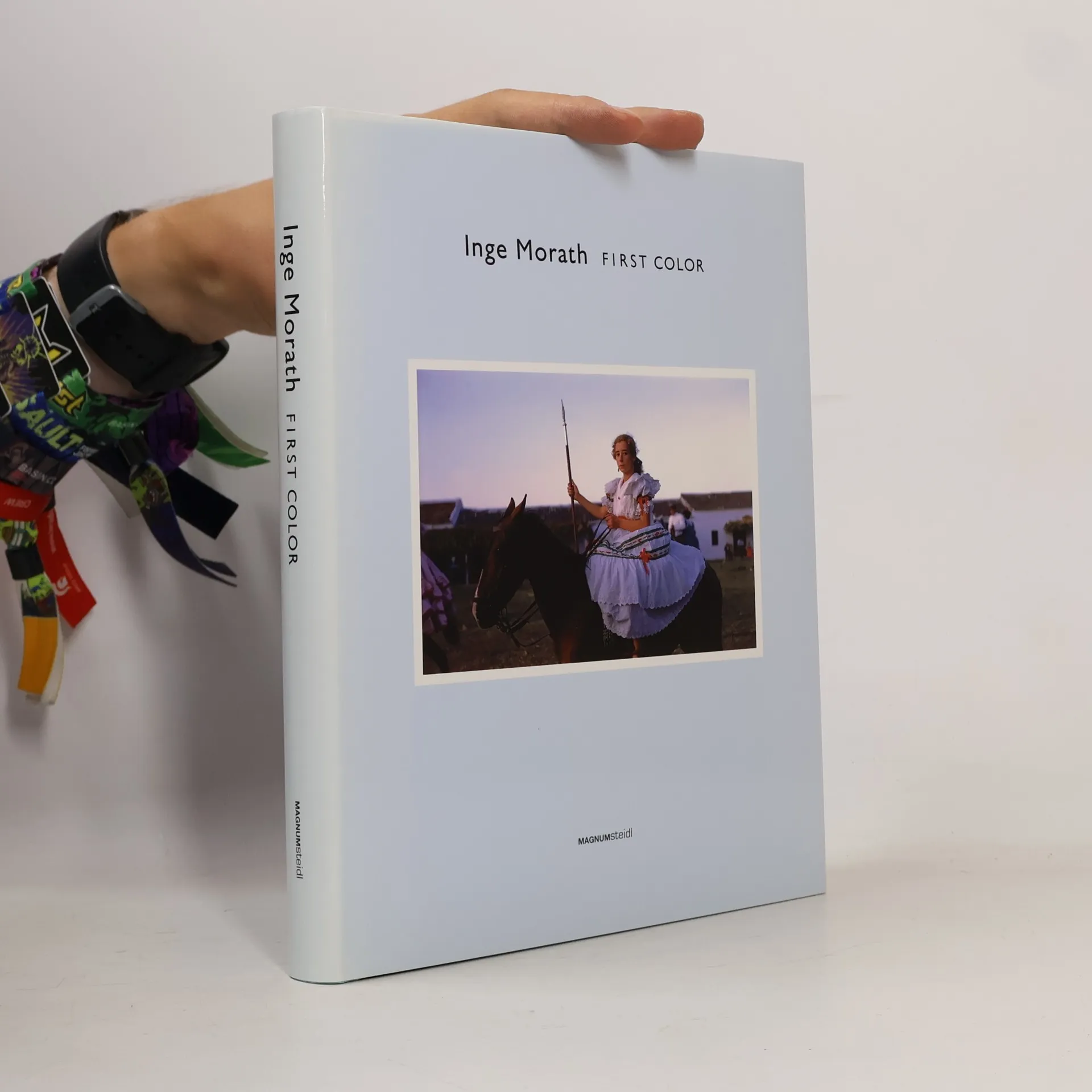

First Color
Autores
Más información sobre el libro
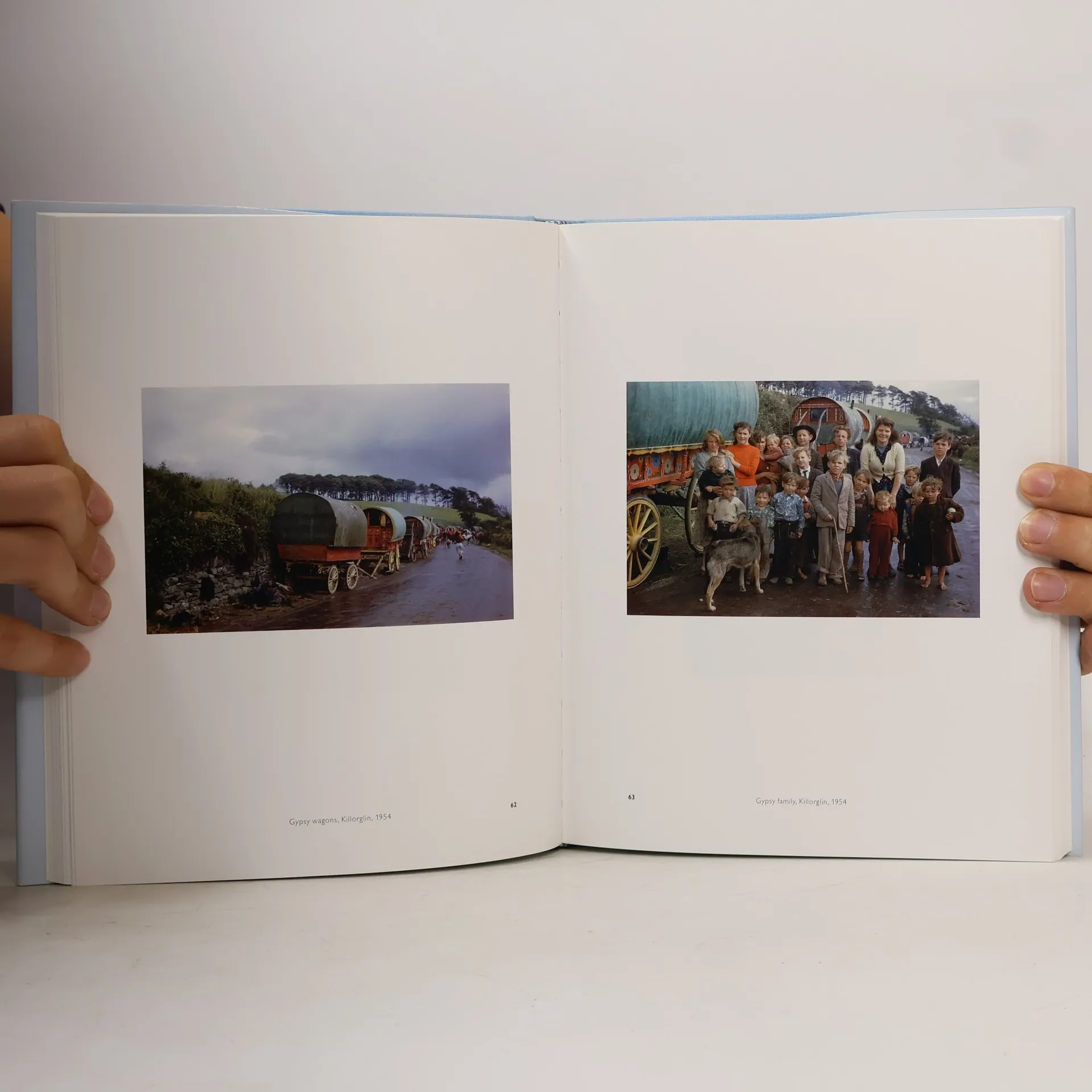
Like many of her colleagues, Inge Morath carried one camera loaded with black-and-white film and another loaded with color. Possibly influenced by the legendary hostility of Henri Cartier-Bresson (her mentor) to color photography, Morath's own ambivalence is reflected in the contradiction between the sheer volume of color film that she exposed during her lifetime and its complete absence from her exhibited and published works. Following Morath's death in 2002, more than 10,000 hitherto unknown and uncataloged color originals were recovered from storage in Paris, where Morath had been based from 1954 until 1962. As this volume demonstrates, Morath's color vision matured around 1958, while documenting the Danube River; by the late 1960s and during the 1970s, when she worked extensively in Russia and China, Morath's color production would at times exceed her work in black and white, and several projects done late in her life were made exclusively in color.
Compra de libros
First Color, Inge Morath, John P. Jacob
- Idioma

- Publicado en
- 2009
- Encuadernación
- (Tapa dura)
Métodos de pago
Nadie lo ha calificado todavía.
- Título
- First Color
- Idioma
- Inglés
- Autores
- Inge Morath, John P. Jacob
- Editorial
- Steidl
- Publicado en
- 2009
- Formato
- Tapa dura
- Páginas
- 203
- ISBN10
- 3865219306
- ISBN13
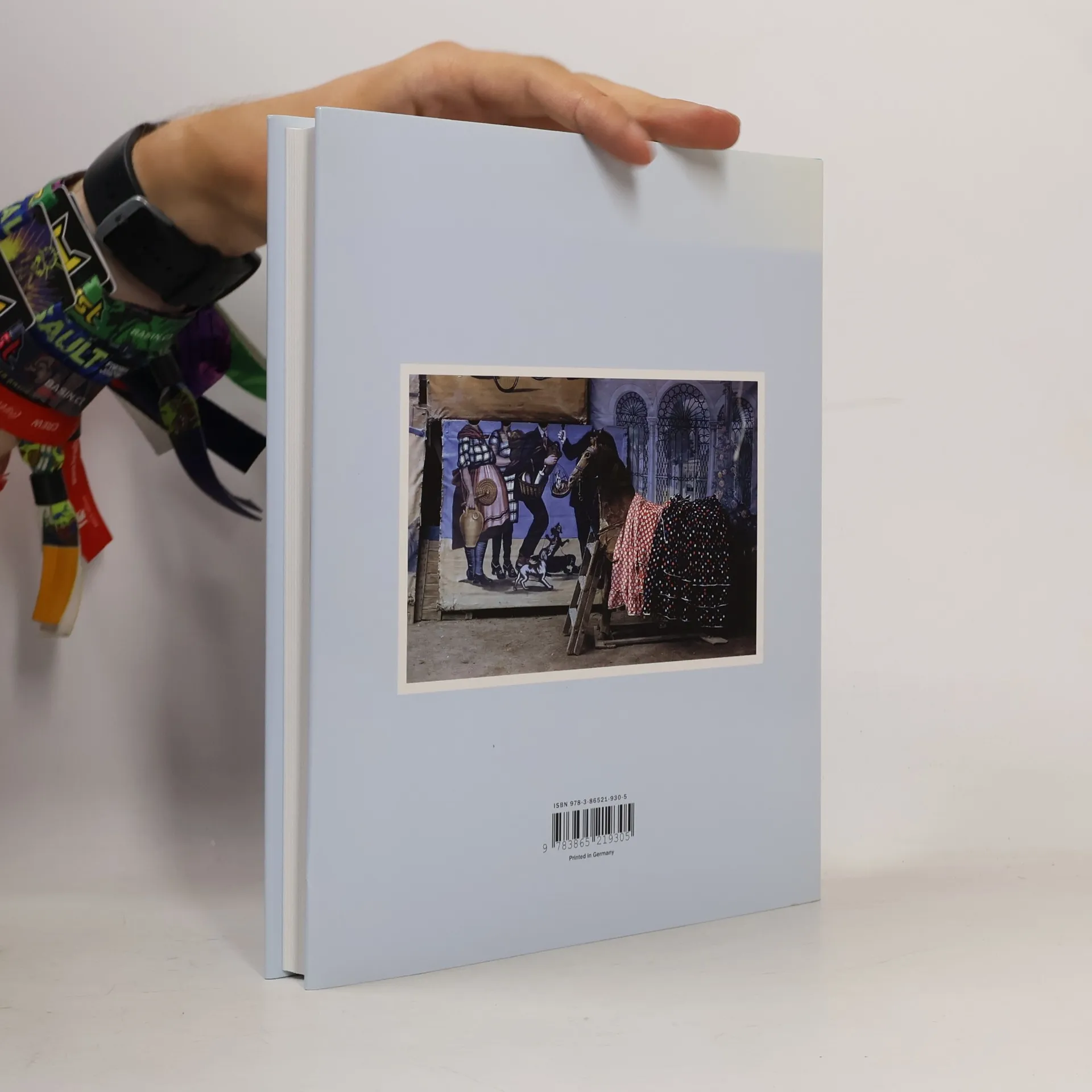
- 9783865219305
- Serie
- Categorías
- Etiquetas
- Descripción
- Like many of her colleagues, Inge Morath carried one camera loaded with black-and-white film and another loaded with color. Possibly influenced by the legendary hostility of Henri Cartier-Bresson (her mentor) to color photography, Morath's own ambivalence is reflected in the contradiction between the sheer volume of color film that she exposed during her lifetime and its complete absence from her exhibited and published works. Following Morath's death in 2002, more than 10,000 hitherto unknown and uncataloged color originals were recovered from storage in Paris, where Morath had been based from 1954 until 1962. As this volume demonstrates, Morath's color vision matured around 1958, while documenting the Danube River; by the late 1960s and during the 1970s, when she worked extensively in Russia and China, Morath's color production would at times exceed her work in black and white, and several projects done late in her life were made exclusively in color.