

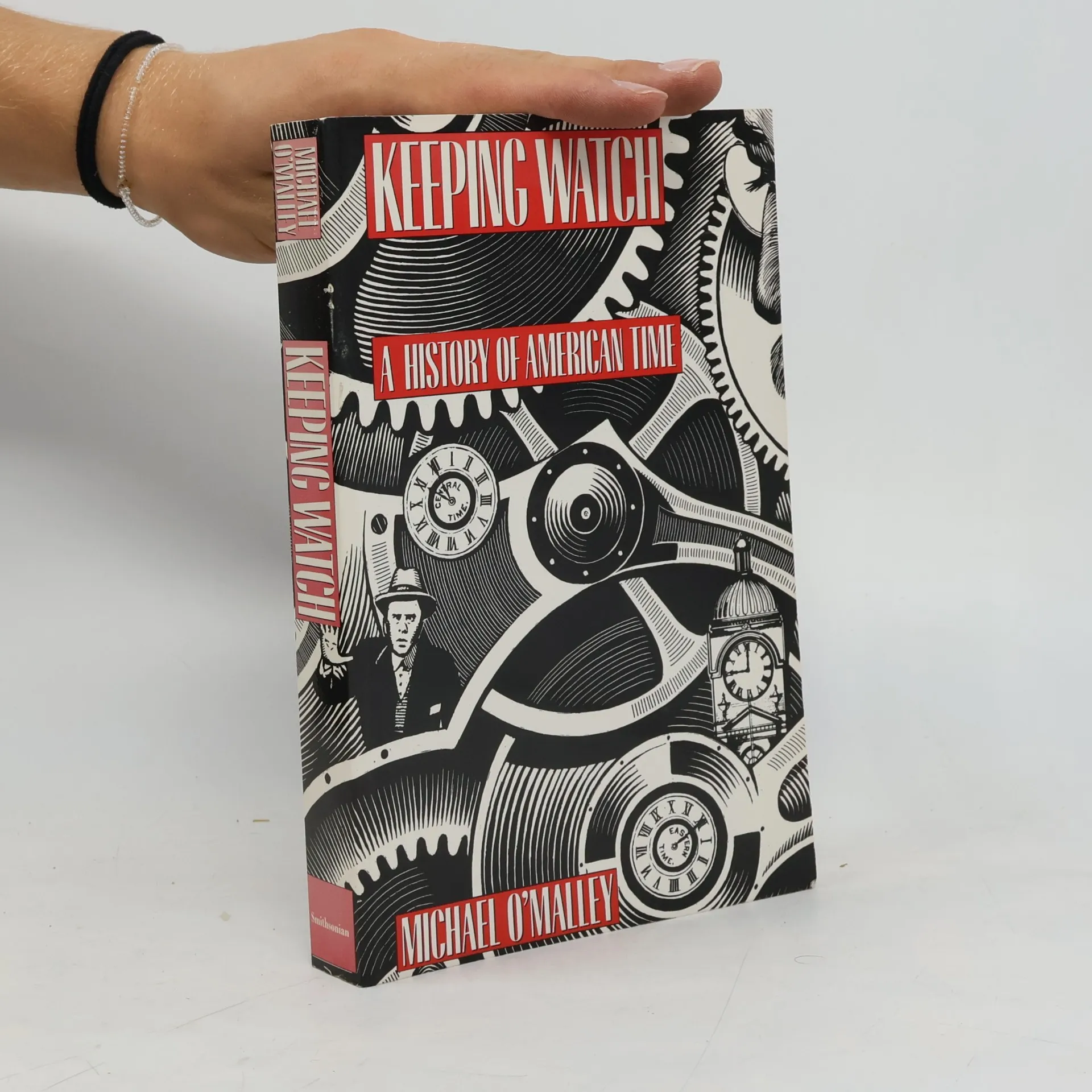
Keeping Watch - A History of American Time
a history of American time
Autores
Parámetros
- 384 páginas
- 14 horas de lectura
Más información sobre el libro
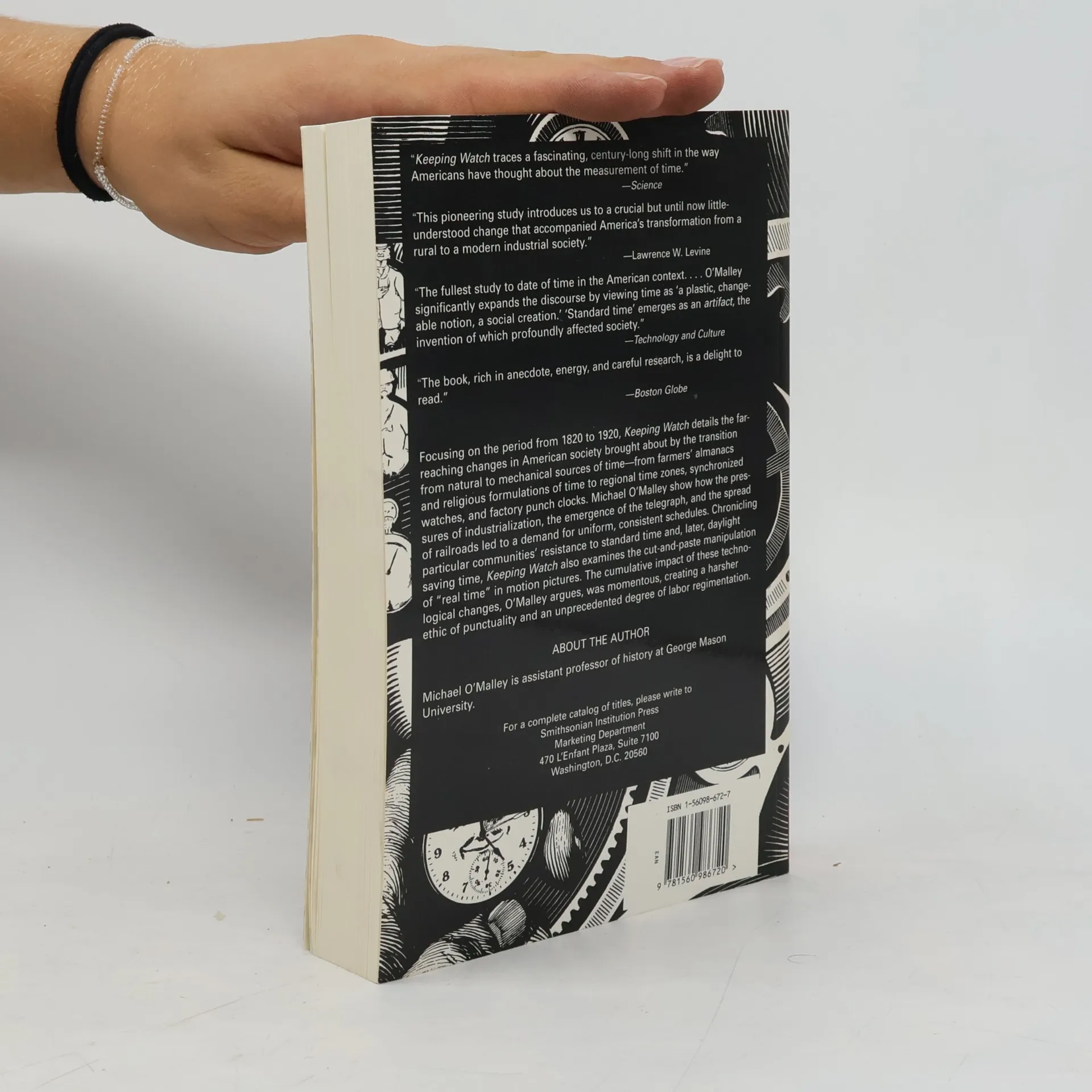
Focusing on the period from 1820 to 1920, Keeping Watch details the far-reaching changes in American society brought about by the transition from natural to mechanical sources of time - from farmers' almanacs and religious formulations of time to regional time zones, synchronized watches, and factory punch clocks. Michael O'Malley shows how the pressures of industrialization, the emergence of the telegraph, and the spread of railroads led to a demand for uniform, consistent schedules. Chronicling particular communities' resistance to standard time and, later, daylight saving time, Keeping Watch also examines the cut-and-paste manipulation of "real time" in motion pictures. The cumulative impact of these technological changes, O'Malley argues, was momentous, creating a harsher ethic of punctuality and an unprecedented degree of labor regimentation.
Compra de libros
Keeping Watch - A History of American Time, Michael O'Malley
- Idioma

- Publicado en
- 1996
- Encuadernación
- (Tapa blanda)
Métodos de pago
Nadie lo ha calificado todavía.
- Título
- Keeping Watch - A History of American Time
- Subtítulo
- a history of American time
- Idioma
- Inglés
- Autores
- Michael O'Malley
- Editorial
- Smithsonian Institution Press
- Publicado en
- 1996
- Formato
- Tapa blanda
- Páginas
- 384
- ISBN10
- 1560986727
- ISBN13
- 9781560986720
- Serie
- Etiquetas
- Tema histórico, EE.UU., Cultura y Sociedad, Tiempo, América del Norte
- Descripción
- Focusing on the period from 1820 to 1920, Keeping Watch details the far-reaching changes in American society brought about by the transition from natural to mechanical sources of time - from farmers' almanacs and religious formulations of time to regional time zones, synchronized watches, and factory punch clocks. Michael O'Malley shows how the pressures of industrialization, the emergence of the telegraph, and the spread of railroads led to a demand for uniform, consistent schedules. Chronicling particular communities' resistance to standard time and, later, daylight saving time, Keeping Watch also examines the cut-and-paste manipulation of "real time" in motion pictures. The cumulative impact of these technological changes, O'Malley argues, was momentous, creating a harsher ethic of punctuality and an unprecedented degree of labor regimentation.