

Parámetros
- 343 páginas
- 13 horas de lectura
Más información sobre el libro
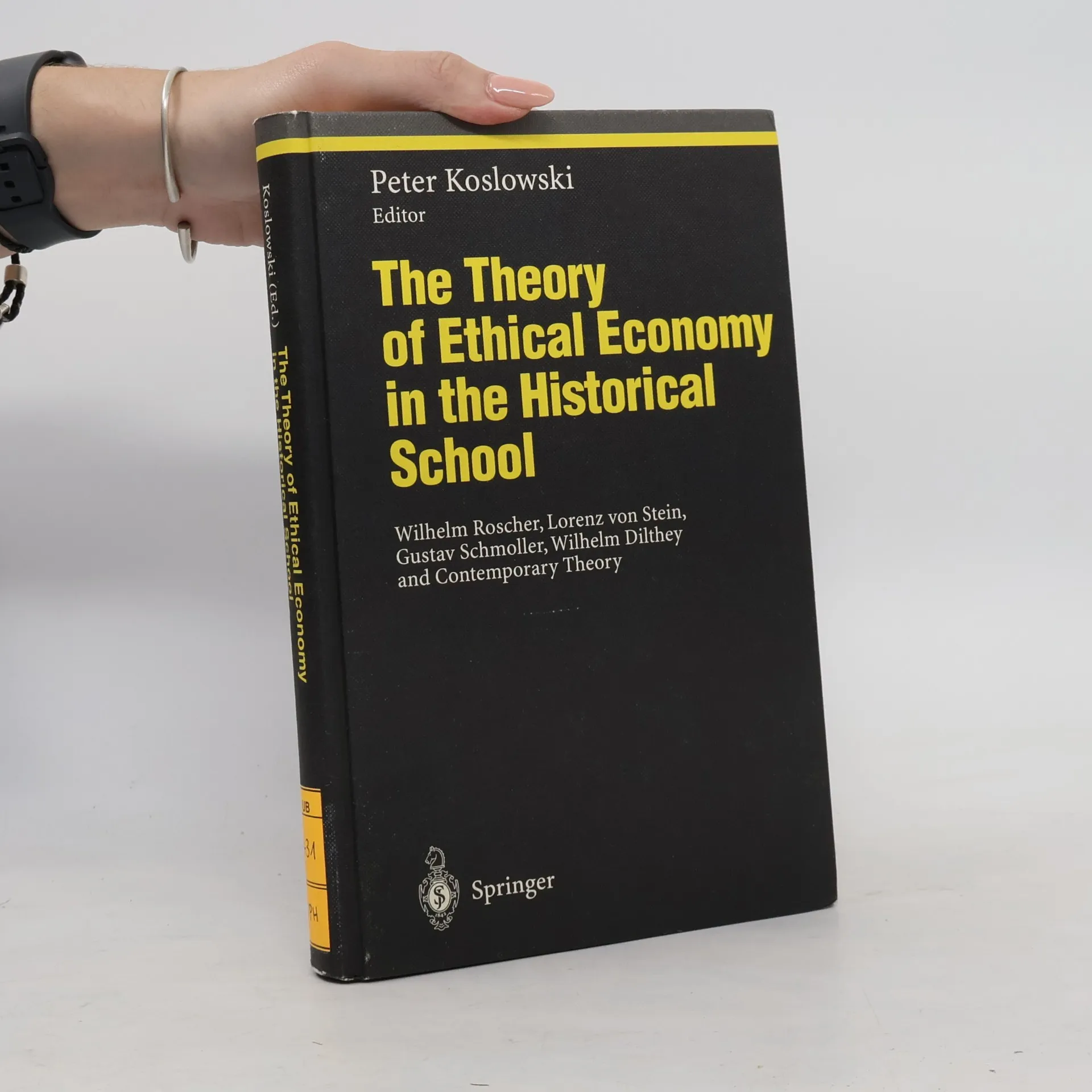
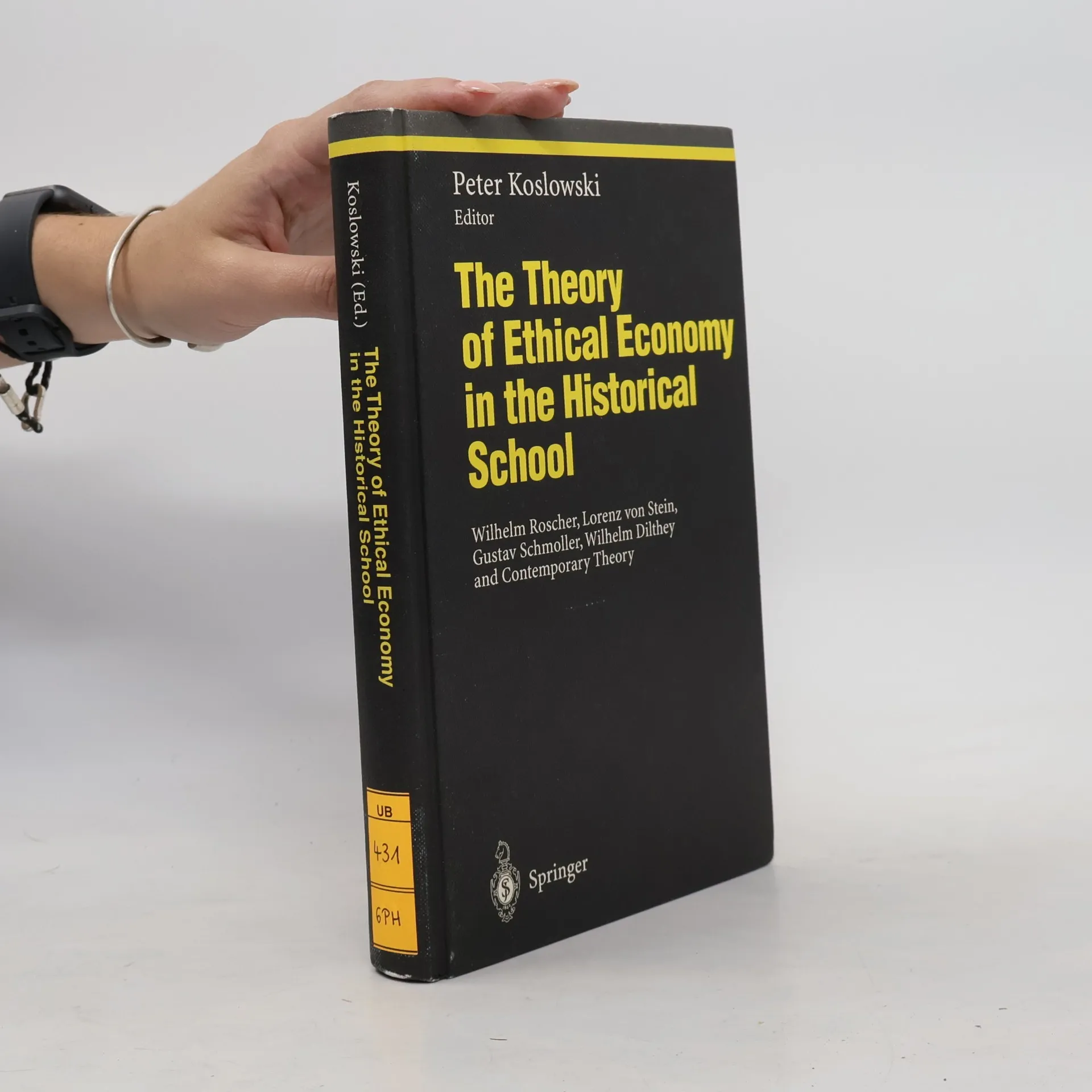
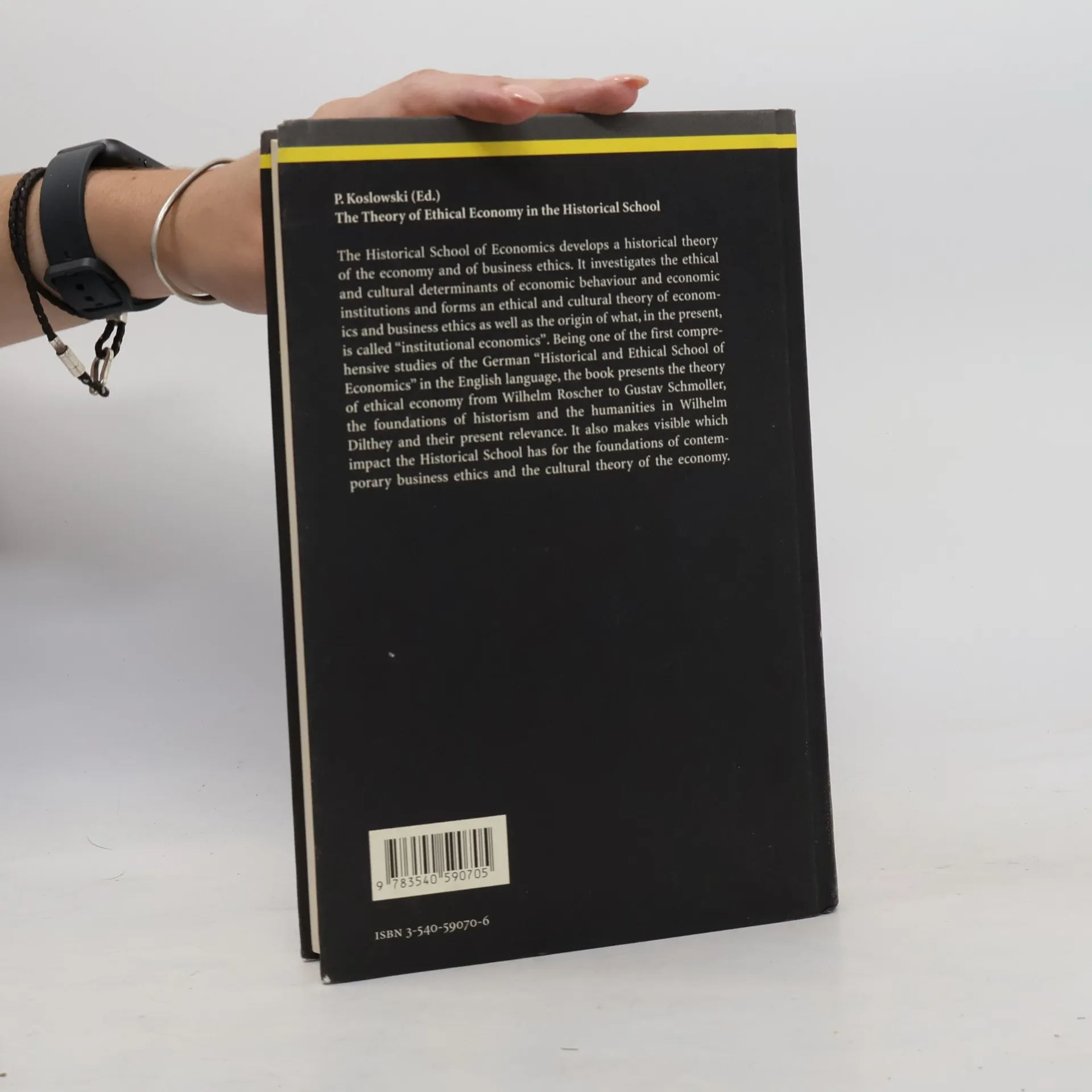
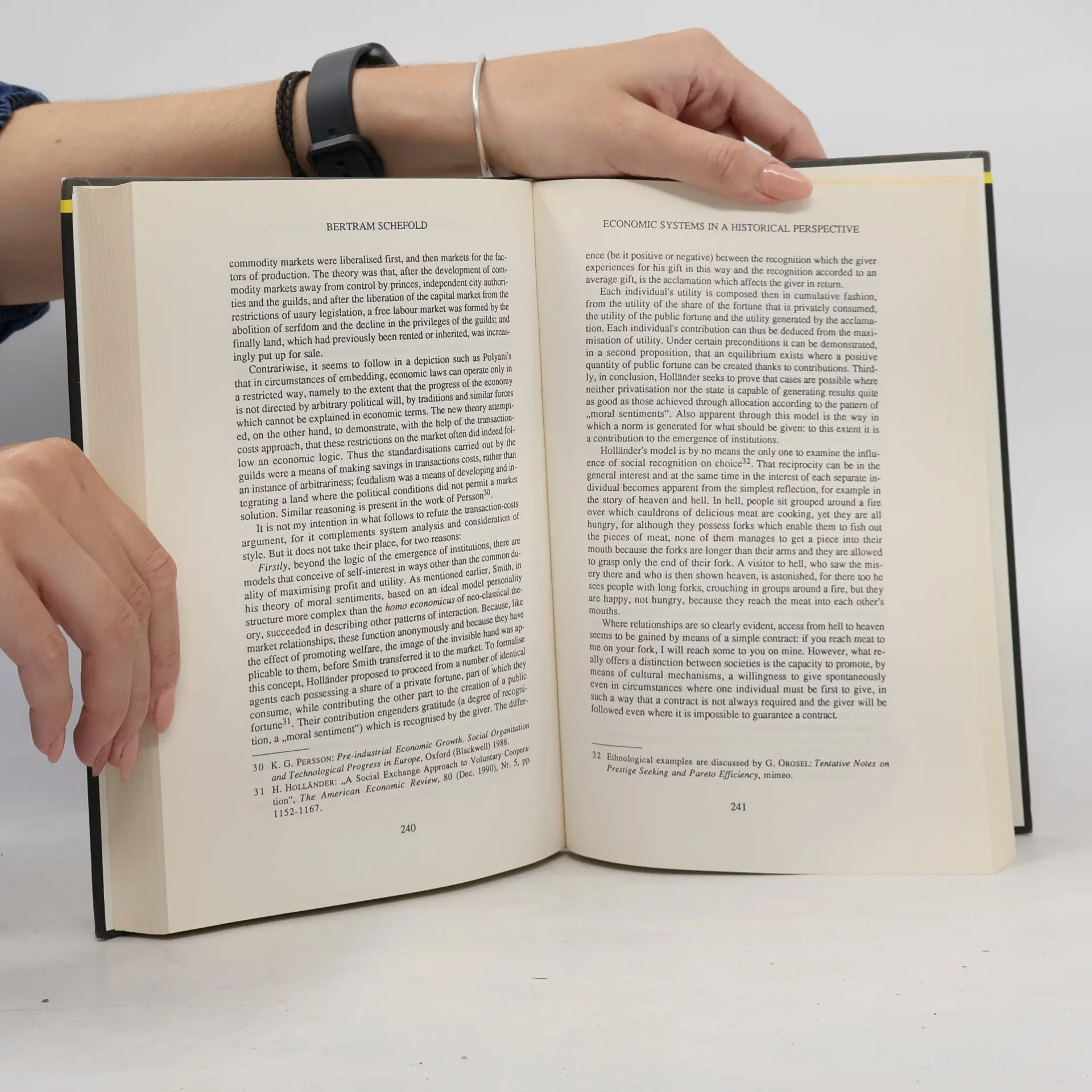
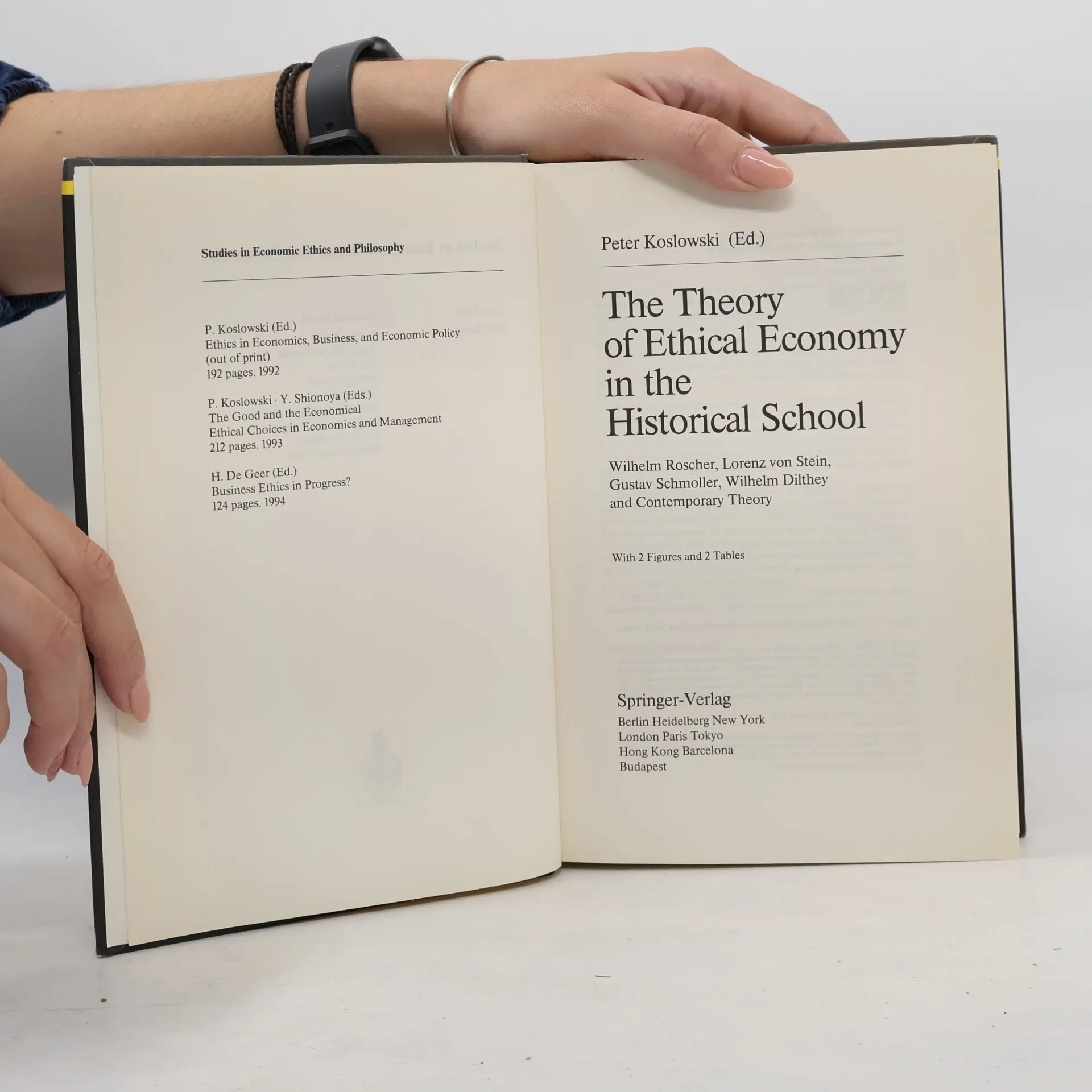
This work explores the intersection of economics and ethics through the lens of the Historical School. It begins with an introduction to the Older Historical School, examining W. Roscher’s historical method and the concept of "Personality" in Lorenz von Stein’s institutional theory of a "Labour-Society." The discussion then shifts to Gustav Schmoller's contributions, assessing his methodological approach and the integration of ethics within the historical methods of both himself and the Older Historical School. The text further delves into Wilhelm Dilthey’s foundations in the historical and cultural sciences, particularly his "Verstehen" approach, which connects sociology, philosophy, and ethics. Cross-analyses of historism in Italy and Japan highlight the interplay between historism and liberalism in these contexts. Contemporary thought is examined through systematic questions regarding historism and social science, touching on institutional economics, management science, and economic justice as discussed by Schmoller. The work also investigates theoretical comparisons of economic systems from a historical perspective, addressing topics such as Confucian culture’s influence on economic development in East Asia, communitarianism, pragmatism, and the implications of postmodernism as a form of neohistorism. Finally, it reflects on the German tradition of social and economic thought, distinguishing between enduring and obsolete
Compra de libros
The Theory of Ethical Economy in the Historical School, Peter Koslowski, A.M. Hauk
- Idioma

- Publicado en
- 1995
- Encuadernación
- (Tapa dura),
- Estado del libro
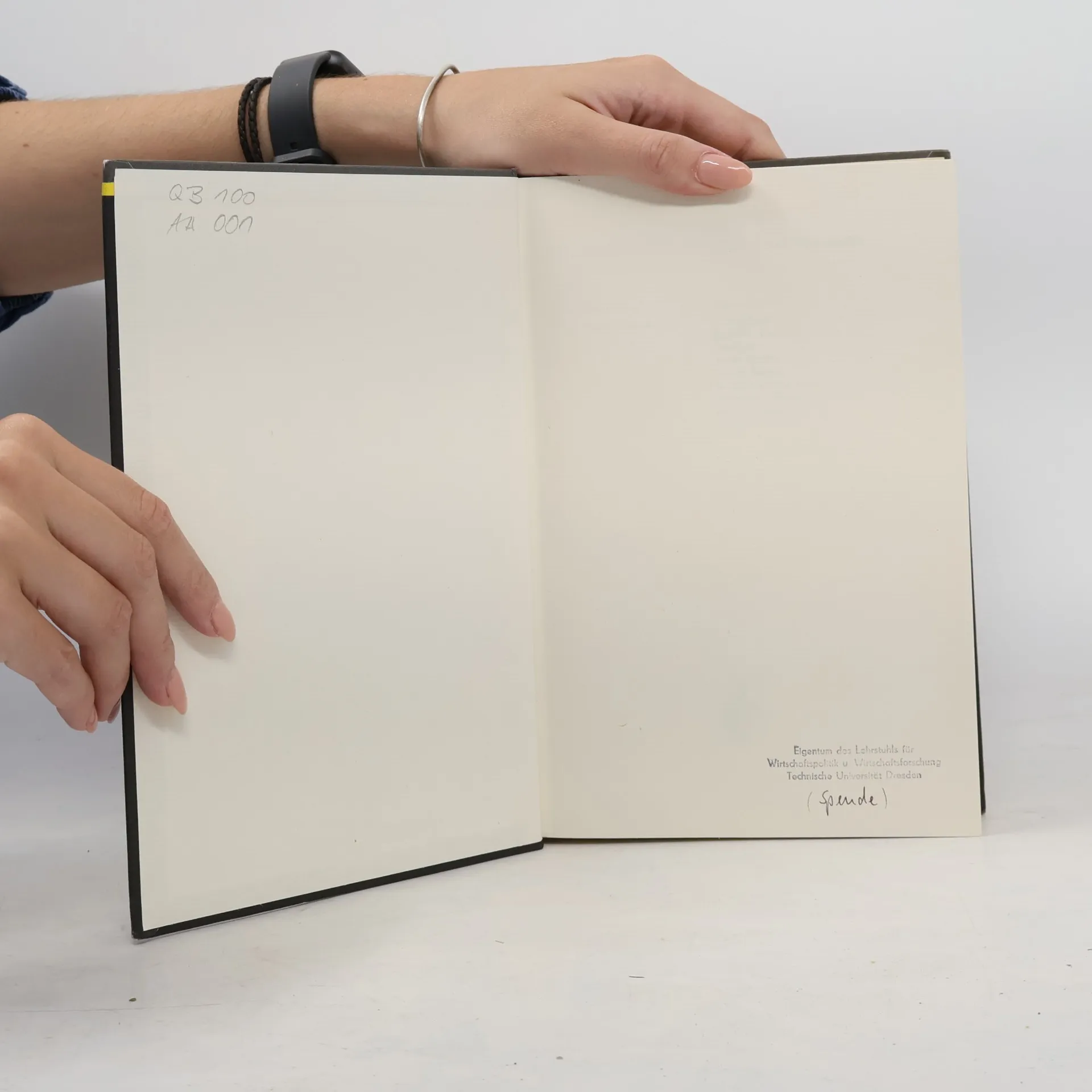
- Dañado
- Precio
- 37,08 €
Métodos de pago
Nadie lo ha calificado todavía.
- Título
- The Theory of Ethical Economy in the Historical School
- Idioma
- Inglés
- Autores
- Peter Koslowski, A.M. Hauk
- Editorial
- Springer
- Publicado en
- 1995
- Formato
- Tapa dura
- Páginas
- 343
- ISBN10
- 3540590706
- ISBN13
- 9783540590705
- Serie
- Categorías
- Etiquetas
- Tema histórico, Comercio, Libros de texto universitarios, Teorías científicas, Ética, Europa Occidental, Historia social, Modernismo, Ciencias humanas, Historia Económica
- Descripción
- This work explores the intersection of economics and ethics through the lens of the Historical School. It begins with an introduction to the Older Historical School, examining W. Roscher’s historical method and the concept of "Personality" in Lorenz von Stein’s institutional theory of a "Labour-Society." The discussion then shifts to Gustav Schmoller's contributions, assessing his methodological approach and the integration of ethics within the historical methods of both himself and the Older Historical School. The text further delves into Wilhelm Dilthey’s foundations in the historical and cultural sciences, particularly his "Verstehen" approach, which connects sociology, philosophy, and ethics. Cross-analyses of historism in Italy and Japan highlight the interplay between historism and liberalism in these contexts. Contemporary thought is examined through systematic questions regarding historism and social science, touching on institutional economics, management science, and economic justice as discussed by Schmoller. The work also investigates theoretical comparisons of economic systems from a historical perspective, addressing topics such as Confucian culture’s influence on economic development in East Asia, communitarianism, pragmatism, and the implications of postmodernism as a form of neohistorism. Finally, it reflects on the German tradition of social and economic thought, distinguishing between enduring and obsolete