

Más información sobre el libro
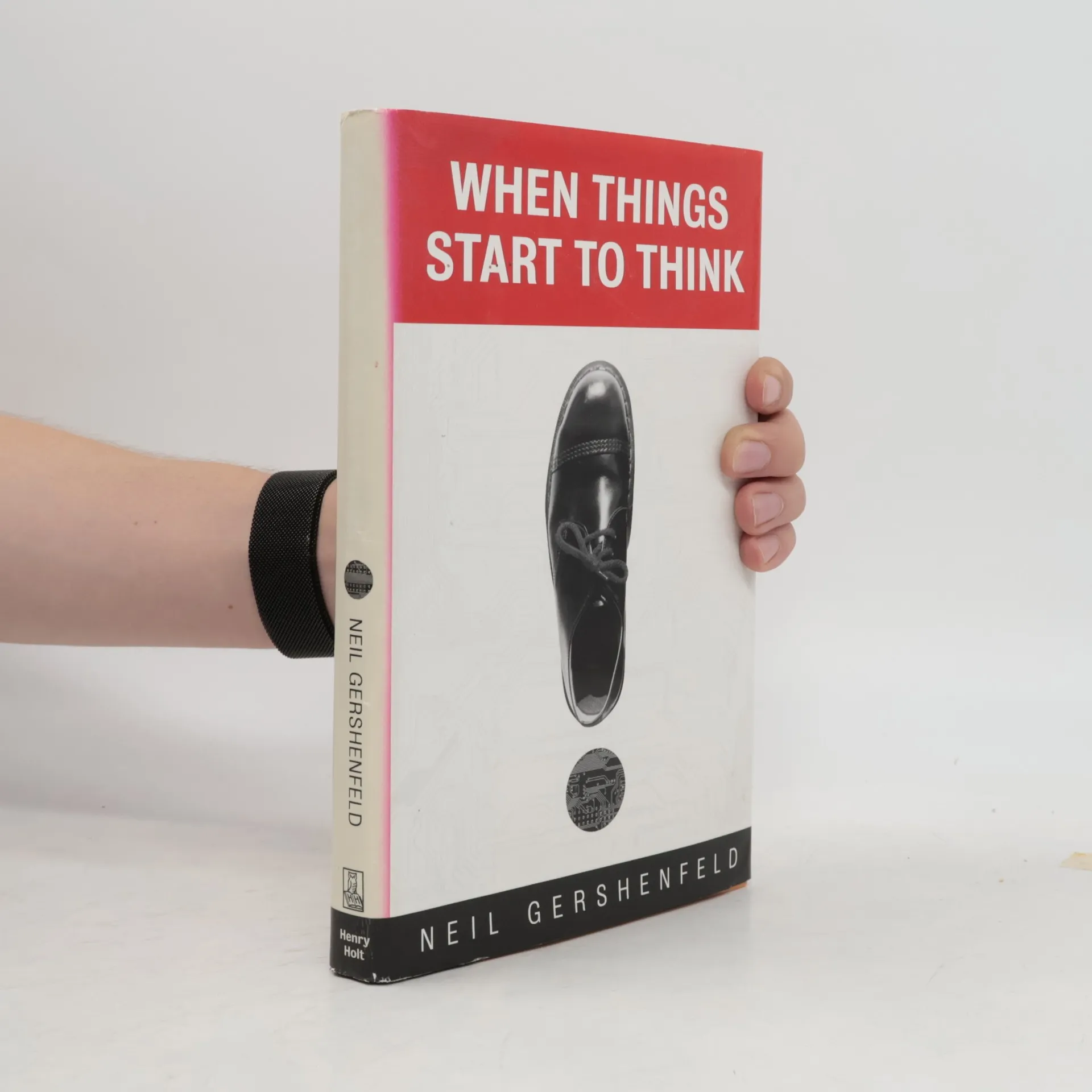
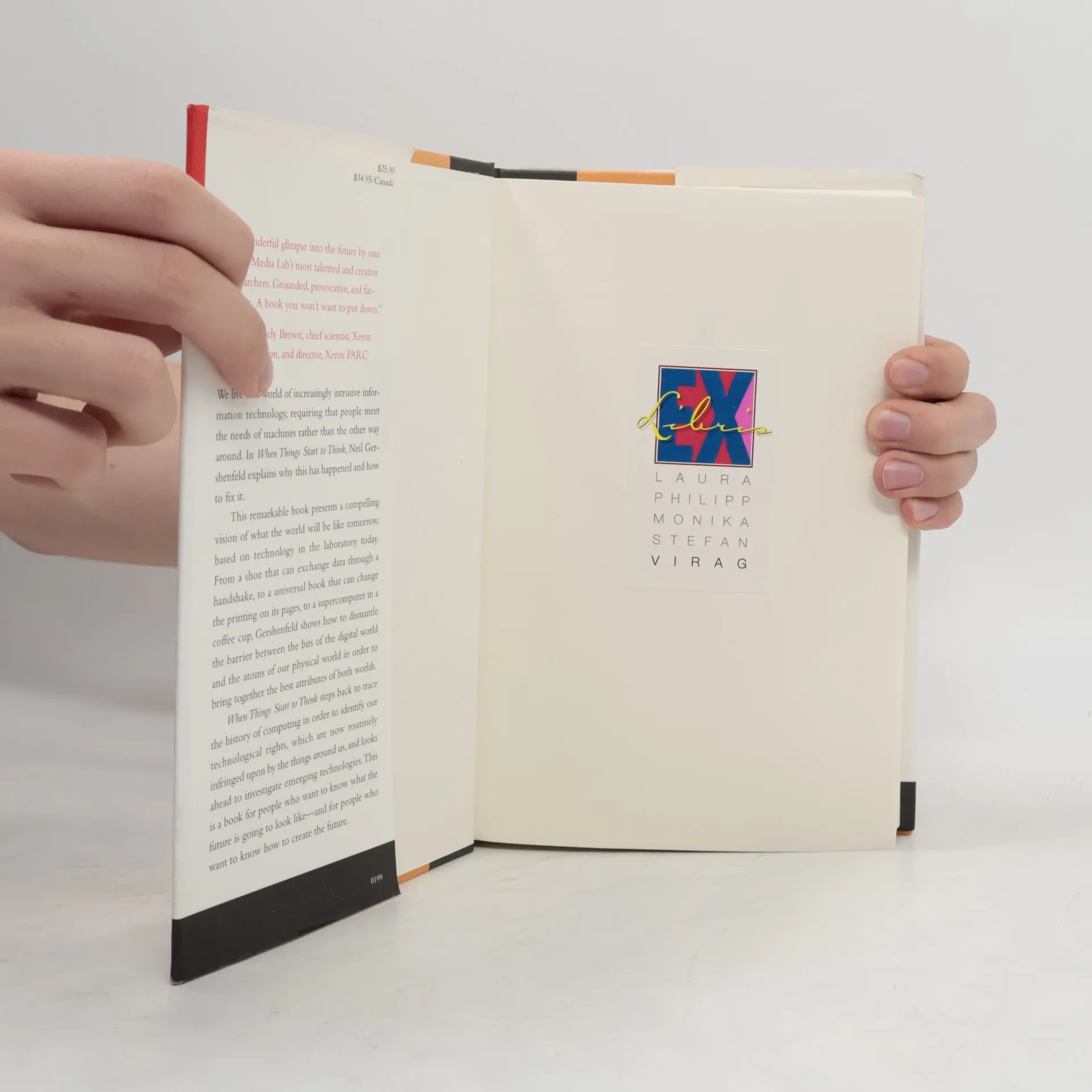
This is a book for people who want to know what the future is going to look like and for people who want to know how to create the future. Gershenfeld offers a glimpse at the brave new post-computerized world, where microchips work for us instead of against us. He argues that we waste the potential of the microchip when we confine it to a box on our desk: the real electronic revolution will come when computers have all but disappeared into the walls around us. Imagine a digital book that looks like a traditional book printed on paper and is pleasant to read in bed but has all the mutability of a screen display. How about a personal fabricator that can organize digitized atoms into anything you want, or a musical keyboard that can be woven into a denim jacket? Gershenfeld tells the story of his Things that Think group at MIT's Media Lab, the group of innovative scientists and researchers dedicated to integrating digital technology into the fabric of our lives.
Compra de libros
When Things Start to Think, Neil A. Gershenfeld
- Idioma

- Publicado en
- 1999
- Encuadernación
- (Tapa dura),
- Estado del libro
- Dañado
- Precio
- 9,07 €
Métodos de pago
Nadie lo ha calificado todavía.
- Título
- When Things Start to Think
- Idioma
- Inglés
- Autores
- Neil A. Gershenfeld
- Editorial
- Henry Holt and Co.
- Publicado en
- 1999
- Formato
- Tapa dura
- Páginas
- 225
- ISBN10
- 0805058745
- ISBN13
- 9780805058741
- Serie
- Etiquetas
- Ciencia, Tecnología
- Descripción
- This is a book for people who want to know what the future is going to look like and for people who want to know how to create the future. Gershenfeld offers a glimpse at the brave new post-computerized world, where microchips work for us instead of against us. He argues that we waste the potential of the microchip when we confine it to a box on our desk: the real electronic revolution will come when computers have all but disappeared into the walls around us. Imagine a digital book that looks like a traditional book printed on paper and is pleasant to read in bed but has all the mutability of a screen display. How about a personal fabricator that can organize digitized atoms into anything you want, or a musical keyboard that can be woven into a denim jacket? Gershenfeld tells the story of his Things that Think group at MIT's Media Lab, the group of innovative scientists and researchers dedicated to integrating digital technology into the fabric of our lives.