



Más información sobre el libro
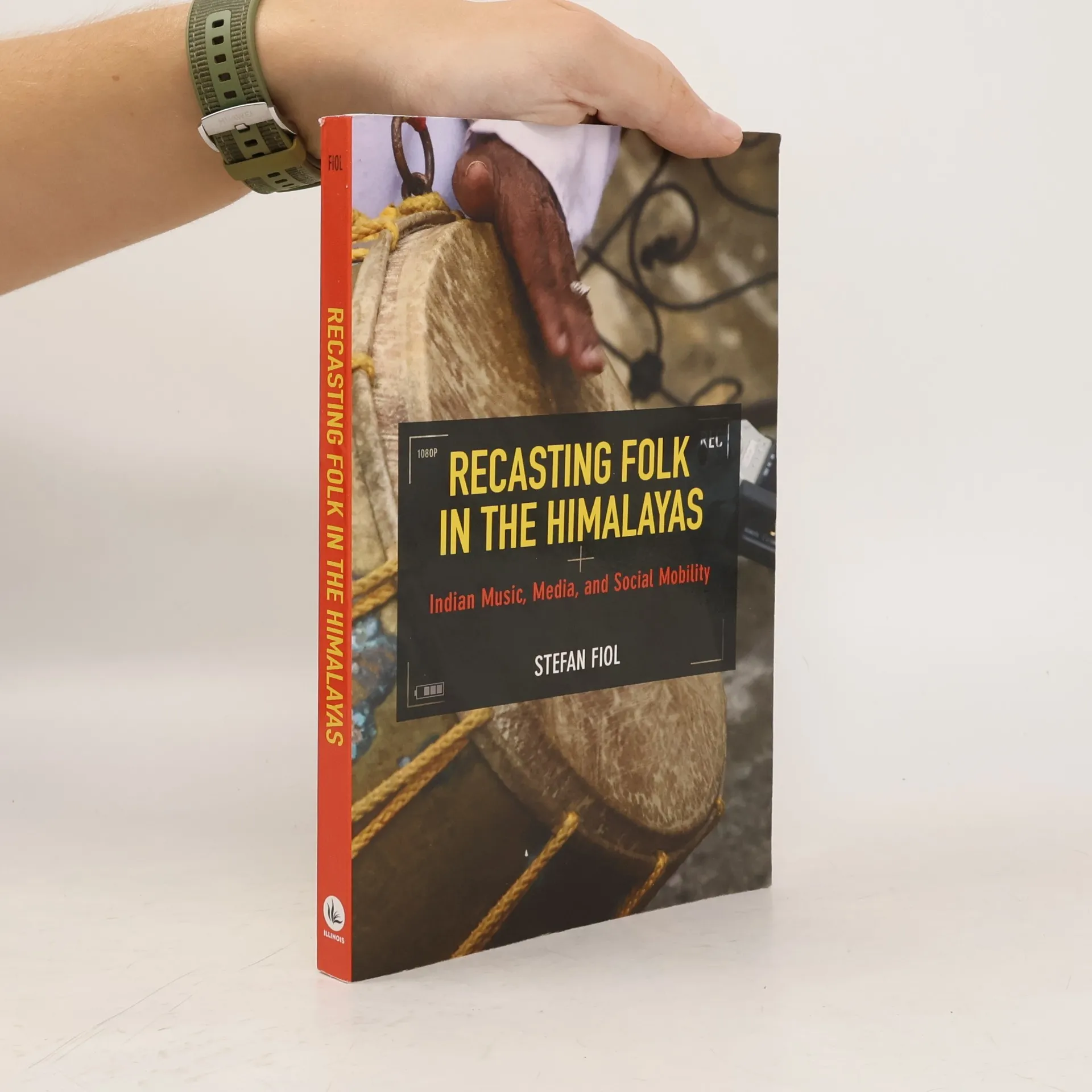
Colonialist, nationalist, and regionalist ideologies have profoundly influenced folk music and related musical practices among the Garhwali and Kumaoni of Uttarakhand. Stefan Fiol blends historical and ethnographic approaches to unlock these influences and explore a paradox: how the œfolk designation can alternately identify a universal stage of humanity, or denote alterity and subordination. Fiol explores the lives and work of Gahrwali artists who produce folk music. These musicians create art as both a discursive idea and as a set of expressive practices across strikingly different historical and cultural settings. Juxtaposing performance contexts in Himalayan villages with Delhi recording studios, Fiol shows how the practices have emerged within and between sites of contrasting values and expectations. Throughout, Fiol presents the varying perspectives and complex lives of the upper-caste, upper-class, male performers spearheading the processes of folklorization. But he also charts their resonance with, and collision against, the perspectives of the women and hereditary musicians most affected by the processes. Expertly observed, Recasting Folk in the Himalayas offers an engaging immersion in a little-studied musical milieu.
Compra de libros
Folklore Studies in Multicultural World: Recasting Folk in the Himalayas, Stefan Fiol
- Idioma

- Publicado en
- 2017
- Encuadernación
- (Tapa blanda),
- Estado del libro
- Bueno
- Precio
- 9,49 €
Métodos de pago
Nadie lo ha calificado todavía.
- Título
- Folklore Studies in Multicultural World: Recasting Folk in the Himalayas
- Idioma
- Inglés
- Autores
- Stefan Fiol
- Editorial
- University of Illinois Press
- Publicado en
- 2017
- Formato
- Tapa blanda
- Páginas
- 248
- ISBN10
- 0252082753
- ISBN13
- 9780252082757
- Serie
- Etiquetas
- Temática musical, Libros de texto universitarios, India, Teorías científicas, Música Popular
- Descripción
- Colonialist, nationalist, and regionalist ideologies have profoundly influenced folk music and related musical practices among the Garhwali and Kumaoni of Uttarakhand. Stefan Fiol blends historical and ethnographic approaches to unlock these influences and explore a paradox: how the œfolk designation can alternately identify a universal stage of humanity, or denote alterity and subordination. Fiol explores the lives and work of Gahrwali artists who produce folk music. These musicians create art as both a discursive idea and as a set of expressive practices across strikingly different historical and cultural settings. Juxtaposing performance contexts in Himalayan villages with Delhi recording studios, Fiol shows how the practices have emerged within and between sites of contrasting values and expectations. Throughout, Fiol presents the varying perspectives and complex lives of the upper-caste, upper-class, male performers spearheading the processes of folklorization. But he also charts their resonance with, and collision against, the perspectives of the women and hereditary musicians most affected by the processes. Expertly observed, Recasting Folk in the Himalayas offers an engaging immersion in a little-studied musical milieu.